
Last updated November 2, 2026
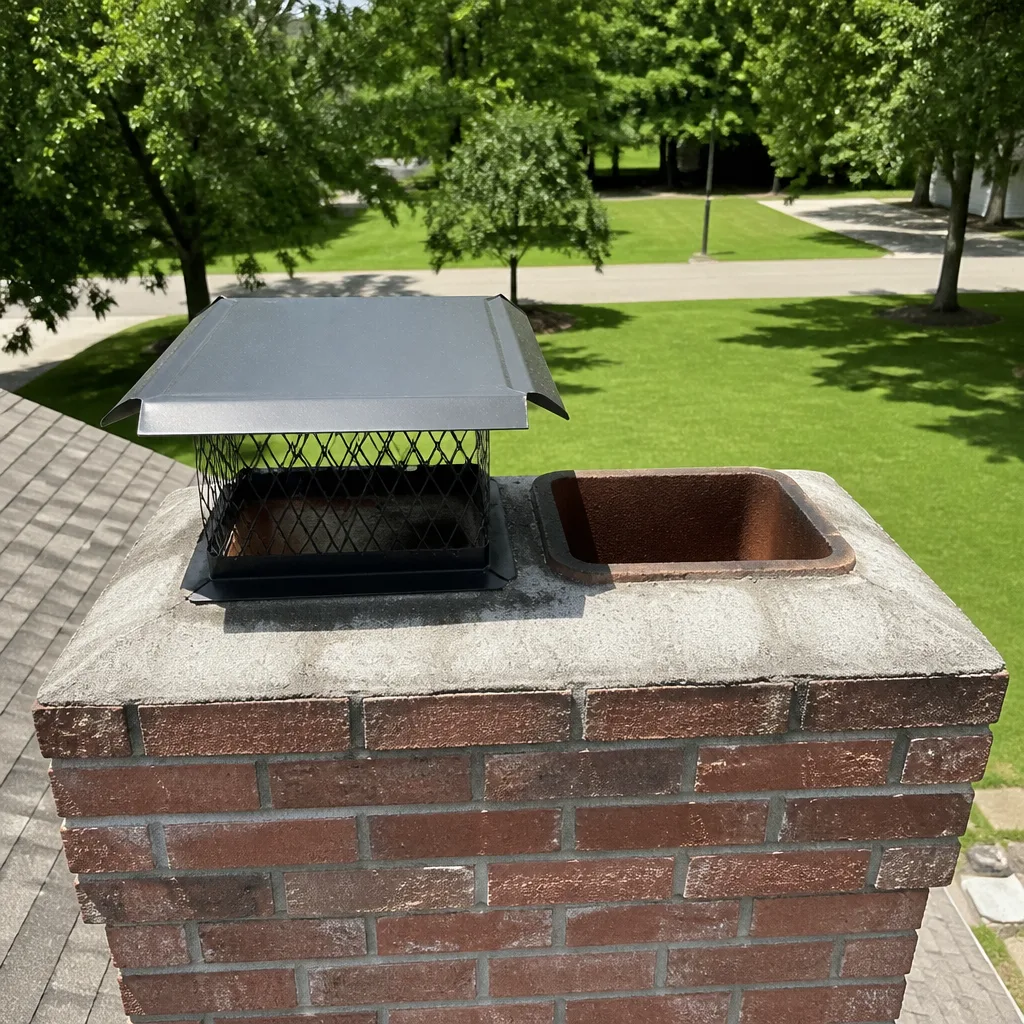 Sweep & inspection
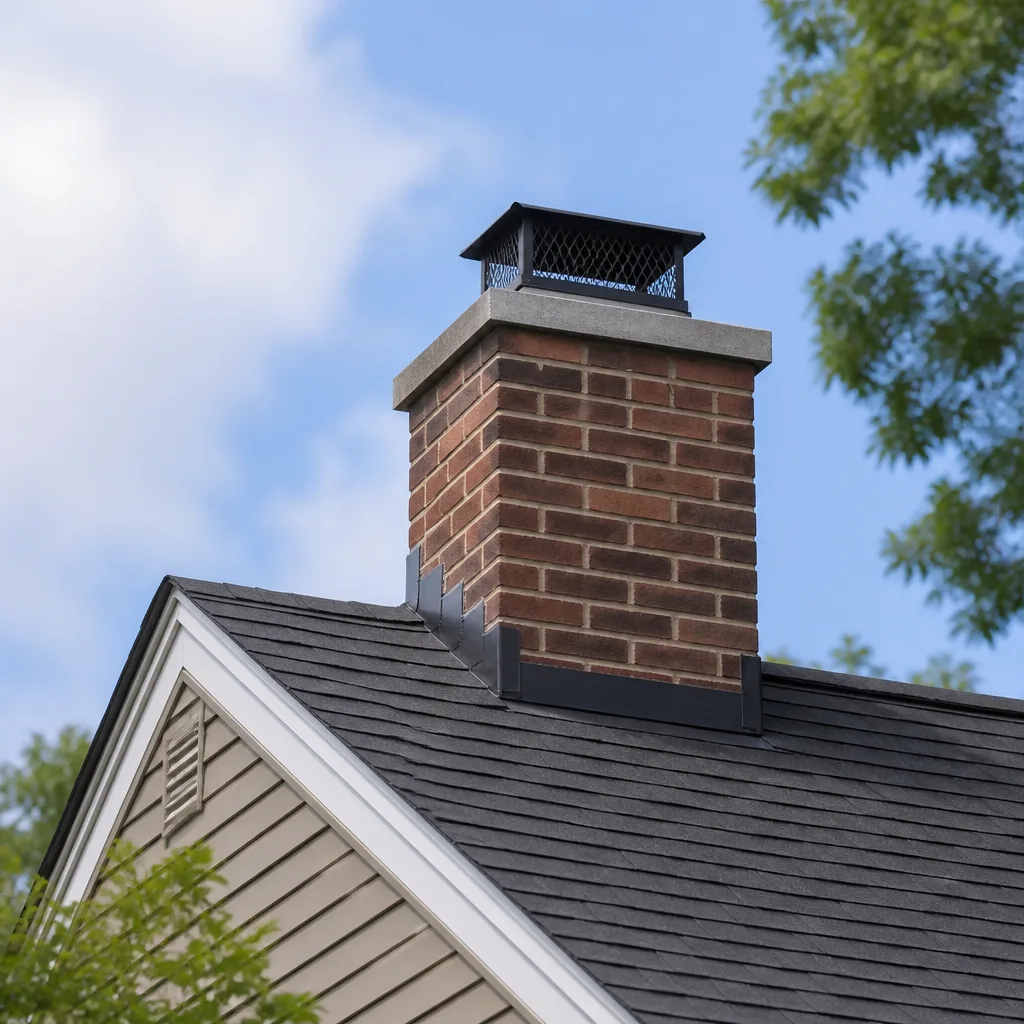 Caps & crowns
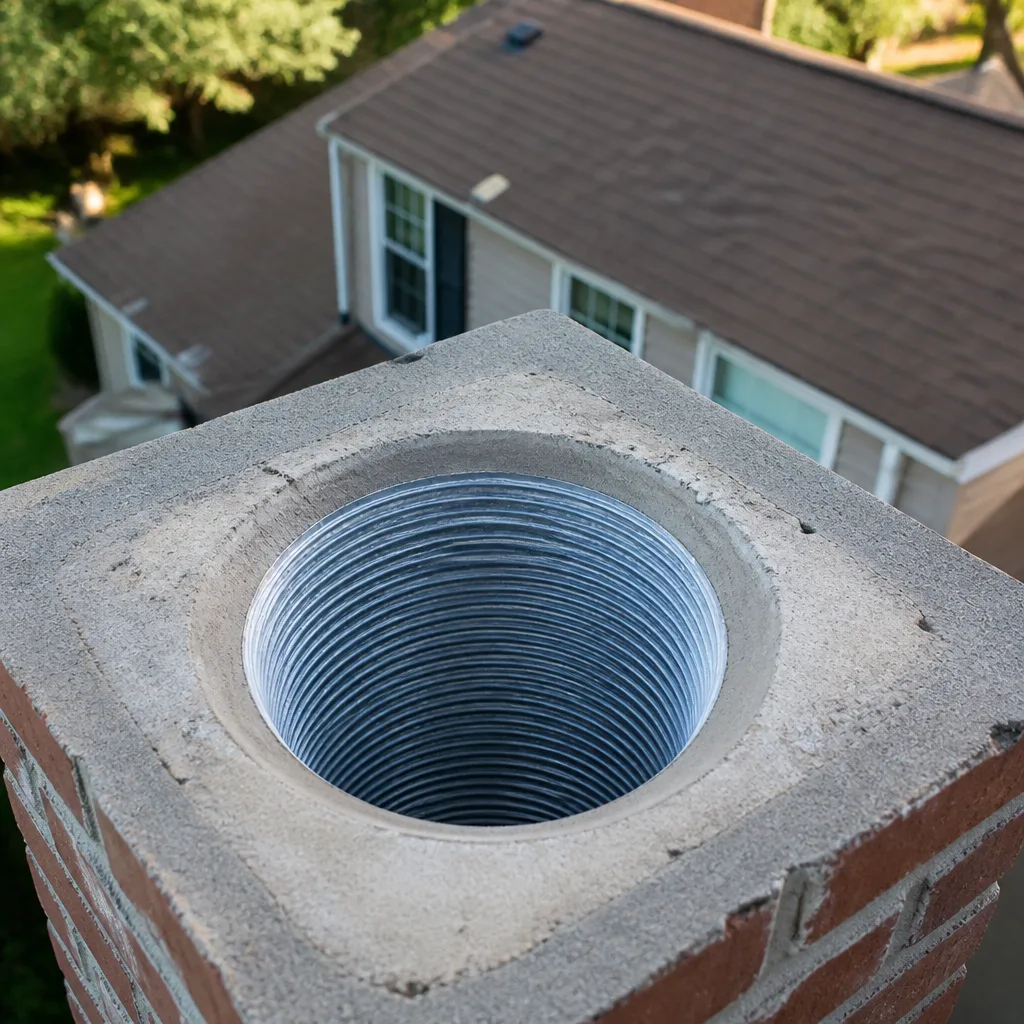 Flue relining
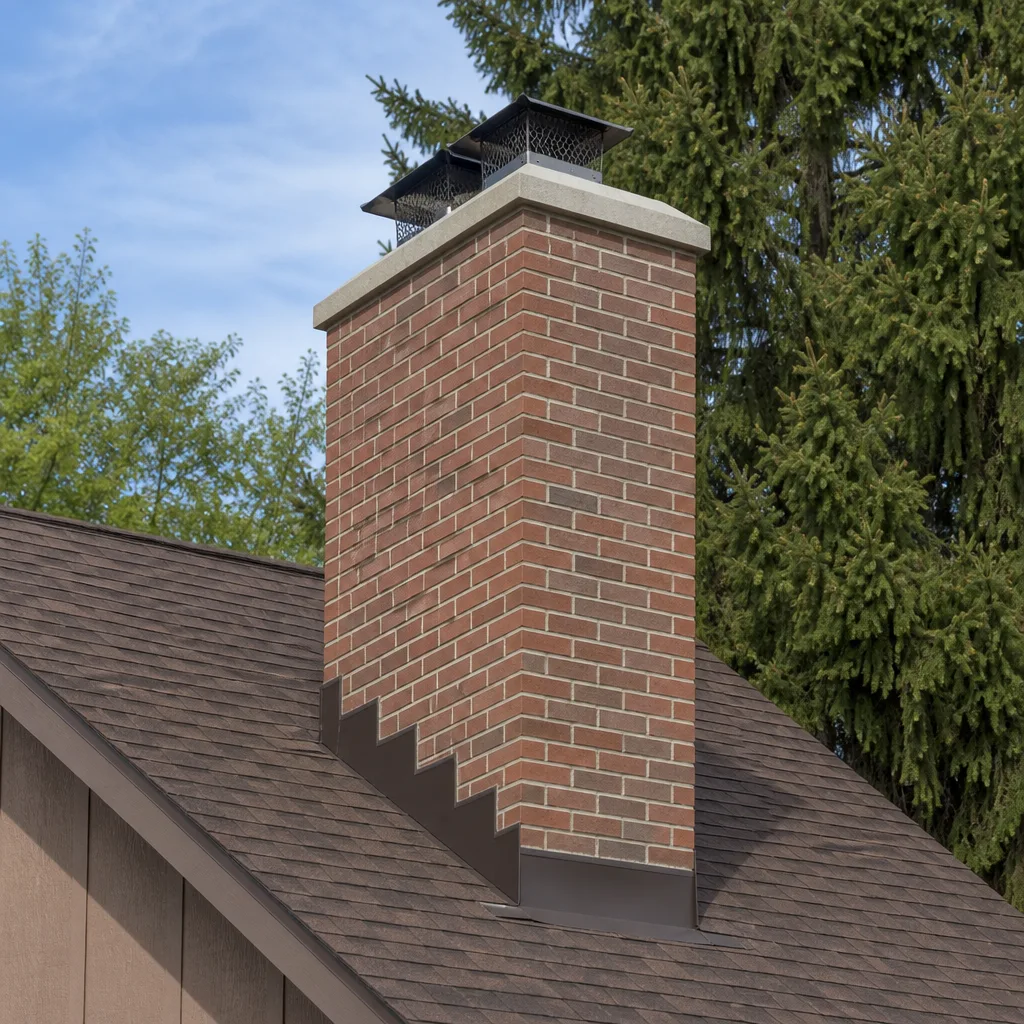 Masonry repair
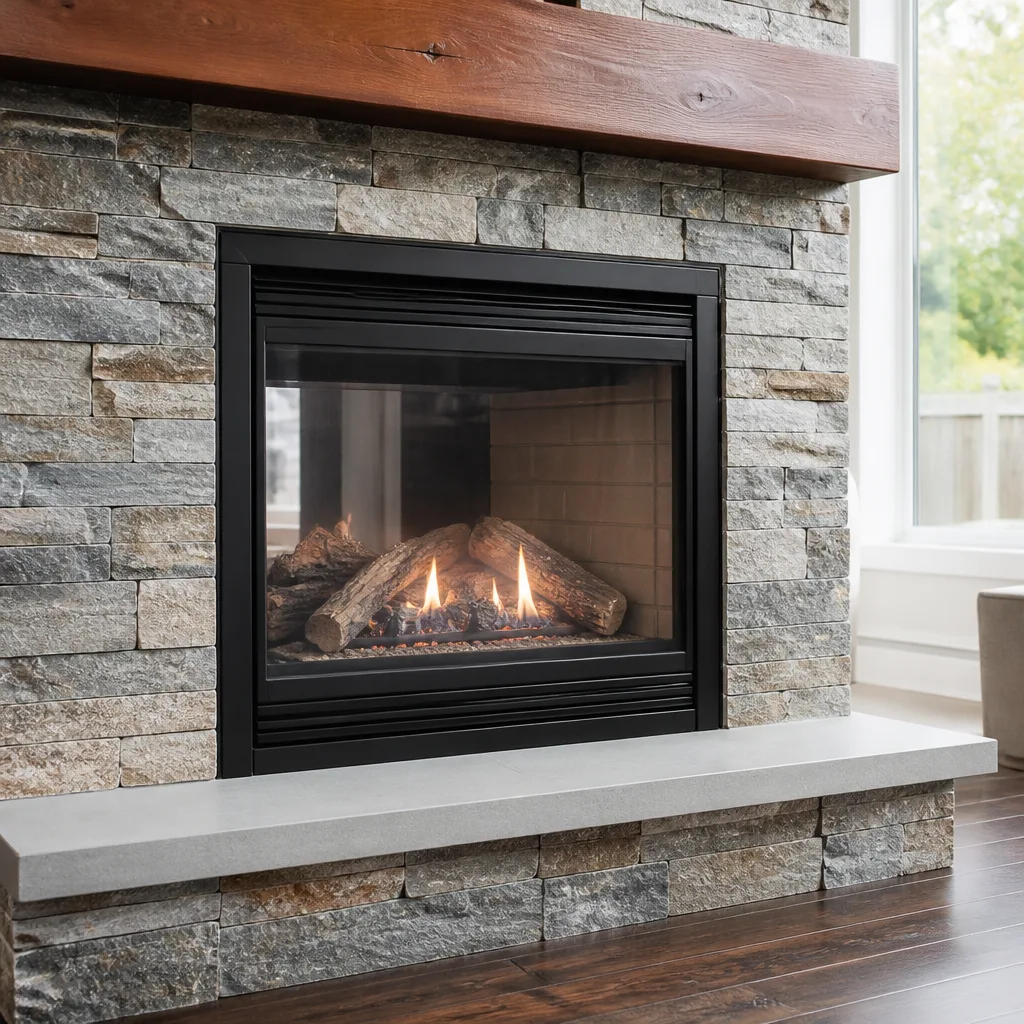 Gas fireplace service
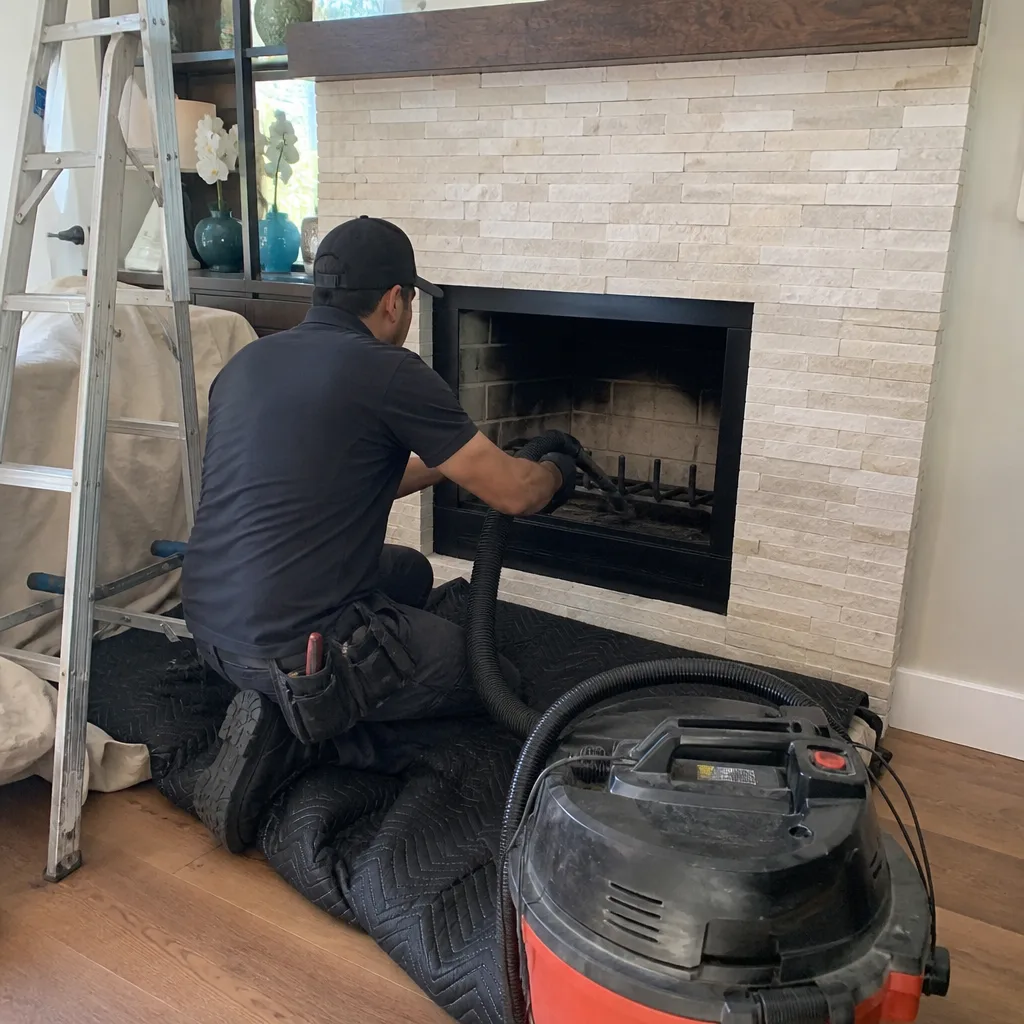
Level 1 sweep and inspection to the NFPA 211 annual standard - flue, crown, cap, and flashing checked and photographed
Chimney sweep logs do not sweep chimneys. They loosen some creosote - which then falls where a brush and vacuum still have to collect it.
Chimney Cleaning Cost Breakdown: The Pacific Beach Homeowner’s Reference for 2026
Most Pacific Beach homeowners shopping for a chimney sweep start with the same question: why does one company quote $89 while another quotes $389 for what sounds like the same job? The answer usually isn’t that one contractor is gouging you. It’s that they’re quoting different jobs entirely. A $79 or $89 sweep special covers the brush and a visual glance. A $300-plus service includes camera documentation of your flue liner, a written condition report, and the time to spot things like the small mortar joint failure that’s been quietly letting carbon monoxide drift toward your living room. This guide breaks down exactly what each dollar pays for in the Pacific Beach market, so you can compare bids line by line instead of number to number.
Styles & brands we work with
- Sweep & inspection
- Caps & crowns
- Flue relining
- Masonry repair
- Gas fireplace service
Quick Answer
Chimney cleaning in Pacific Beach typically costs between $180 and $450 in 2026, depending on whether you’re getting a basic sweep, a sweep with a Level 1 inspection, or a sweep paired with a Level 2 camera inspection. A brush-only sweep from a discount operator runs $79 to $150 and rarely includes documentation. Mid-range service between $250 and $400 is where you start getting the camera footage, written assessment, and liner condition information that actually protects your home. Deferring a $250 annual cleaning can lead to a $3,000 to $8,000 liner replacement, so the real cost question isn’t what a sweep costs today. It’s what skipping it costs two seasons from now.
Table of Contents
- What a Chimney Cleaning Actually Includes (and What It Doesn’t)
- The Three Service Tiers and What They Cost in Pacific Beach
- How Pacific Beach’s Housing Stock Affects What You Actually Need
- Add-On Services: What’s Legitimate and What’s Pressure
- The Real Cost of Deferring Service: A $250 Cleaning vs. a $5,000 Liner
- How to Compare Bids Line by Line
- Common Mistakes to Avoid
- When to Call a Professional
- Frequently Asked Questions
- The Bottom Line
What a Chimney Cleaning Actually Includes (and What It Doesn’t)
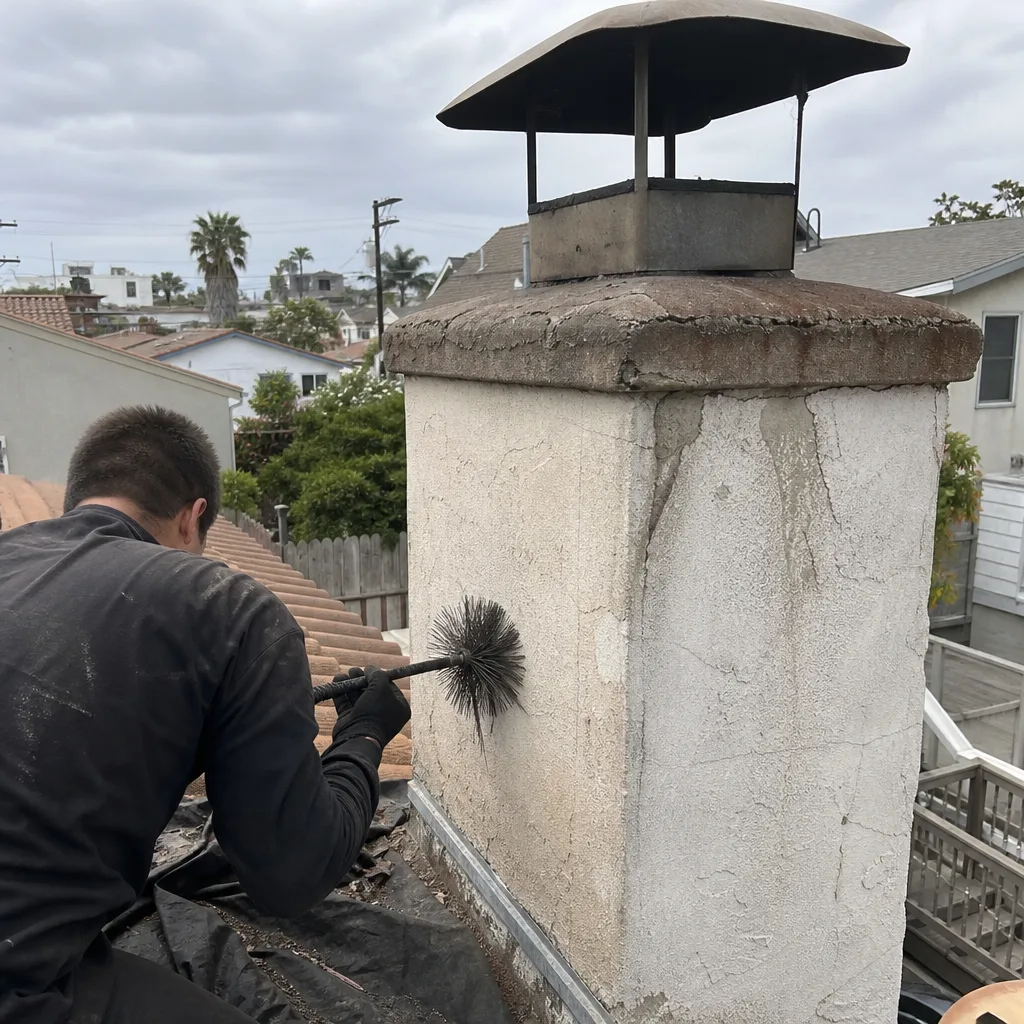
A chimney cleaning, at its core, is the mechanical removal of creosote, soot, and debris from the interior walls of your flue. It involves running a properly sized wire or poly brush up and down the full length of the chimney, typically with a rotary drill system for harder deposits, and vacuuming what falls to the firebox. That’s the baseline. It’s what every sweep does, whether they charge $79 or $400. The variance in pricing comes from everything layered on top of that: the inspection level, the documentation, the condition assessment, and the time spent answering questions about what was found.
What a basic cleaning does not include by default is equally important. A brush sweep won’t tell you if your clay tile liner has a hidden crack. It won’t document creosote thickness with written measurements. It won’t identify a failing mortar joint above the roofline. It won’t show you a single image of the inside of your flue. If a Pacific Beach chimney company quotes you $99 and promises all of that, they’re either working at a loss (which doesn’t last long) or they’ve found another way to make up the margin.
Here’s the minimum we consider a legitimate chimney cleaning service, regardless of price point:
- Drop cloths and proper containment around the work area. Your living room floor shouldn’t look like a soot mine that’s been through an earthquake when the crew leaves.
- A correctly sized brush for your flue dimensions. One-size-fits-all is not a professional practice. An 8-inch brush in a 13-inch flue leaves creosote behind and doesn’t clean anything.
- Visual verification after the sweep. The technician should be able to tell you, with confidence, that the flue is clear. If he says “looks good” without a second glance, ask for one.
- Basic safety observations. The damper should be checked for function. The firebox should be examined for obvious cracks. The spark arrestor or chimney cap should be noted as present or missing. This isn’t an upcharge; it’s the bare minimum of awareness.
The difference between a $99 cleaning and a $300 cleaning isn’t hype. It’s the second and third of these items being done with real attention, plus the addition of inspection documentation. We’ve walked behind enough discount sweeps in Pacific Beach homes to know the difference a thorough vacuuming and a ten-minute post-sweep look makes. That said, the basic sweep has its place. If you had the chimney professionally cleaned and inspected last season, and you’ve used the fireplace maybe a dozen times since, a basic brush-out may be all you need this year.
The Three Service Tiers and What They Cost in Pacific Beach
Chimney cleaning pricing in Pacific Beach breaks into three service tiers. Understanding what each tier includes is the fastest way to make sense of quotes that seem to span a $300 range. Here’s how they actually shake out in this market as of 2026.
Tier 1: Brush Sweep Only – $79 to $150
This is the coupon special, the direct-mail postcard, the “annual special” that shows up in your mailbox every fall. It includes the brush, the vacuum, and a quick look at what came down. The technician will likely be in and out within 45 minutes. You’ll get a verbal rundown if you’re lucky. You will not receive written documentation, camera footage, or a liner condition assessment.
Who this tier is for: homeowners with a recently cleaned and inspected chimney who use their fireplace occasionally and simply want the creosote from last season’s occasional fires removed. If that’s you, the $99 deal isn’t a scam. It’s a narrowly scoped service.
Who this tier is not for: anyone with an older Pacific Beach masonry fireplace who hasn’t had the liner inspected in years, anyone who has just purchased a home with a wood-burning fireplace of unknown condition, or anyone who has a gas insert with existing venting that hasn’t been evaluated. In those cases, you’re paying for a brush but getting no information.
Tier 2: Sweep + Level 1 Inspection – $250 to $350
This is the workhorse package for most Pacific Beach homeowners. It includes the full mechanical sweep, plus a Level 1 inspection of the readily accessible portions of the chimney: the firebox, the damper, the flue from below, the exterior masonry, the cap or spark arrestor, and the roof flashing where visible. The sweep documents what he sees. He writes down creosote thickness before and after. He notes whether the liner appears sound from the accessible angles.
What justifies the jump from Tier 1 is the documentation and the accountability. A written inspection report gives you a record. It tells you what the technician could see, what he couldn’t see, and what he recommends checking further. That report is what you keep year to year, so you can track a liner issue that may be developing slowly instead of discovering it has become catastrophic.
In our experience in Pacific Beach, most homes built in the 1950s through the 1980s with original clay tile liners benefit most from this tier. We see lots of tile liners that are functional but aging, with minor spalling or early-stage mortar erosion. A brush-only company will leave without mentioning any of it. A proper Level 1 inspection catches the early warning signs while the problem is still cheap to address.
Tier 3: Sweep + Level 2 Camera Inspection – $400 to $550
A Level 2 inspection adds a camera run through the entire flue, top to bottom, with recorded footage you can actually watch. This is the gold standard for determining what’s actually happening inside a liner that you cannot otherwise see. It reveals cracked tiles, separated sections, deteriorated mortar joints, water intrusion points, and the true thickness of creosote deposits that a brush alone might not fully remove.
What drives the price up is the equipment and the time. A professional chimney camera system isn’t a $40 borescope from the hardware store shelf. It’s a sealed, high-resolution camera on a rigid or semi-rigid push rod, capable of operating in a dark, dusty, irregular space. The footage needs to be interpreted, not just recorded. A technician who has looked at a thousand liners can tell the difference between a cosmetic fissure and a structural crack. That expertise is part of what you’re paying for.
In Pacific Beach, Tier 3 is most valuable in three situations: when you’ve just bought a house and the seller’s “recently cleaned” claim came with no documentation, when you’re converting a wood-burning fireplace to a gas insert and need to verify that the existing flue is suitable for the new appliance, or when a previous sweep mentioned “some concerns” but couldn’t be specific. If you’ve never had a camera inspection on an older masonry fireplace, this is the tier that tells you what you actually own.
How Pacific Beach’s Housing Stock Affects What You Actually Need
Pacific Beach is a study in architectural time spans. The neighborhood’s older inventory, much of it built from the 1950s through the 1980s, includes a lot of masonry fireplaces with interior clay tile liners and exterior brick or stone facing. These systems age. Clay tiles crack from thermal stress. Mortar joints between tile sections erode. Chimney crowns get hairline fractures from years of sun and wet-winter cycles. None of this is dramatic. It’s just what happens to a house that’s been standing for 50 or 60 years within sight of the ocean air.
Newer construction and recent renovations tend to feature gas fireplace inserts or prefabricated metal fireplace units. These are different animals entirely. A gas insert vents through a smaller, usually stainless steel liner rather than a full masonry flue. Cleaning and inspection requirements differ. The insert needs to be pulled out to access the vent connector. The venting needs to be checked for correct installation and joint integrity. The chimney cap, if one exists, needs to be evaluated for physical compatibility with the insert’s venting requirements.
What this means for Pacific Beach homeowners is that the right tier of service depends on what kind of fireplace you actually have, not on what the average price is. Homeowners with original 1960s or 1970s masonry fireplaces who haven’t had a liner inspection in a decade are usually best served by Tier 2 or Tier 3. Homeowners with recently installed gas inserts who are getting a maintenance visit can often get by with a Tier 2 cleaning and a careful vent check. The mistake is assuming your house matches the average.
We also see a pattern in the coastal climate. The moisture in the air accelerates certain failures. Chimney crowns crack, water gets in, and then the freeze-thaw cycles that happen even in San Diego’s mild winters do the slow work of widening those cracks. By the time a masonry firebox shows visible water staining, the crown has been failing for years. That’s the kind of thing a camera inspection catches early and a brush sweep misses entirely. Pacific Beach’s geography doesn’t change chimney cleaning prices directly, but it does change how often you should pay for inspection-tier service rather than brush-tier service.
Add-On Services: What’s Legitimate and What’s Pressure
The single biggest driver of price confusion in chimney cleaning is the add-on. Some add-ons are genuinely important maintenance items with clear cost justification. Others are pressure tactics designed to inflate a $99 sticker price into a $1,200 invoice after the technician is already in your living room. Here’s how to tell the difference.
Legitimate Add-Ons
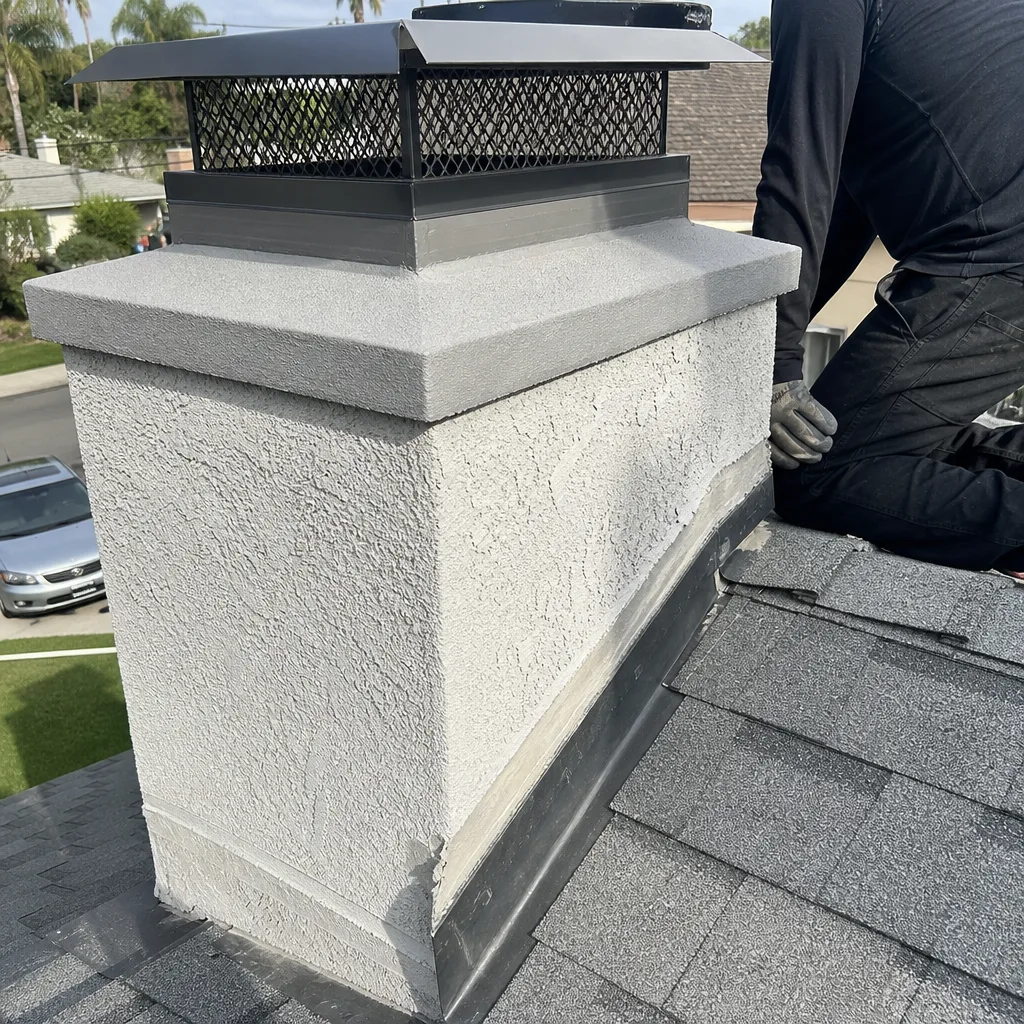
- Chimney cap replacement: $150 to $400 installed. If your cap is missing, rusted through, or no longer properly sized for your flue, it should be replaced. A missing cap lets rain directly into your flue, and water damage to a liner or firebox is expensive to repair. This is one of the cheapest preventive actions in the chimney world.
- Chimney crown coating or sealing: $500 to $1,200 depending on condition. Cracked crowns let water intrude into the masonry system. A proper crown repair involves cleaning the surface, filling cracks, and applying a flexible, breathable sealant. If a technician shows you photos of an actual cracked crown, this isn’t an upsell. It’s the thing that’s already failing.
- Creosote removal chemicals or mechanical descaling: varies. If you have stage 2 or stage 3 creosote (glazed, tar-like buildup), a standard brush is insufficient. This is a real problem. The fix involves specialized tools and more labor. It’s not a scare tactic. Glazed creosote is a legitimate fire hazard that a brush alone cannot remove.
- Dryer vent cleaning: $125 to $250 as an add-on or standalone. Most chimney companies don’t offer this. We do, because dryer vent buildup is one of the most common, and preventable, causes of residential fires. If you’re already having the chimney cleaned and it’s been years since the dryer vent was addressed, bundling them saves a second service charge. You can learn more about our Dryer Vent Cleaning in Pacific Beach service.
Add-Ons That Are Often Pressure Tactics
- “Complete chimney rebuild” recommended after a 20-minute sweep with no camera footage. A technician who has not run a camera through the flue does not have the information required to recommend a rebuild. If someone tells you your entire chimney needs to be torn down and rebuilt and he’s been there for 15 minutes, get a second opinion. If this is the recommendation, it should be supported by photos you can see and a written explanation.
- “Fireplace removal and replacement” offered as an add-on during a cleaning. Replacing a fireplace is a major structural project, not an upsell. A legitimate provider will recommend what’s actually needed for your situation, not a complete replacement based on a visual glance.
- Chemical “sealers” or “conditioners” with vague benefits. Some products have legitimate uses. Many don’t. A sealer applied to the interior of a flue is not a substitute for repairing cracked tiles or deteriorating mortar. If the pitch is “this will fix your chimney” rather than “this addresses this specific issue we documented,” ask questions.
- Immediate “emergency” discounts if you sign today. A reputable chimney company doesn’t use high-pressure now-or-never pricing for maintenance work. The urgency of a cracked liner is real, but it doesn’t evaporate if you take a day to think about it.
We name the materials we use so you know exactly what’s going into your home. For repair work, we use the same product lines professional chimney contractors rely on, not what’s on the hardware store shelf. HeatShield resurfacing can add years to a compromised liner without a full replacement. DuraFlex liner systems give us the capability to handle full flexible liner installations, a structural upgrade most sweep-only operators cannot perform. These aren’t add-on products we mention to increase a ticket. They’re what we reach for when a camera inspection reveals a problem that actually needs fixing.
The Real Cost of Deferring Service: A $250 Cleaning vs. a $5,000 Liner
Here’s the math that matters most for a Pacific Beach homeowner with an aging masonry fireplace. A Tier 2 sweep with Level 1 inspection runs $250 to $350 per year. If it extends the life of your liner by five years, which it often does by identifying minor issues before they become structural, it’s postponing a $3,000 to $8,000 replacement. The payback math is straightforward, and it’s not close.
The liner is the thing that keeps combustion byproducts inside the chimney instead of inside your house. In a masonry chimney with clay tile liners, those tiles are the liner. When they crack, heat and carbon monoxide can migrate into the surrounding masonry cavity and from there into wall spaces and living areas. The carbon monoxide from a fireplace can be lethal. It’s odorless, colorless, and it doesn’t announce itself with a headache before it becomes a problem. That’s what you’re actually paying to prevent.
Full liner replacement in Pacific Beach typically runs $3,000 to $8,000, with most installations falling around $4,500 to $6,500 for a standard one-story chimney with the flexible stainless steel liner and the necessary insulation and cap work. A HeatShield resurfacing often comes in at half to two-thirds of full replacement cost, depending on the extent of the damage. The earlier a liner problem is caught, the more likely a resurfacing is an option instead of a full tear-out and replacement.
What a $250 annual cleaning buys you, in concrete terms, is the chance to catch a cracked tile in year one or two, instead of discovering a chimney full of failing liner in year six. It’s not glamorous. It’s basic maintenance math. The homeowners who end up with $6,000 liner replacements are rarely the ones who had their chimneys inspected annually. They’re the ones who inherited a problem from the previous owner, or who skipped service for a decade, or who believed the $99 brush was all the chimney ever needed.
Dryer vents deserve the same logic. The vent line from your dryer to the exterior accumulates lint, and lint is flammable. Dryer vent buildup is a leading cause of residential fires. A $150 cleaning every one to two years is the entire cost of eliminating that risk. The cost of the alternative is measured in property loss and sometimes worse. We offer dryer vent cleaning as a standalone or add-on service, because it’s genuinely related and genuinely important, and because most Pacific Beach homeowners have never thought about it until someone asks.
How to Compare Bids Line by Line
Two bids for a chimney cleaning in Pacific Beach might read $110 and $385. Without a line-item breakdown, you can’t compare them. With one, the difference usually becomes obvious. Here’s a step-by-step process for comparing bids accurately, whether you’re evaluating companies over the phone or reviewing written estimates.
- Ask what tier of inspection is included. If the bid doesn’t specify whether you’re getting a brush-only, Level 1, or Level 2 inspection, that’s the first red flag. A legitimate contractor can tell you in one sentence what inspection level is bundled into the cleaning. If the answer is vague, the bid is vague on purpose.
- Require documentation. Ask whether you’ll receive a written report. Ask whether camera footage is part of the service and whether you can see it. A company that documents its work has nothing to hide. A company that resists documentation usually has a reason.
- Confirm the crew will actually be in your home. Some discount operators run a brush up the flue from the roof without ever coming inside. That’s a partial service. The firebox and damper need to be addressed from inside. If the technician isn’t setting down drop cloths in your living room, the cleaning is incomplete.
- Check for material names, not just service names. If the bid includes repair work, it should name the materials. HeatShield or DuraFlex or Gelco or Olympia Chimney or Famco or Copperfield. If it says “liner repair” without saying what product will be used, you can’t compare it to another bid that does name its materials.
- Ask about the vent. If you have a gas insert, a wood-burning stove, or any vented appliance, ask whether the venting is included in the service. This is where some companies cut scope. The chimney is more than the masonry stack. It’s the entire ventilation path.
- Ask what’s inspected, not just what’s cleaned. A $110 bid that includes no inspection of the damper, the firebox, the cap, or the crown is not comparable to a $350 bid that includes all of those with documentation. You can only compare line items when they’re actually the same line items.
The goal isn’t to shame low-priced bidders. The $99 brush-only service has its place for certain situations. The goal is to make sure you know which bid you’re looking at. In our experience in Pacific Beach, most homeowners ultimately need the mid-tier service with proper documentation. The discount tier works only when a responsible inspection was already done recently. If you’re comparing bids and one company can’t explain what’s included beyond “we clean the chimney,” that’s your answer. For a complete look at what a full sweep entails, start with our Chimney Sweep in Pacific Beach page.
Common Mistakes to Avoid
- Buying the coupon price without reading what it covers. A $79 sweep that doesn’t include a firebox inspection or a damper check has left half the system unexamined. You saved $200 on the cleaning and gained zero information about the fireplace you’re actually using.
- Skipping the camera inspection on a newly purchased home. Sellers often have the chimney “cleaned” before listing. That cleaning rarely includes a Level 2 inspection. You’re buying a fireplace of unknown structural condition, and the $450 camera run is the cheapest due diligence you’ll ever perform.
- Assuming gas fireplaces don’t need service. Gas inserts produce different byproducts than wood fires, but their venting systems degrade, corrode, and clog just the same. A gas insert with a partially blocked vent is a carbon monoxide source. Annual or biennial service is not optional.
- Ignoring the dryer vent because it’s not “chimney” work. Dryer vent fires are among the most preventable residential fires. A clogged vent from the dryer to the exterior is a fire waiting to happen. We see homeowners every year who’ve never had their dryer vent cleaned, not once, in a decade of living in the same Pacific Beach house.
- Accepting a major repair recommendation without seeing the evidence. If a technician says you need a new liner or a crown rebuild and can’t show you the camera footage or the photos to back it up, get a second opinion. Legitimate recommendations are backed by evidence you can see with your own eyes.
- Waiting until fall to schedule in Pacific Beach. Every chimney company in San Diego gets slammed in October and November. That’s when your fireplace suddenly becomes interesting again after six months of dormancy. Scheduling a cleaning in spring or summer is easier, usually cheaper, and leaves you with a ready-to-use fireplace when the first genuinely cold evening arrives.
When to Call a Professional
Some situations don’t leave room for deliberation. If your fireplace smells like smoke even when no fire has burned in days, that’s a sign of poor draft or a blocked flue. It means combustion byproducts are lingering in your living space, and that’s never normal or safe. If you hear water dripping in the chimney after rain, or you see staining on the walls or ceiling near the fireplace, water is getting into the system and doing structural work you can’t see. If the damper won’t open or close fully, if the firebox shows visible cracks in the masonry, or if you can’t remember the last time the chimney was inspected at all, those are all reasons to pick up the phone. Chimney Sweep Pacific Beach offers free estimates in Pacific Beach, call (866) 282-7711 to book an inspection or a cleaning. If you’re seeing symptoms, don’t wait for the symptom to become a failure.
For any chimney repair work that comes out of an inspection, whether it’s liner resurfacing or cap replacement, the same logic applies. The sooner a problem is documented, the more options you have for fixing it. Our Chimney Repair in Pacific Beach service covers everything from CrownCoat applications to HeatShield resurfacing and DuraFlex liner installation. The repair work starts with the same camera inspection the cleaning does. Nothing is ever recommended without documentary evidence you can see.
Frequently Asked Questions
A chimney sweep in Pacific Beach costs $79 to $550 depending on the inspection tier. A basic brush-only sweep runs $79 to $150, a sweep with Level 1 inspection runs $250 to $350, and a sweep with Level 2 camera inspection runs $400 to $550. Most Pacific Beach homes with older masonry fireplaces are best served by the $250 to $350 tier, which includes documentation and a full condition assessment. Call (866) 282-7711 for a free estimate.
A chimney should be swept every 1 to 2 years, with annual service recommended for homes that burn wood regularly throughout the winter. The National Fire Protection Association standard is that chimneys should be cleaned when creosote buildup reaches 1/8 inch, which for most households translates to about once per year. Gas fireplaces can often go two years between cleanings, but their venting should still be inspected annually. If you’re in Pacific Beach and can’t remember the last time the chimney was touched, it’s overdue.
You need a new liner or resurfacing if the camera inspection shows cracked tiles, separated sections, or significant mortar deterioration. Some liners can be resurfaced with HeatShield at a fraction of replacement cost. Others have reached the point where a DuraFlex stainless steel liner is the safe option. The only way to know is to see the footage. Any recommendation should come with visual evidence you can review yourself. Call (866) 282-7711 for an honest assessment with documentation.
If you skip chimney cleaning, creosote builds up on the flue walls. At thicknesses above 1/8 inch, creosote becomes a fire hazard. A chimney fire can crack the liner, damage the masonry structure, and in the worst cases spread to the rest of the house. Even without a fire, a neglected liner eventually leaks carbon monoxide into living spaces. The $250 you save by skipping a year is not worth the $3,000 to $8,000 liner replacement, or worse, that deferred maintenance can lead to.
A Level 1 inspection covers the readily accessible portions of the chimney: the firebox, damper, flue from below, exterior masonry, cap, and flashing. A Level 2 inspection adds a camera run through the full length of the flue with recorded footage. Level 1 is appropriate for annual maintenance when nothing has changed. Level 2 is required when you’re buying a home, converting to a different fuel type, or after a chimney fire or weather event. The price difference reflects the equipment and expertise required.
No. Chimney cleaning addresses the flue system that vents fireplaces and heating appliances. Dryer vent cleaning addresses the separate duct that carries dryer exhaust and lint to the exterior. They’re different systems with different equipment and different risks. Dryer vent buildup is a leading cause of residential fires. We handle both services in-house, so you can address both ventilation systems in one visit. Learn more on our dryer vent cleaning page.
The Bottom Line
Chimney cleaning prices in Pacific Beach vary because service scope varies. A $99 brush is a legitimate service for a recently inspected chimney. A $350 sweep with Level 1 inspection is the right choice for most older Pacific Beach homes. A $450 to $550 sweep with camera inspection is essential when buying a home, converting fuel types, or investigating a suspected liner problem. What you’re ultimately paying for is information. The brush is the cheap part. The documentation, the trained eye, and the recorded footage are what tell you whether your chimney will be safe for another season or quietly falling apart. One call to (866) 282-7711 covers your chimney sweep, any liner or masonry repair, and your dryer vent, no coordinating separate contractors. If you own a fireplace in Pacific Beach, the first step is knowing what condition it’s actually in. That’s what we do.
For more on our full range of services, visit our Chimney Sweep Pacific Beach home page or explore our chimney sweep services and chimney repair options.
Written by the team at Chimney Sweep Pacific Beach, serving Pacific Beach since 2012.
See the difference
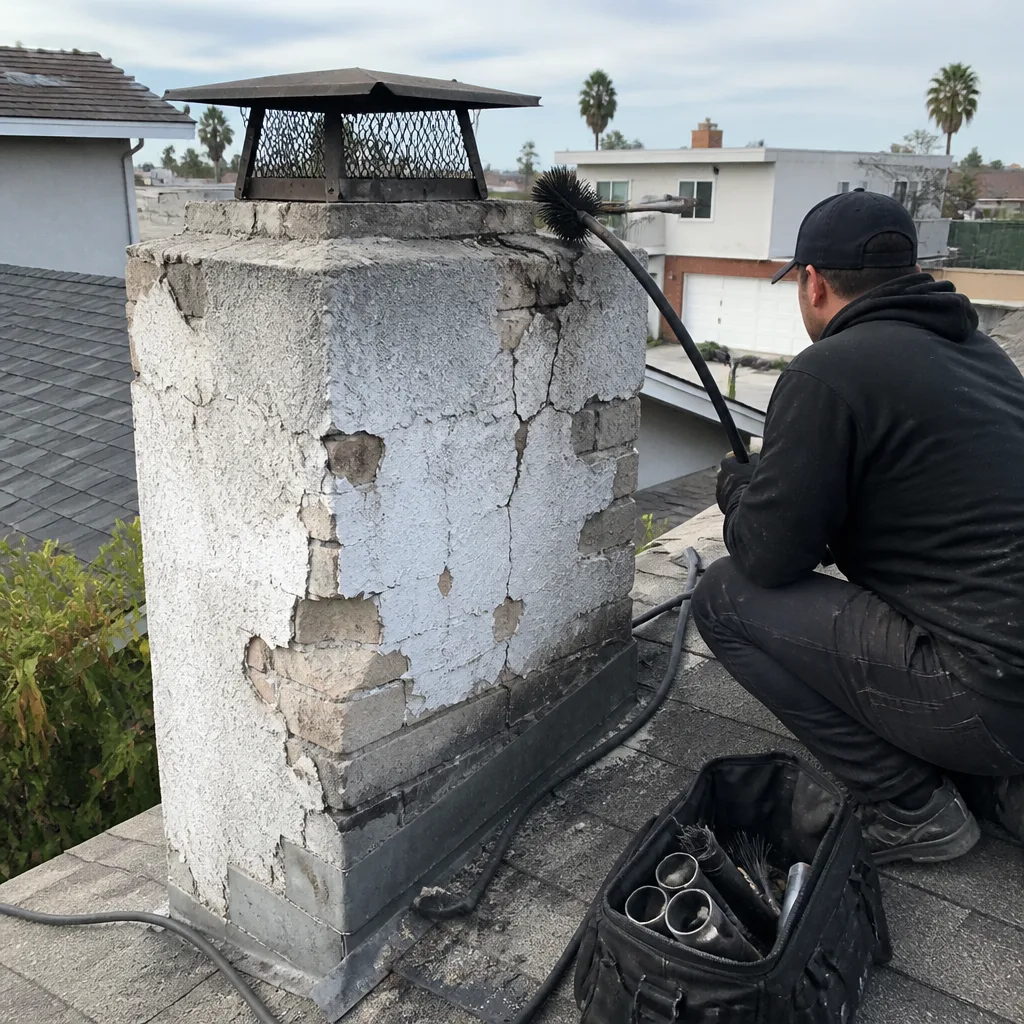 Before
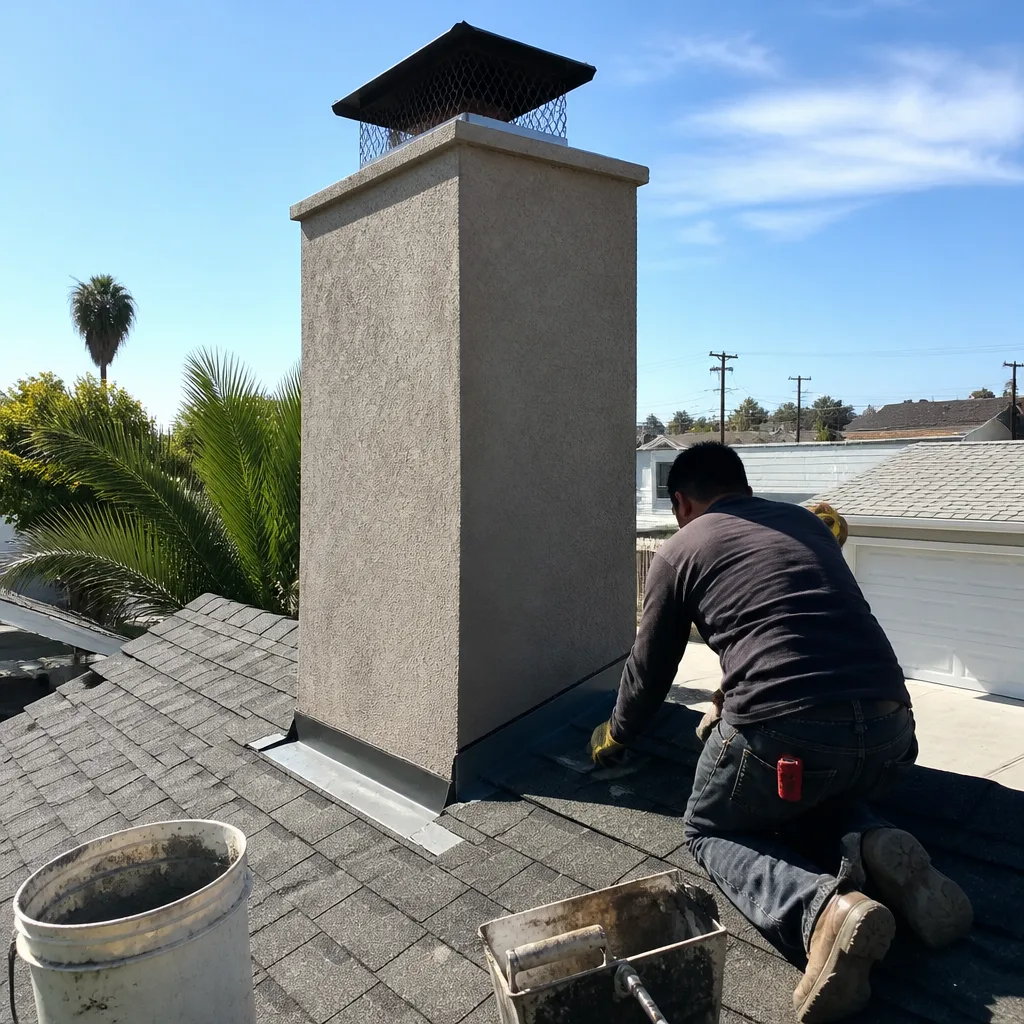 After
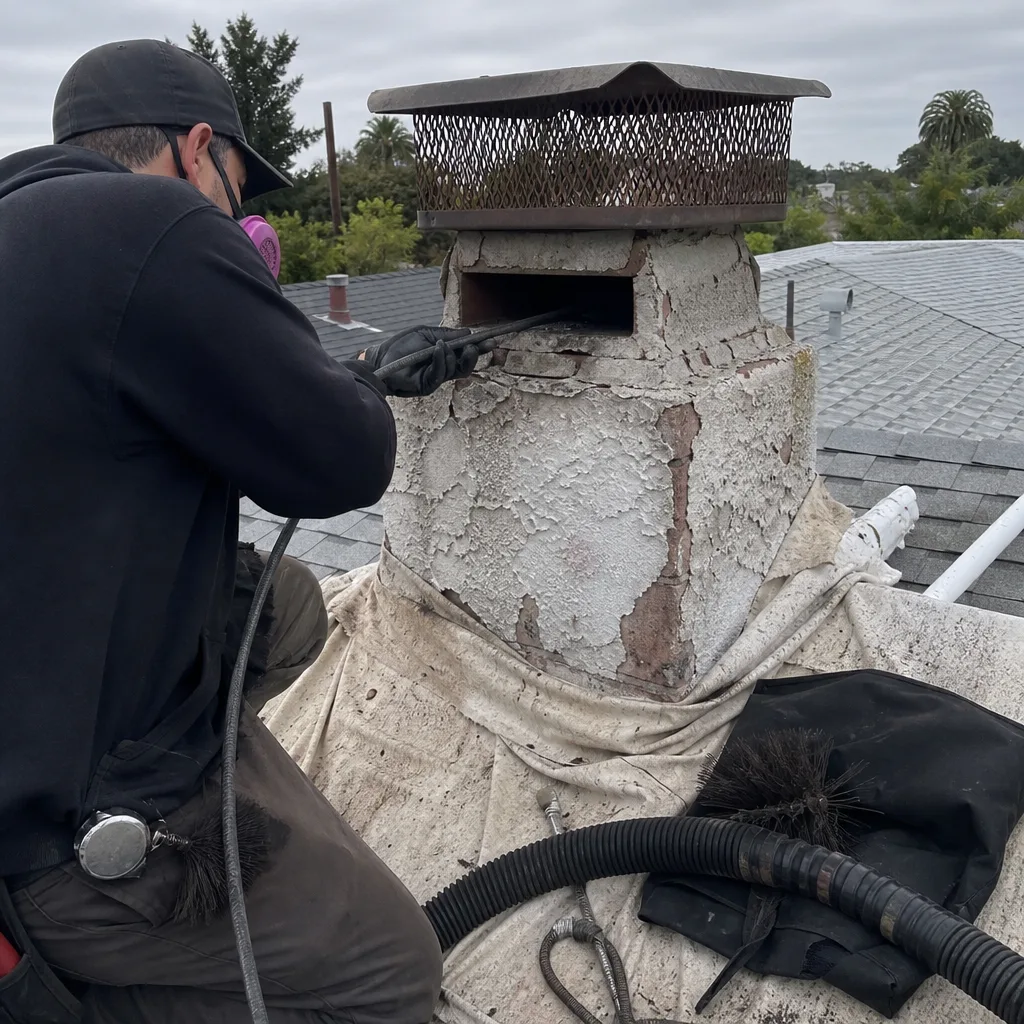 Before
 After
 Before
 After