
Last updated November 2, 2026
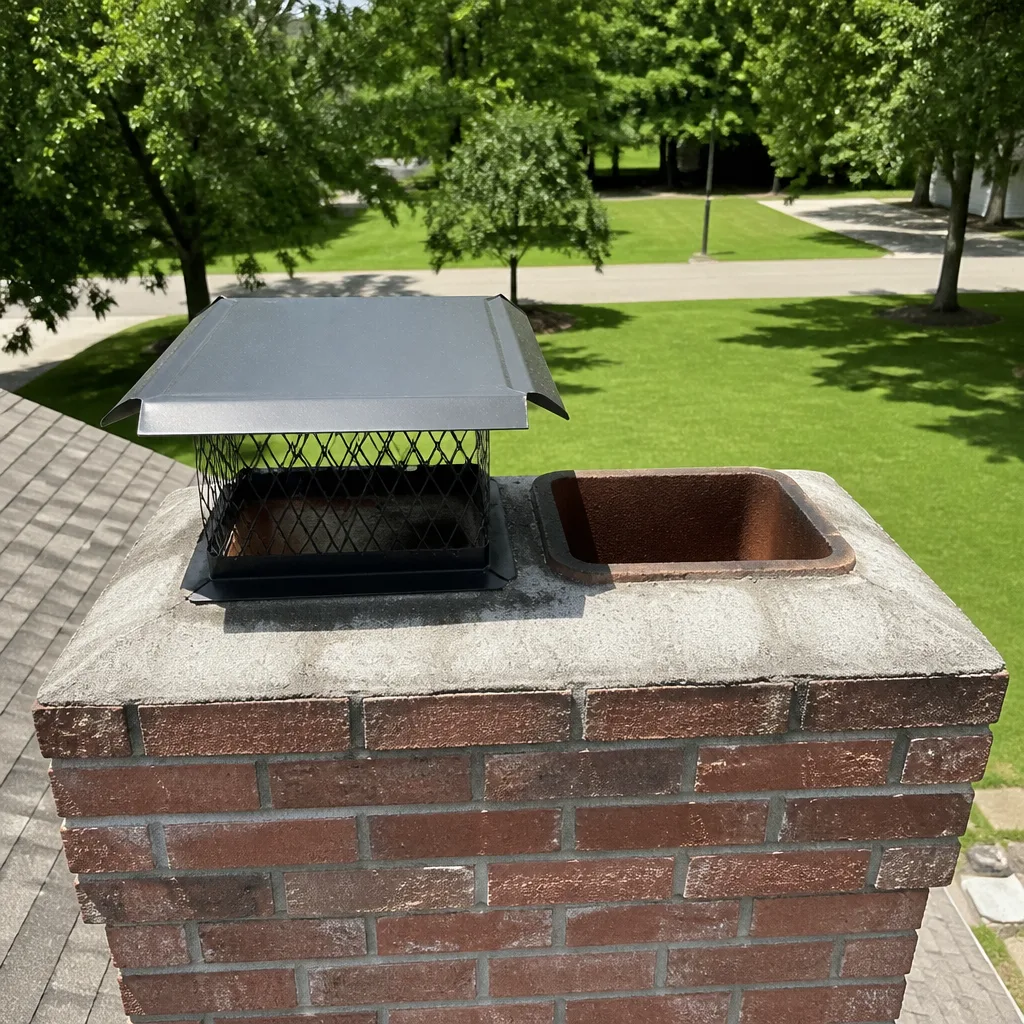 Sweep & inspection
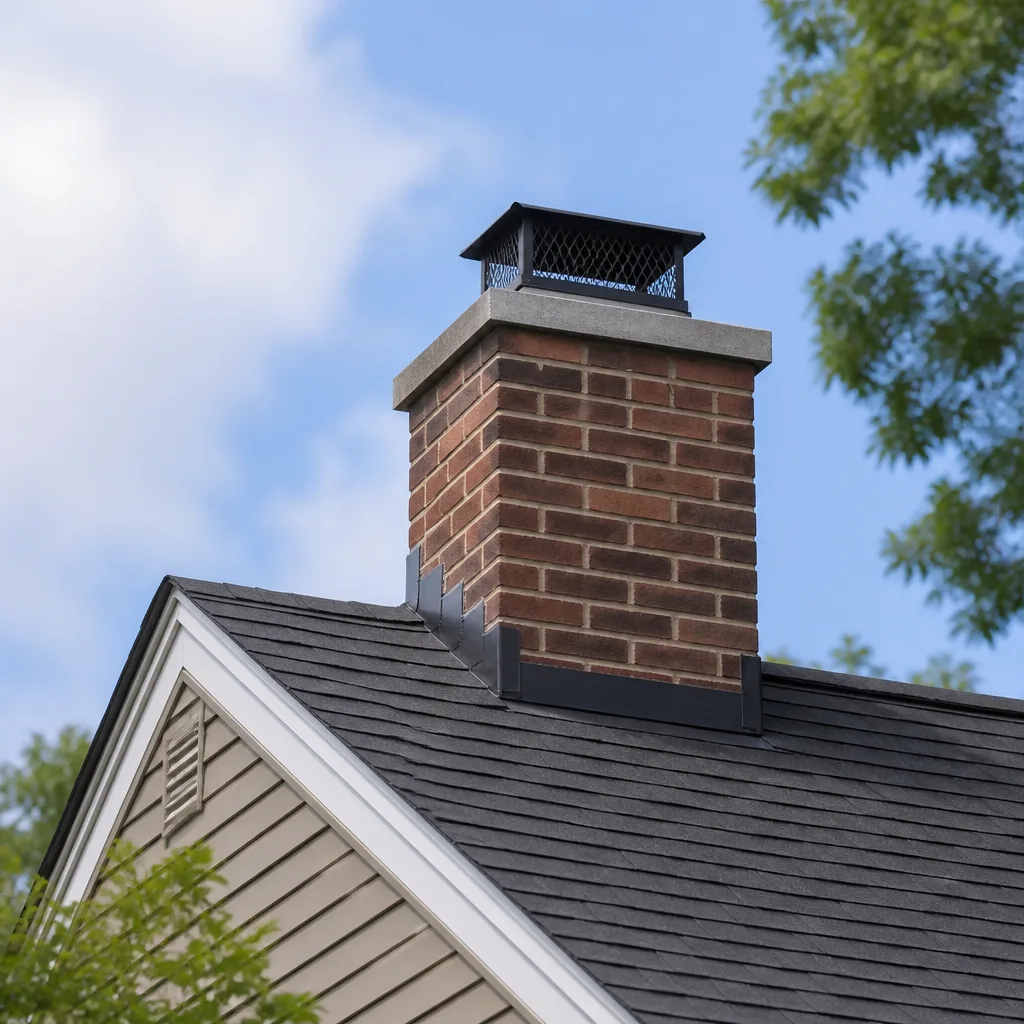 Caps & crowns
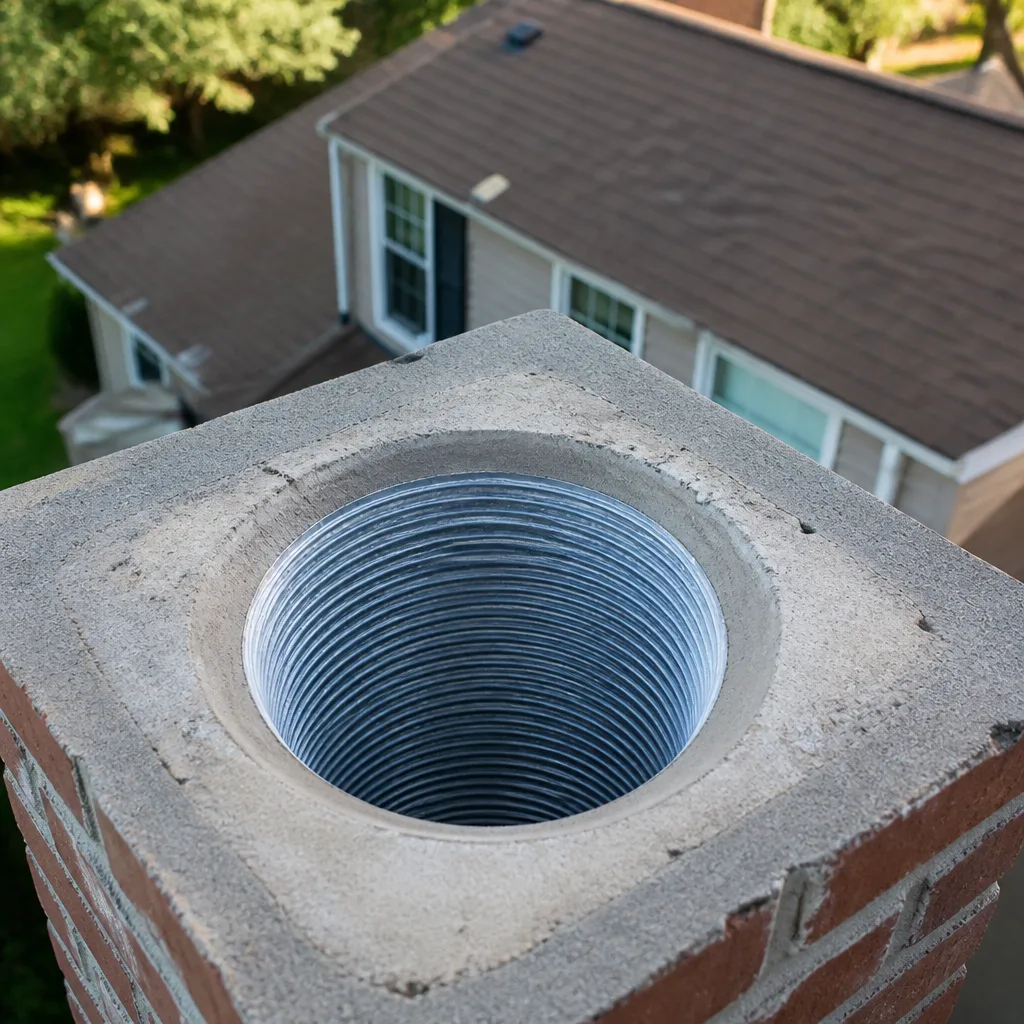 Flue relining
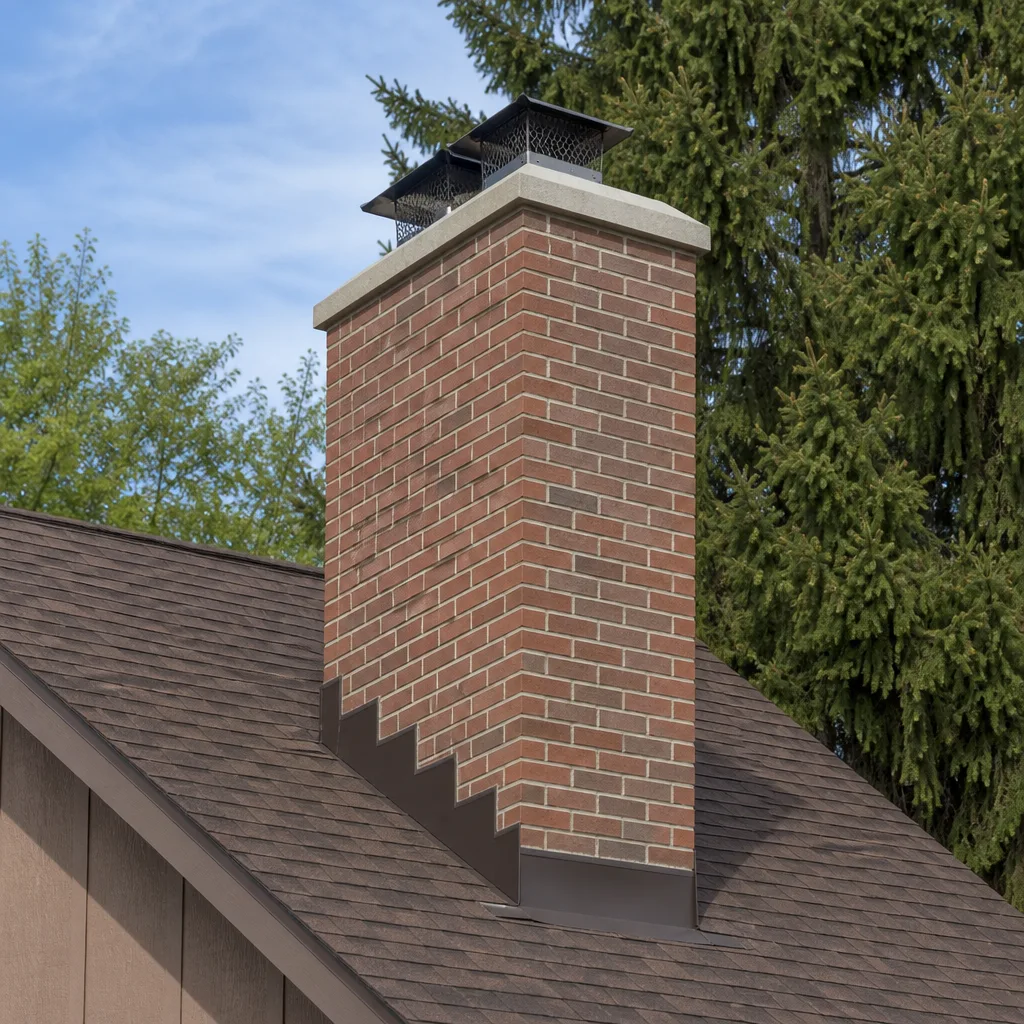 Masonry repair
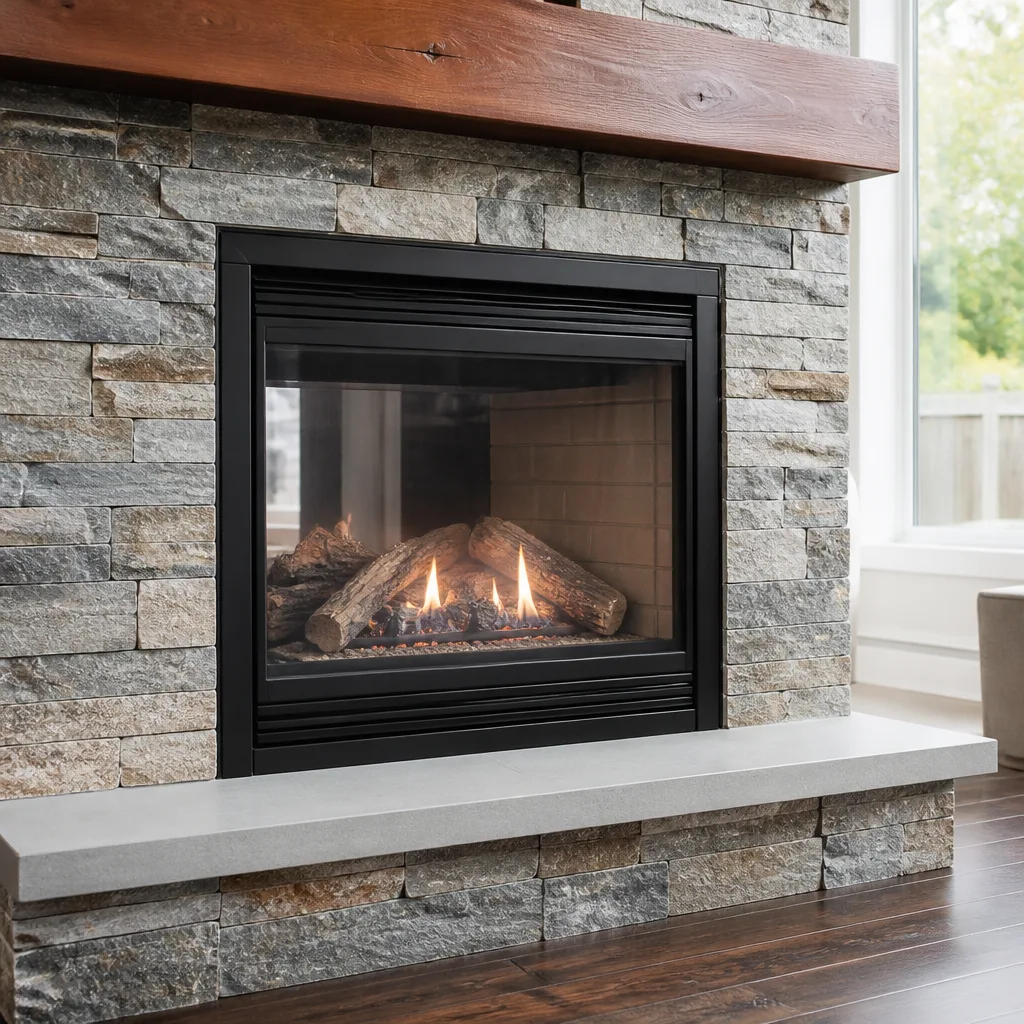 Gas fireplace service
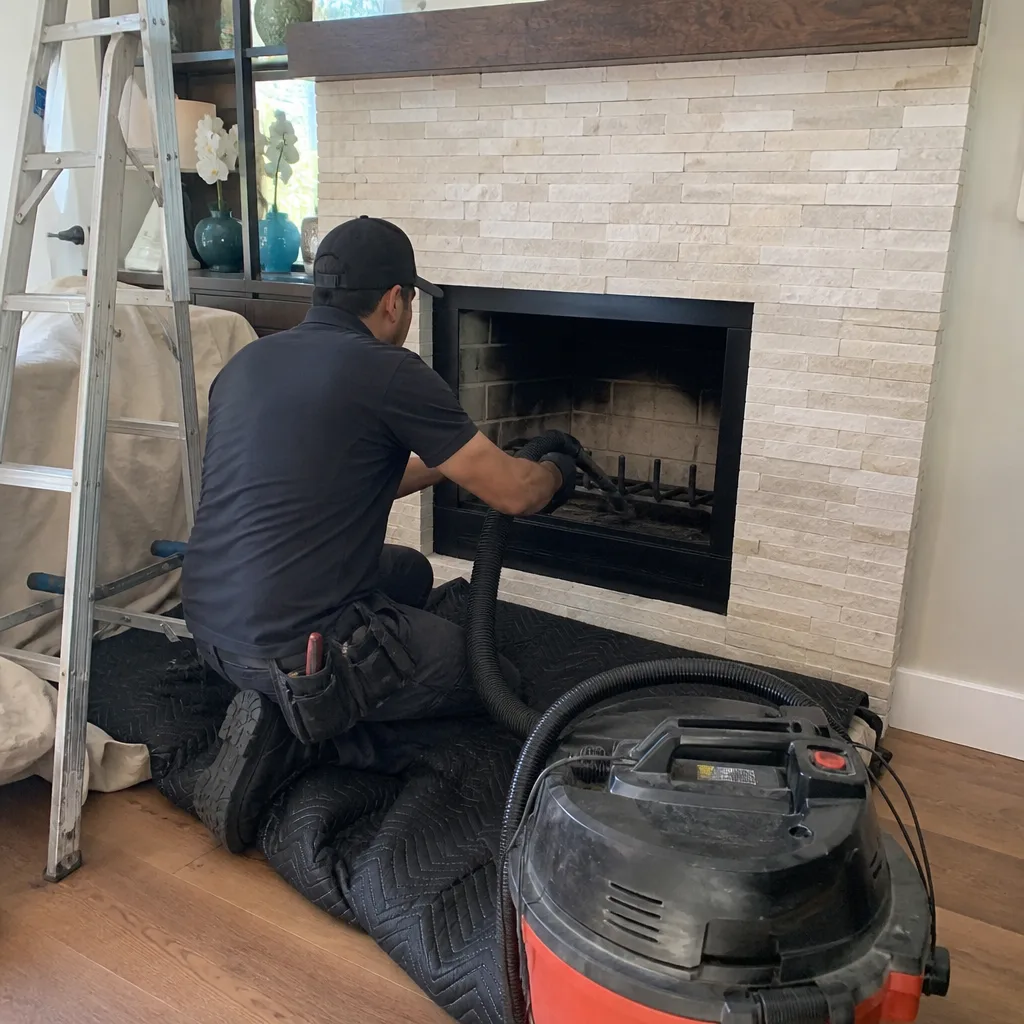
Level 1 sweep and inspection to the NFPA 211 annual standard - flue, crown, cap, and flashing checked and photographed
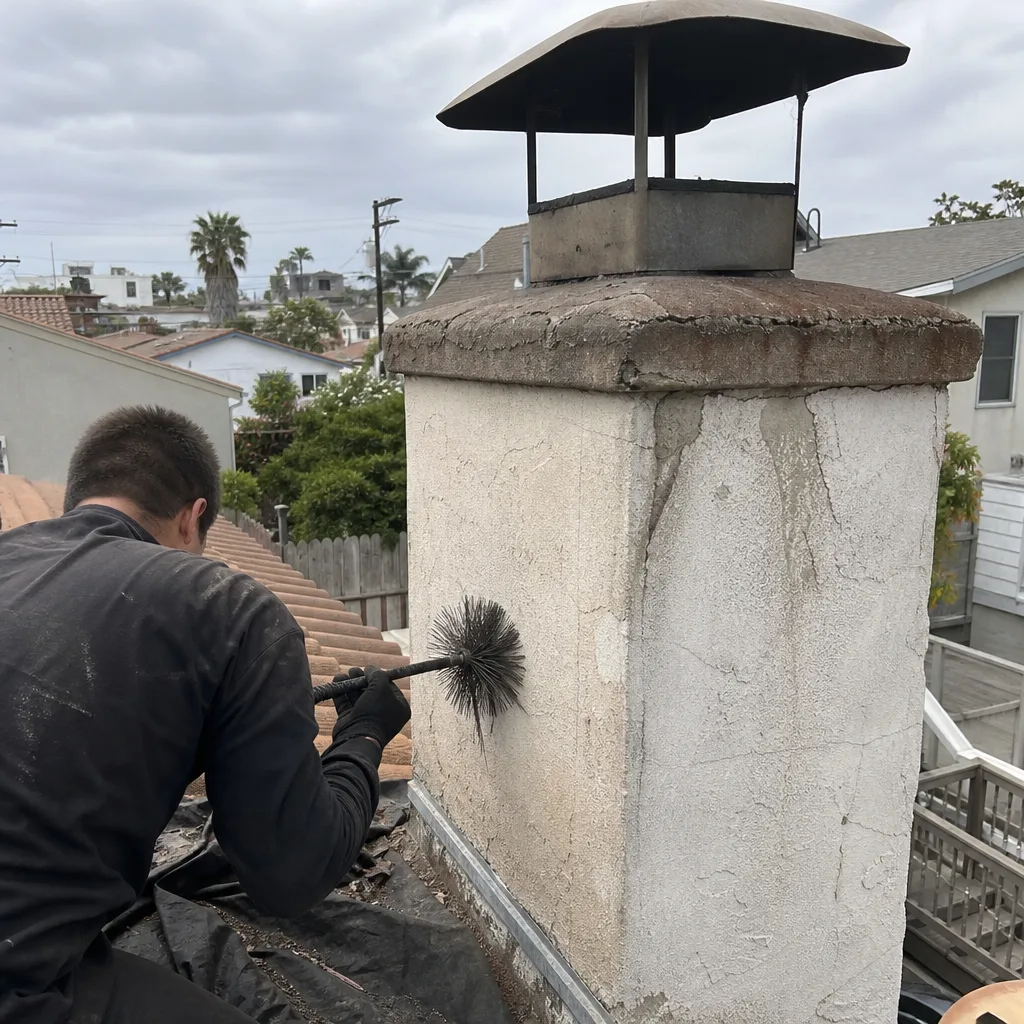
Chimney sweep logs do not sweep chimneys. They loosen some creosote - which then falls where a brush and vacuum still have to collect it.
Chimney Cleaning Warning Signs: A Pacific Beach Homeowner’s Reference Guide
A musty fireplace smell on a damp Pacific Beach morning isn’t just unpleasant. It’s the chimney telling you moisture is passing through a breach in the liner or crown, and the damage is already in progress. Most homeowners never get up on the roof to look, and they don’t need to. The chimney talks from ground level if you know how to listen. The smells, the stains, the way smoke behaves on a windy afternoon: each one is a data point. This guide teaches you to read them the way a technician does, so a $200 sweep doesn’t become a $4,000 liner replacement.
Styles & brands we work with
- Sweep & inspection
- Caps & crowns
- Flue relining
- Masonry repair
- Gas fireplace service
Quick Answer
Chimney cleaning warning signs in Pacific Beach fall into three categories: odor changes (acrid creosote, musty dampness, or animal smells), visible staining on the chimney exterior (white efflorescence, rust streaking, or dark soot trails), and draft behavior changes (smoke rollout, slow ignition, downdrafts). Any of these warrants a professional inspection, and most indicate conditions that a standard sweep alone cannot resolve.
Table of Contents
- Odor Mapping: What Your Nose Knows About the Flue
- Exterior Staining Guide: Reading the Masonry
- Draft Warning Signs: Smoke, Ignition, and Downdrafts
- Ground-Level Visual Inspection: What to Look For Without a Ladder
- “It’s Always Done That”: Normalizing Symptoms vs. Tracking Progression
- Moisture and Coastal Salt: How Pacific Beach Air Accelerates Damage
- Dryer Vent Warning Signs Most Chimney Companies Won’t Check
- Common Mistakes to Avoid
- When to Call a Professional
- Frequently Asked Questions
- The Bottom Line
Odor Mapping: What Your Nose Knows About the Flue
Odor is the earliest warning sign a chimney gives, and it’s also the one homeowners learn to ignore fastest. Pacific Beach homes with fireplaces used seasonally are especially prone because stagnation lets odor compounds concentrate. But not all fireplace smells mean the same thing. A technician’s first diagnostic question is always: what does it smell like, exactly? The answer points to a completely different repair path.
Acrid, sharp, smoky smell (creosote). Creosote is the condensed byproduct of wood combustion. It accumulates on the flue walls with every fire. In a confined space like a chimney, even a moderate layer of glazed creosote produces a smell like hot asphalt or burnt tar, especially when humidity rises. In coastal air, the smell intensifies because moisture wicks into the creosote and releases volatile compounds. This is a cleaning issue first and a structural issue second. If the creosote is thick or glazed, it cannot simply be brushed out. The flue walls underneath may already be compromised.
Musty, earthy, damp-cellar smell (moisture intrusion). This is the one Pacific Beach homeowners report most often and it is never a cleaning issue. A musty smell from the firebox means water is entering somewhere above: a cracked crown, failed flashing at the roofline, a rusted chase top, or a liner with a breach. The smell is mold and mildew growing in the porous masonry and the creosote residue. Critically, the moisture is passing through the flue system, which accelerates liner corrosion and fractures masonry through freeze-thaw cycles even in mild climates. If the fireplace smells like a wet basement on a dry day, schedule an inspection before the next rain.
Sour, gamey, or rotten smell (animal intrusion). Raccoons, squirrels, birds, and in Pacific Beach, sometimes rats, find open chimneys to be ideal nesting cavities. The smell of a deceased animal is unmistakable and prompts immediate action. But the subtler sign is a live nest: a sour ammonia-like odor from droppings, or a faint gamey smell that comes and goes. Animal intrusion is both a blockage hazard and a health issue. The debris has to be removed professionally, the flue inspected for damage, and a proper cap installed. This falls under the full-service umbrella: if you call a Chimney Sweep in Pacific Beach, ask whether they handle animal debris removal and cap installation on the same visit. Many do not.
Exterior Staining Guide: Reading the Masonry
Walk around the outside of your house and look at the chimney from the ground. You don’t need a ladder. The stains on the brick, stucco, or stone tell a very specific story about what’s happening inside the system. Pacific Beach’s coastal fog and salt-laden air make these stains appear faster and more vividly than inland.
White, chalky streaks (efflorescence)
Efflorescence is white or greyish crystalline deposits on the masonry surface. It happens when water enters the brick or mortar, dissolves internal salts, migrates outward, and evaporates leaving the salt behind. Efflorescence itself is cosmetic, but its cause is not. Water entering the chimney structure from above or through porous masonry is a slow, progressive structural issue. In Pacific Beach, the constant alternation between damp marine air and dry sunny afternoons accelerates the salt migration. The stain is telling you: water is inside the wall. That water weakens mortar joints, corrodes internal metal components, and shortens liner life. A Chimney Repair in Pacific Beach professional can trace the water entry point: crown, flashing, or masonry absorption.
Rust-colored streaks (metal corrosion)
Rust streaking running down from a chimney cap, a damper, or the upper masonry courses means a metal component is actively corroding. It could be a steel liner, a damper assembly, or a chase top. Rust streaks often begin faint and progress to deep orange or brown. The source is always moisture, and the consequence is eventual component failure. A rusted damper seizes open or shut. A rusted liner develops pinhole breaches that allow heat and gases to escape into the chimney cavity. In a coastal environment, salt air accelerates this corrosion dramatically. If you see rust streaks, don’t wait for a failure. The component needs to be assessed and potentially replaced, often with a product designed for marine exposure, like a stainless steel damper or a DuraFlex liner system.
Dark soot trails or black staining
Dark staining around the chimney crown, along the flue terminus, or streaking down the exterior usually means one of two things: smoky exhaust is not drafting cleanly and is condensing on the masonry, or creosote has built to the point where it’s leaching through. In some cases, soot staining at the top of the chimney indicates an undersized flue or an obstruction. In others, it’s a sign that fires are burning too cool and producing excess smoke that condenses before it exits. The remedy is a professional cleaning and a draft assessment. Soot is also flammable. Never power wash it off without first addressing the internal cause.
Draft Warning Signs: Smoke, Ignition, and Downdrafts
A chimney is an engine. It runs on pressure differential: warm air rising through the flue pulls combustion byproducts out of the house. When that engine misfires, the signs are visible at the firebox, long before any structural damage is apparent. Draft problems split into two categories. Cleaning issues cause mechanical blockages or surface friction. Structural issues change the shape, size, or integrity of the flue itself. Pacific Beach’s ocean-adjacent landscape creates some odd draft behavior. Wind patterns off the water can pressurize the top of a chimney differently than inland locations, causing intermittent backdrafting that homeowners often write off as a quirk of the house.
Smoke rollout at startup
When you light a fire and smoke spills into the room instead of rising up the flue, the chimney is not drafting. At startup, the flue is cold, and cold air is dense and heavy. If you have a thick creosote layer, an obstruction, or a clogged spark arrestor, the flue cannot overcome that initial thermal barrier. Light smoke rollout that resolves within a minute or two is common. Persistent rollout that forces you to open a window or fan the room is a sign of a serious draft obstruction. The fix may be as simple as a cleaning, but it may also indicate a flue that is too large for the appliance, or negative house pressure from an exhaust fan or HVAC system pulling air backward through the chimney. See our Chimney Sweep Troubleshooting: Common Problems and How to Fix Them for deeper diagnostics.
Slow or difficult fire ignition
If the fire takes a long time to catch, produces weak flames, or tends to smolder, the appliance is not getting sufficient combustion air. Check the obvious things first: is the damper fully open? Is the firewood dry? If those are fine, the issue often lies in the flue. A partially blocked flue, a closed top-sealing damper that is not opening fully, or creosote-caked flue walls all restrict airflow. Slow ignition is not just annoying. Incomplete combustion produces more creosote per fire, which then accelerates the blockage. It’s a self-reinforcing cycle that a professional cleaning breaks.
Downdraft odor on windy days
This is the classic Pacific Beach complaint: on certain windy days, the fireplace or wood stove smells like cold smoke, even when no fire has been lit in a while. The wind is moving across the chimney top in a direction that forces outside air down the flue, carrying the odor of accumulated creosote into the living space. The immediate cause is aerodynamic: the chimney cap or flue termination is not handling prevailing wind patterns. But the underlying issue is usually a creosote deposit that has had time to build. A clean flue still allows downdrafts, but it smells much less. The structural fix, when needed, is a properly sized cap or a taller flue termination. The cleaning fix is straightforward. Chimney cleaning in Pacific Beach homes with this specific symptom is one of our most common calls.
Ground-Level Visual Inspection: What to Look For Without a Ladder
You can safely assess a lot from the sidewalk or backyard. Here is a step-by-step routine we use with every Pacific Beach homeowner who calls in about a potential chimney issue. It takes about five minutes, and it gives whoever you call next a shared vocabulary. If you are part of a homeowner association that restricts ladder or roof access, this ground-level inspection is your primary tool.
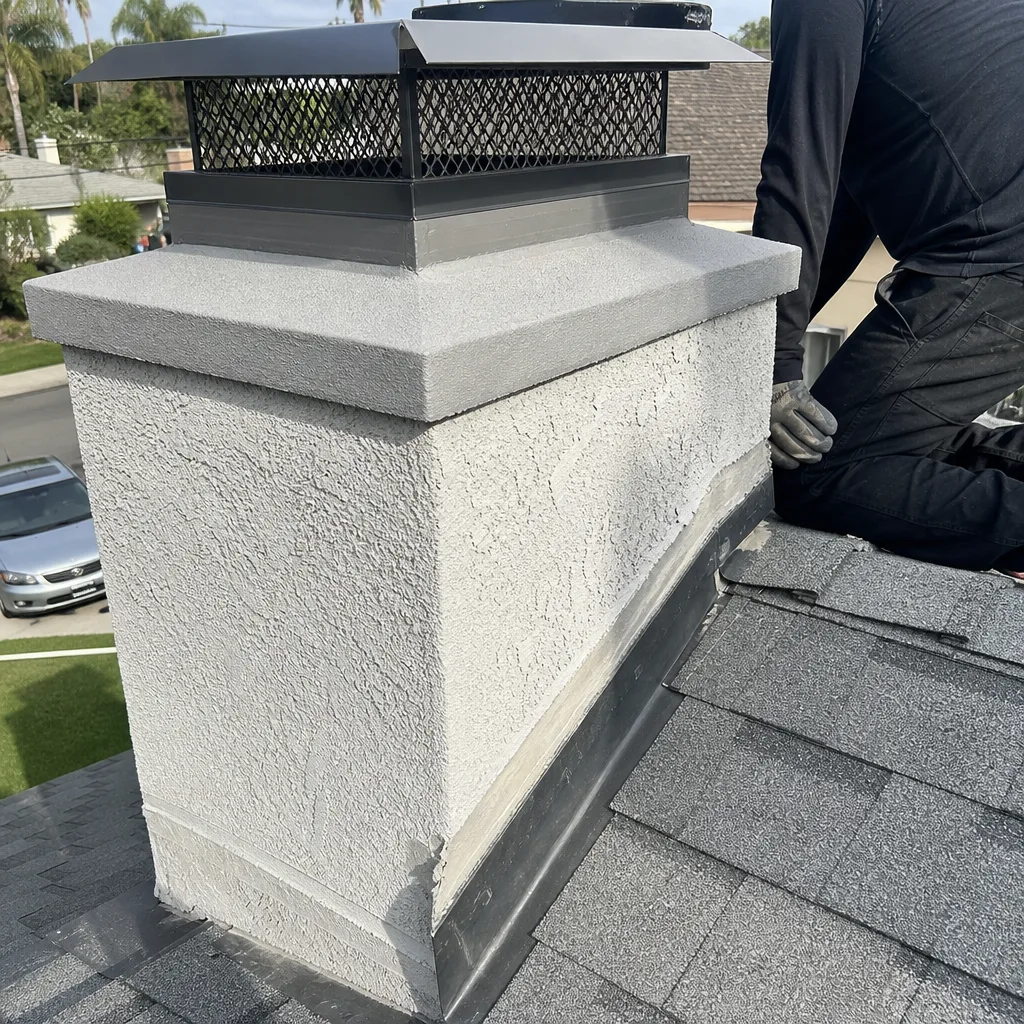
- Look at the crown. From the ground, squint at the top of the chimney. The crown is the concrete or mortar cap that seals the top edge. It should have a slight slope away from the flue with no visible cracks, gaps, or moss. Cracked crowns are the number one cause of the musty fireplace smell in Pacific Beach. The constant moisture and salt exposure takes a toll on standard mortar crowns.
- Check for a cap. A Rooftop chimney cap should cover the flue opening but not obstruct it. No cap means rain gets in directly, which accelerates everything else.
- Look for spalling. Spalling is flaking, chipping, or pitting on the brick face. Run your eyes over the entire chimney. Spalling means water has penetrated the masonry and is causing the surface to break apart. It gets worse every year, and coastal salt accelerates it.
- Scan for staining. Apply the exterior staining guide from earlier. White, rust, or black: each points to a different problem. Photograph what you find from multiple angles so you have a record to track changes.
- Examine the flashing. Flashing is the metal seal where the chimney passes through the roofline. From the ground, you’re looking for gaps, lifted edges, or missing sections. If you can see daylight through a flashing joint, water is getting in. Binoculars help here.
- Look at the mortar joints. Mortar should be a uniform grey, fully packed between the bricks. Dark voids, missing sections, or a soft, sandy texture mean the mortar is deteriorating. The technical term is re-pointing, and a deteriorating joint is a water entry point.
- Listen and smell. Stand near the chimney exterior on a damp morning. Do you smell damp masonry? Does the brick look darker in patches after rain? Both indicate active moisture absorption and the need for waterproofing or masonry repair.
Record the date and what you observed. The next step is a professional camera inspection, which confirms what the exterior evidence suggests. In our experience, what a homeowner sees from the ground and what the camera shows inside the flue are usually the same story told from two angles.
“It’s Always Done That”: Normalizing Symptoms vs. Tracking Progression
Every chimney technician has heard some version of this sentence at every house they’ve ever visited. “The fireplace has always smelled a little musty.” “There’s always been a little smoke when we light it.” “That crack’s been there since we bought the place.” The statement is always true. The implication is always false. The fact that a symptom has been present for years does not make it stable. It usually means the symptom is progressing slowly enough that the homeowner has adapted to it. The crack that was hairline and unnoticeable in year one is the crack letting rainwater into the living room ceiling in year eight. The trick is learning to distinguish a stable condition from a progressing one.
A stable condition does not change, ever. A hairline crack in the crown that photographs exactly the same way three years apart is stable. A patch of efflorescence that washes away in the rain and reappears at exactly the same size is likely stable. A faint creosote smell that appears only on the first hot day after a cold snap and then fades is usually just thermal expansion releasing trapped odor compounds. Stable conditions still deserve professional attention, but they are not emergencies. A progressing condition, on the other hand, is a time-lapse video running in slow motion. And it’s a video that always ends the same way.
Progression looks like this: the crack is wider this year than last year. The efflorescence patch is larger. The musty smell now appears in summer, not just winter. The smoke rollout happens on calm days now, not just windy ones. The ground-level inspection photos from one year to the next tell the story. When you compare side by side, the direction is clear. A progressing condition needs a professional evaluation before the next rainy season. In Pacific Beach, the rainy season is shorter and milder than inland, but the coastal moisture assaults the chimney every single morning, 365 days a year. The lion’s share of structural damage we find is not caused by dramatic storms. It’s caused by decades of daily ocean-mist exposure, working into micro-fractures that a homeowner never sees from the ground.
Moisture and Coastal Salt: How Pacific Beach Air Accelerates Damage
Pacific Beach is not like the rest of San Diego when it comes to chimney longevity. Inland chimneys deal with occasional rain. Pacific Beach chimneys deal with a daily marine layer, persistent high humidity, and salt aerosol carried in the breeze. Salt is the great accelerant of masonry decay. It absorbs moisture from the air, which then penetrates deeper into the brick and mortar. When the morning fog burns off and the sun dries the surface, the salt recrystallizes inside the pores of the masonry. Those crystals push outward with surprising force, tearing at the material from within. This is the same mechanism that rusts cars faster near the ocean and the same reason a 10-year-old Pacific Beach chimney can look 25 years old.
The moisture itself creates a second path of damage. Condensation inside the flue is more common in coastal homes because the temperature differential between the interior of the house and the damp exterior air creates a dew point on the flue walls. That condensation mixes with creosote residues, creating an acidic slurry that corrodes steel liners and eats at mortar joints. In a stainless liner, the damage shows up as rust streaking on exterior surfaces or, if the liner is visible, as pinhole corrosion. In a terracotta tile liner, the damage shows up as spalling, where the interior surface of the tile flakes away.
The coastal factor is the reason we name the materials we use. A hardware-store chimney patch product is formulated for general conditions. A chimney in Pacific Beach lives in a marine environment. The products we use, including HeatShield resurfacing, are designed for long-term performance in exactly these conditions. HeatShield can add years to a compromised liner without a full replacement, and its application is a legitimate repair, not a cover-up. For a liner that has failed beyond the point of resurfacing, a DuraFlex flexible liner installation restores the full structural and functional integrity of the flue. These are materials stocked by professional chimney trade suppliers, and we name them because you should know exactly what’s going into your home.
Dryer Vent Warning Signs Most Chimney Companies Won’t Check
Your dryer vent is a chimney system in miniature. It exhausts hot, lint-laden air from the dryer to the outside. And it fails in many of the same ways a chimney fails: blockage from accumulated debris, airflow restriction from poor design, and moisture damage from condensation. Most chimney companies do not inspect or clean dryer vents. It’s outside their scope. We do, because a blocked dryer vent is one of the most common and preventable causes of residential fires, and because the warning signs overlap so heavily with chimney warning signs that homeowners often misattribute them.
The warning signs are straightforward. Drying time that has slowly increased from 40 minutes to 70 minutes. A dryer that is hot to the touch on the outside. A burning smell when the dryer is running. Lint accumulating on the exterior vent flap or around the dryer itself. A room that feels unusually humid or warm during a dry cycle. Any of these indicate restricted airflow. The dryer is working harder, running longer, and producing more heat inside the vent. That heat partially dries the lint into a crust, which then insulates the rest of the lint, which then traps more heat. The cycle feeds itself. The same coastal moisture that complicates chimney systems also plays a role here. Lint absorbs moisture from the damp Pacific Beach air, making it denser and more likely to compact rather than pass through the vent.
If you’re already scheduling a chimney cleaning, ask whether the company handles Dryer Vent Cleaning in Pacific Beach. You may be able to resolve both issues in one visit rather than coordinating separate contractors. The vent is a fire risk, and the chimney is a fire risk, and treating them as one combined system of home ventilation is the right way to think about it.
Common Mistakes to Avoid
- Assuming a cleaning fixes everything. A sweep removes creosote and debris. It does not repair a cracked crown, a rusted damper, a leaking flashing joint, or a deteriorating liner. If the cleaning reveals structural damage, the job is not finished. Ask for camera inspection photos so you can see the actual condition for yourself.
- Ignoring a musty smell because the fireplace isn’t used. An unused fireplace is often the dampest one. Moisture accumulates because there’s no fire to dry it out, and the musty smell becomes permanent. This is a water intrusion signal, not a housekeeping issue.
- Painting over efflorescence. A coat of masonry paint hides the symptom and traps the moisture inside, where it continues to degrade mortar and brick. The water source has to be addressed first, or the paint will fail in a season or two anyway.
- Power washing a masonry chimney. High-pressure water drives moisture deep into the brick and accelerates spalling. Never power wash a chimney that has not been professionally assessed. It creates new damage while making the old damage look cleaner.
- Burning aromatic fire starters or trash to “clean” the chimney. Some products promise to burn creosote away. They don’t, and some accelerate moisture absorption. The only effective cleaning is mechanical: a proper brush through the flue by someone who then inspects the result.
- Deferring repairs until “before burning season.” In Pacific Beach, burning season is less defined than in colder climates, and the real damaging agent is the daily coastal moisture, not winter cold. A crack leaking moisture today is doing damage today, regardless of whether you ever light another fire.
- Assuming smoke alarms cover dryer vent risk. Smoke alarms alert you after a fire has started. They do nothing to prevent lint ignition inside the wall. The prevention is regular vent cleaning and inspection.
When to Call a Professional
Call a professional when you see rust streaking, spalling brick, widening cracks, or water stains on the ceiling near the chimney. Call when smoke rolls into the room consistently, when the fire struggles to start even with dry wood and an open damper, when the musty smell persists in dry weather. Call when you have not cleaned the chimney in over two years and you burn more than a couple of fires a season. Call when a home inspection report flags a chimney issue, even if the seller said it was minor. And call when you suspect animals have been using the flue, because the removal is never the end of the job; the damage behind the nest is the issue.
Chimney Sweep Pacific Beach offers free estimates in Pacific Beach. We’ll inspect, show you the camera footage, and tell you plainly what needs cleaning, what needs repair, and what can wait. Call (866) 282-7711 to schedule. The estimate is free, and the information is yours either way. For an overview of how this fits into the broader work we do, start at our Chimney Sweep Pacific Beach home page.
Frequently Asked Questions
A standard chimney sweep in Pacific Beach typically costs between $180 and $350 depending on flue size, accessibility, and the amount of creosote present. Heavily glazed creosote or animal debris removal adds cost because it requires specialized tools and additional labor. Call (866) 282-7711 for an exact quote based on your chimney, and the estimate is free.
The National Fire Protection Association recommends a sweep whenever 1/8 inch of creosote accumulation is present, which for most actively used fireplaces works out to annually or every other year. In Pacific Beach, coastal humidity makes even modest creosote deposits more odorous and more corrosive, so an annual professional inspection is the strongest habit.
You need a new liner only if the current one has breached: cracks, gaps, spalling, or pinhole corrosion that a camera inspection confirms. Before a full replacement, HeatShield resurfacing can often restore a compromised liner at a fraction of the cost. HeatShield is not an upsell; it’s a legitimate repair-tier service that extends liner life. We show you the camera footage so you can see the condition yourself.
Creosote builds in layers, and each burning season bakes the previous layer into progressively denser, more flammable deposits. Blockage restricts draft, forcing smoke and carbon monoxide into the living space. In Pacific Beach, environmental moisture combines with that creosote to create an acidic, corrosive environment that accelerates liner deterioration. The skipped cleaning becomes a repair in a few short years.
From the ground, you cannot access the upper flue surfaces where creosote accumulates, and the flue requires specialized brushes sized to the liner. More importantly, a professional cleaning includes a full inspection of the structural components, and it’s the inspection that catches the moisture intrusion before it becomes a roof leak. In our experience, do-it-yourself cleanings routinely miss liner damage that a camera inspection reveals.
Warm summer air outside the house and cooler air-conditioned air inside create a thermal inversion that pushes air down the flue, carrying the odor of accumulated creosote into your living room. The same pressure dynamic drives cold smoke odor on windy days. A professional cleaning reduces the odor dramatically, and a properly fitted cap addresses the draft issue.
The Bottom Line
Your chimney is the only system in your Pacific Beach home that is expected to contain fire, exhaust toxic gases, manage water intrusion, and maintain structural integrity, all while sitting fully exposed to coastal moisture and salt 365 days a year. The warning signs are there before the failure. Odors, stains, slow drafts, the subtle changes that homeowners wave off as normal. Reading them early means the difference between a cleaning and a reconstruction. The specific professional-grade materials matter: HeatShield for liner resurfacing, DuraFlex for relining, and a proper Chimney Repair in Pacific Beach approach that addresses cause, not symptom. We use the same product lines professional chimney contractors rely on, not what’s on the hardware store shelf. And we’ll show you the camera footage so you always know exactly what we saw. Call (866) 282-7711 when you’re ready for a professional look at the system that protects your house.
Written by the team at Chimney Sweep Pacific Beach, serving Pacific Beach since 2012.
See the difference
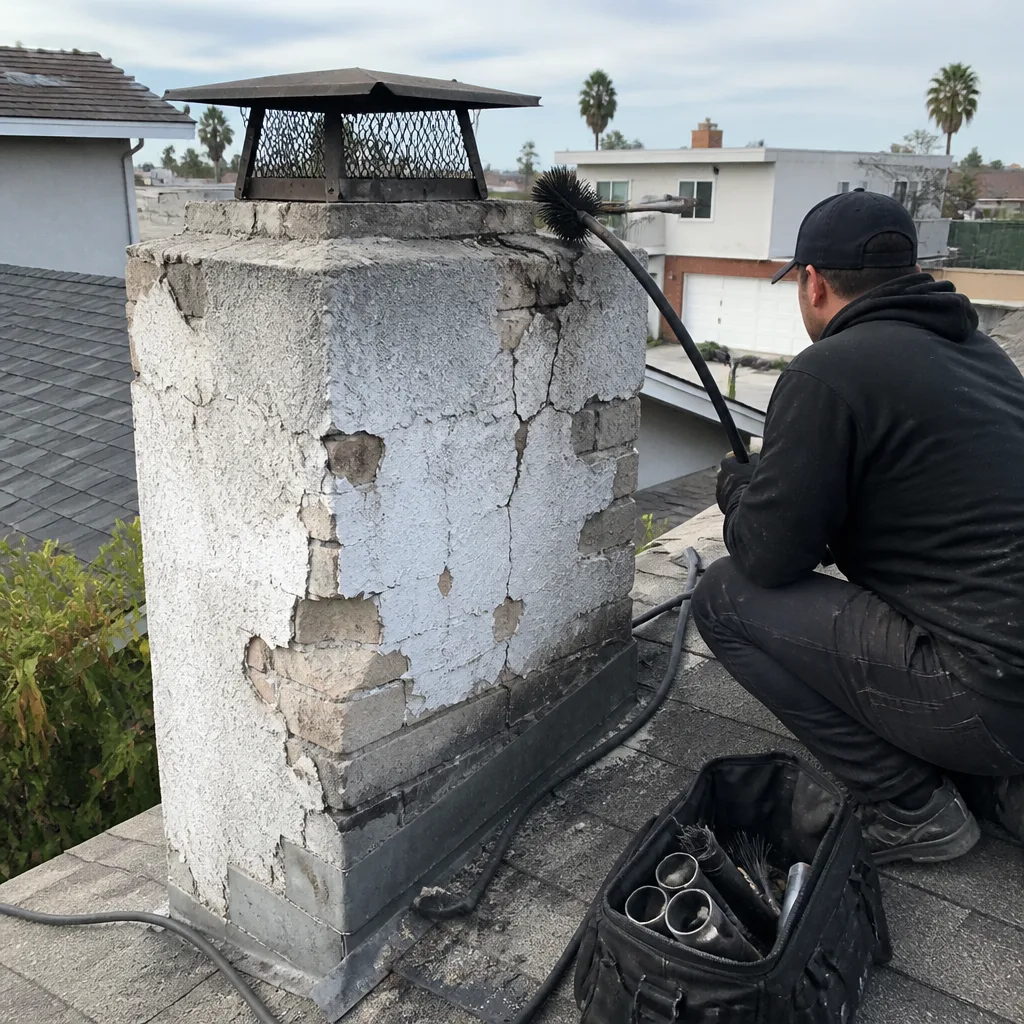 Before
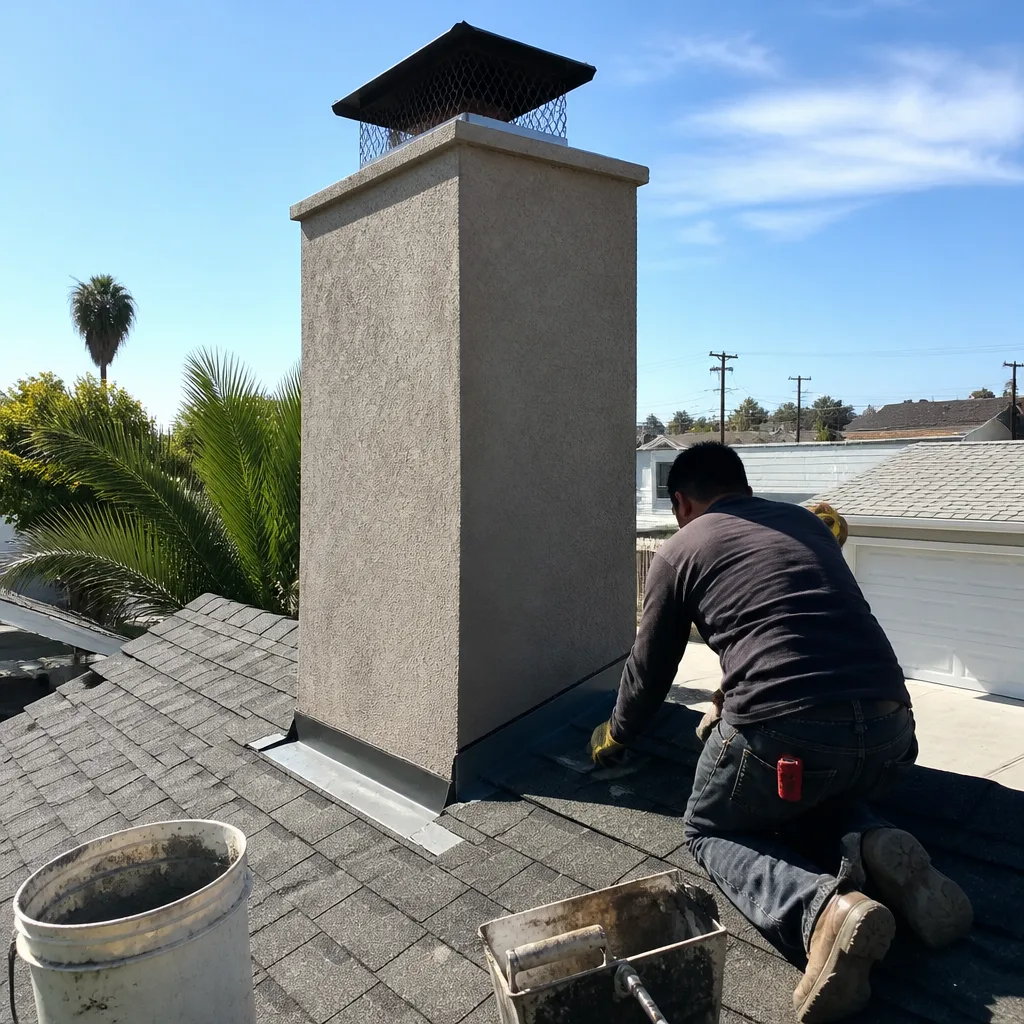 After
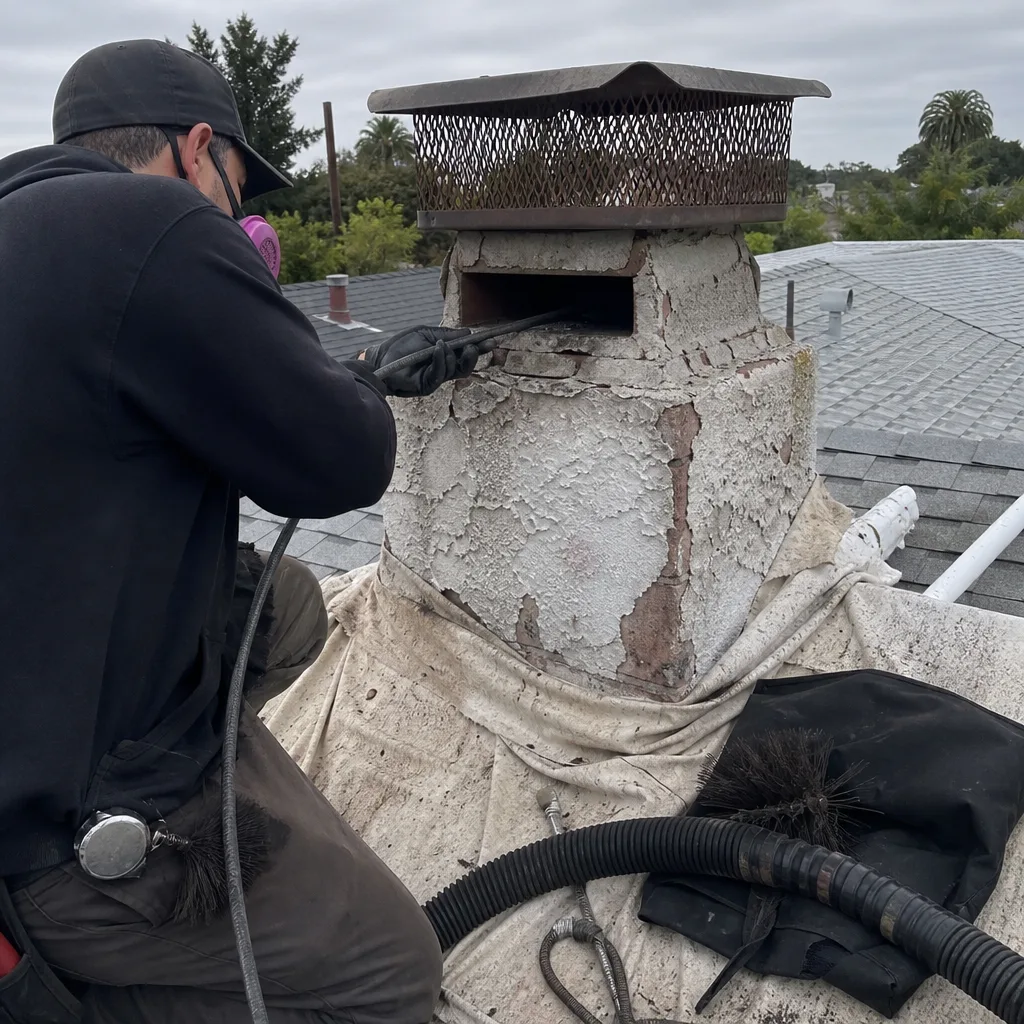 Before
 After
 Before
 After