
Last updated November 2, 2026
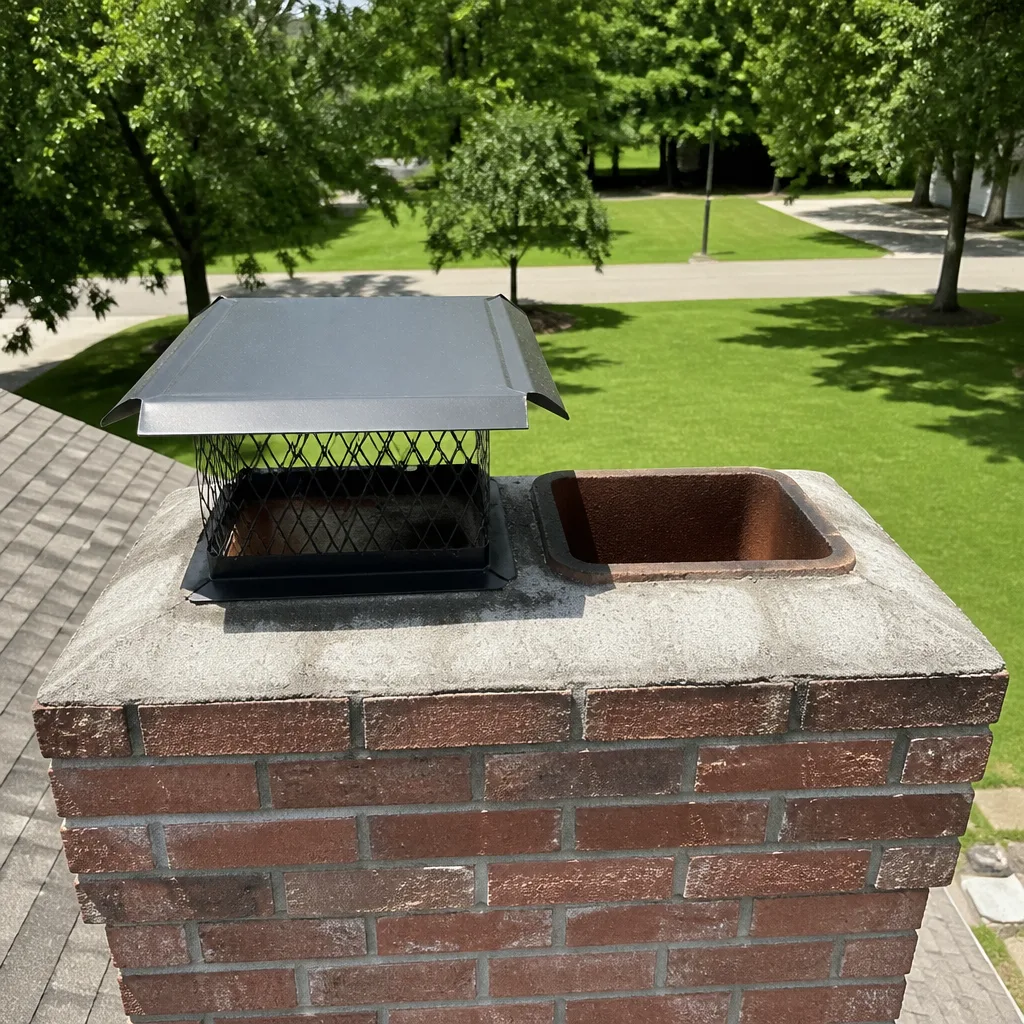 Sweep & inspection
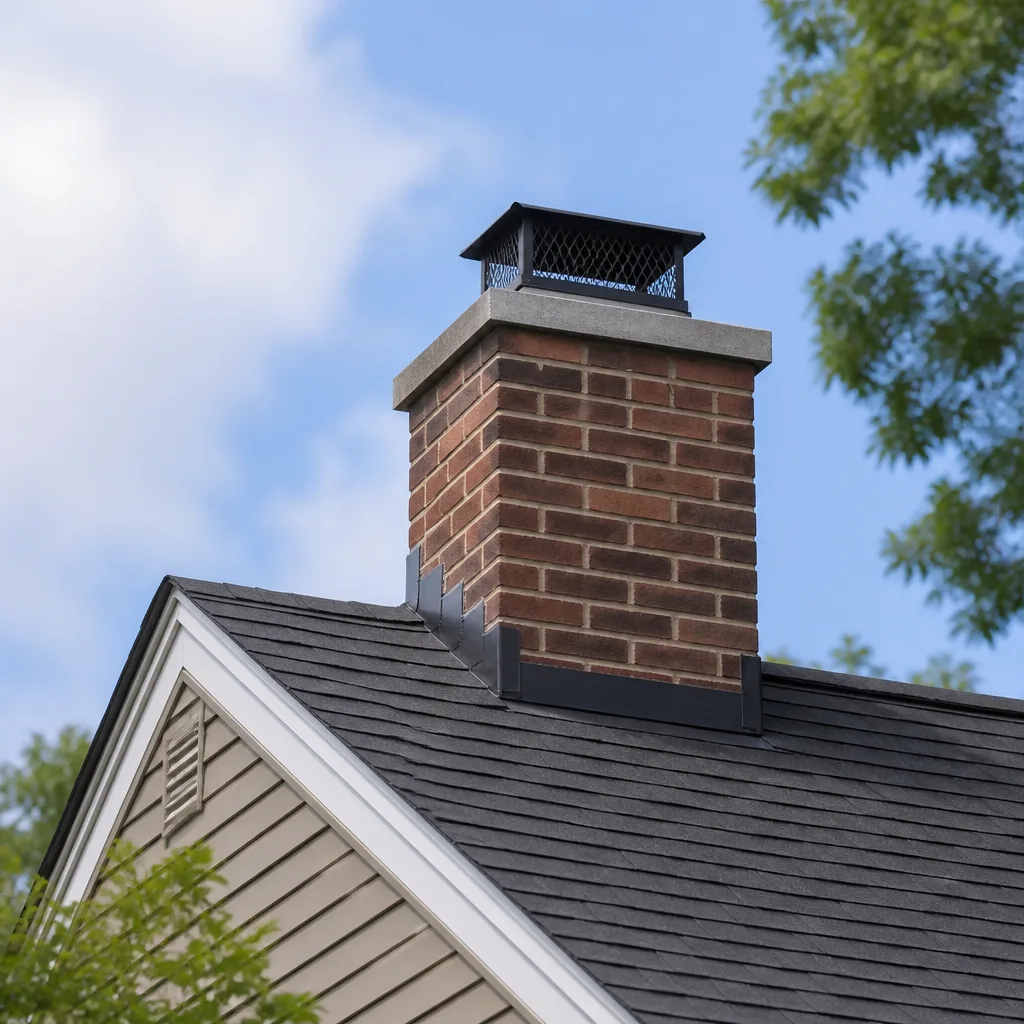 Caps & crowns
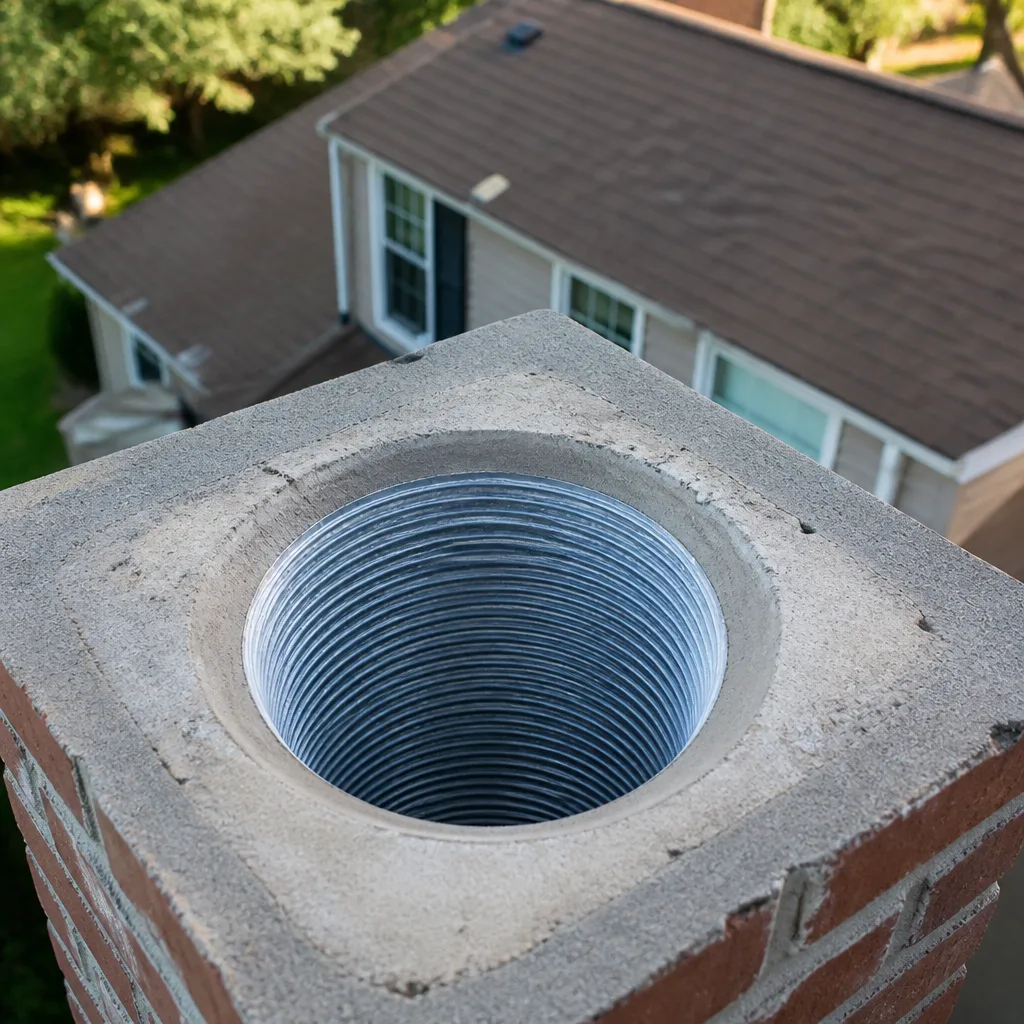 Flue relining
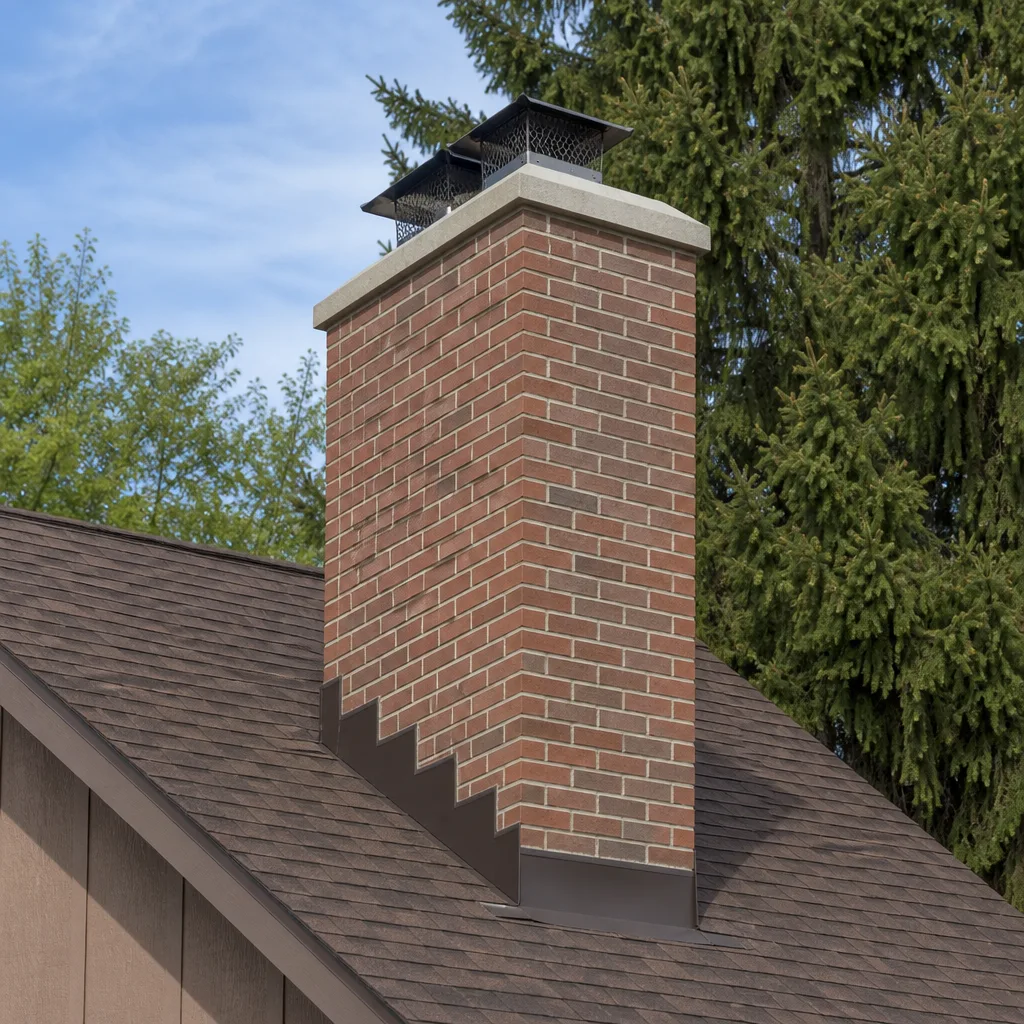 Masonry repair
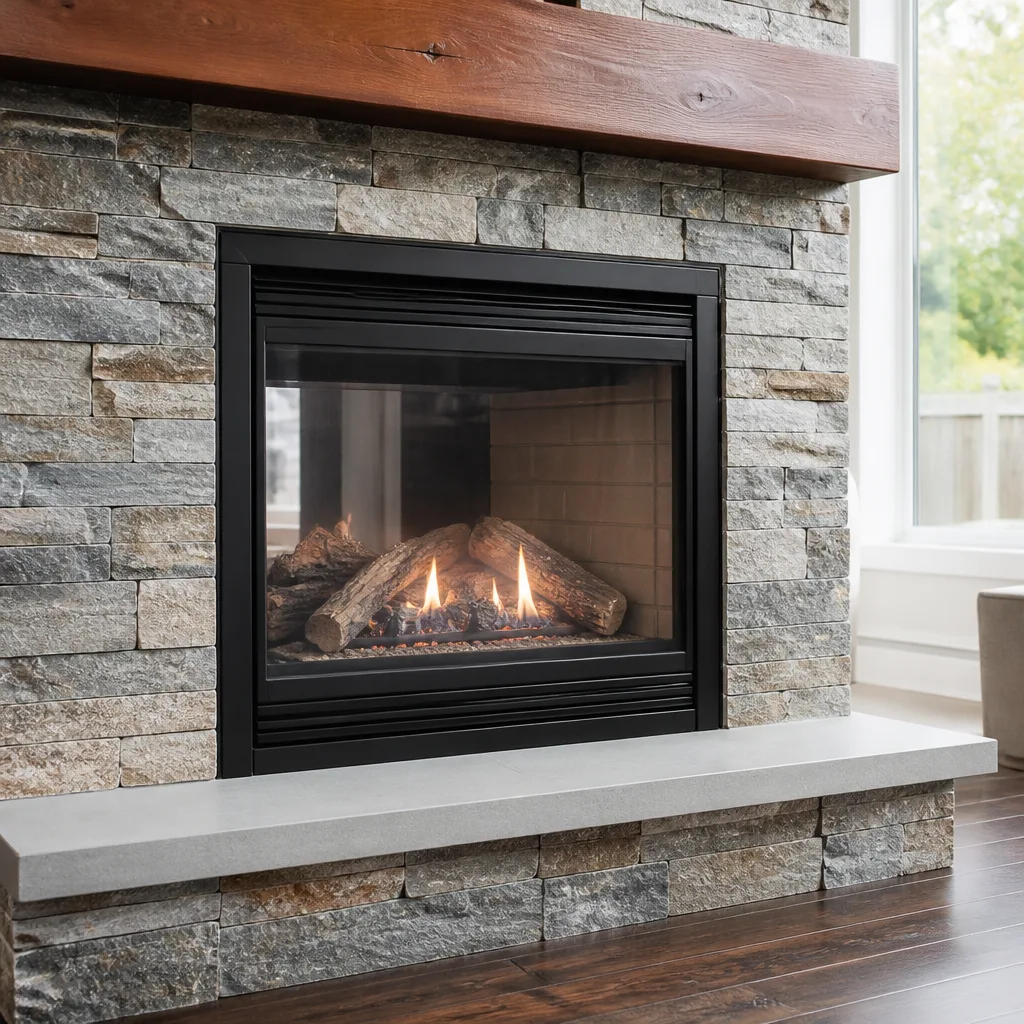 Gas fireplace service
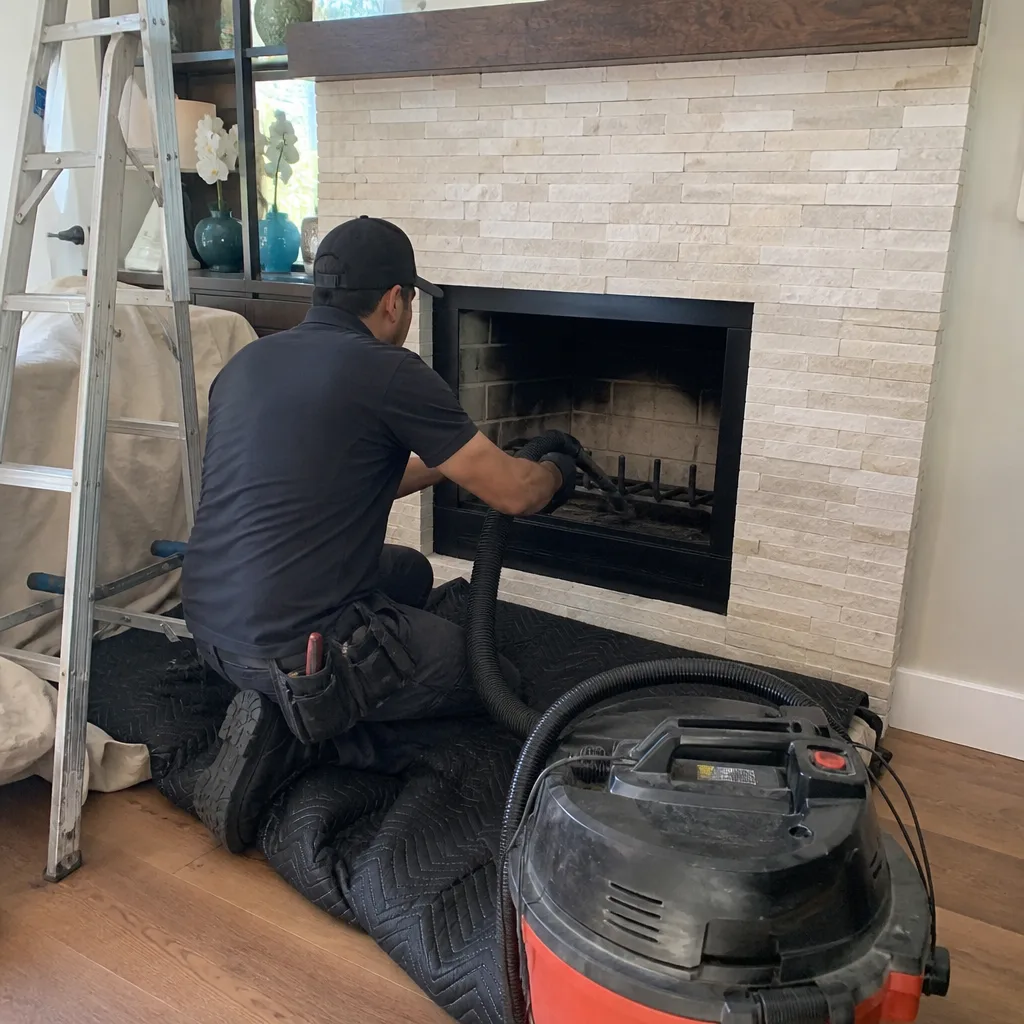
Level 1 sweep and inspection to the NFPA 211 annual standard - flue, crown, cap, and flashing checked and photographed
Chimney sweep logs do not sweep chimneys. They loosen some creosote - which then falls where a brush and vacuum still have to collect it.
Chimney Cleaning Permits, Codes & Inspections in CA: What You Need to Know
Most Pacific Beach homeowners assume a chimney sweep is like a window washer: someone shows up, does the job, and leaves. Then a liner cracks, a firebox needs rebuilding, or a seller’s disclosure form asks whether any work was done without a permit, and the whole picture changes. A routine sweep rarely triggers any paperwork in California. A liner replacement almost always does. This guide maps exactly where that line falls under the California Building Code, how San Diego County enforces it, and what an inspection report is actually for. If you own a fireplace in Pacific Beach, this is the regulatory landscape you’re already living in. For more guides & resources, visit our blog.
Quick Answer
Chimney cleaning itself does not require a permit anywhere in California, including Pacific Beach. The California Building Code (CBC Section 2113) and San Diego County amendments treat sweeping, brushing, and minor maintenance as non-permit work. Permits enter the picture when a technician repairs or replaces structural components: a chimney liner, a firebox, a chimney cap that changes venting, or any modification to the flue system. The safest way to know where your job falls is to have a contractor assess the chimney before work starts, not after an inspector flags it.
Styles & brands we work with
- Sweep & inspection
- Caps & crowns
- Flue relining
- Masonry repair
- Gas fireplace service
Table of Contents
- What California Code Actually Says About Chimneys
- How San Diego County Amends the State Requirements
- Permit-Required vs. Non-Permit Work: The Actual Line
- What an NFPA 211 Inspection Is (and Isn’t)
- Why Insurance Companies Now Ask for Inspection Reports
- How to Verify a Contractor Pulled the Right Permit
- What We See in Pacific Beach Specifically
What California Code Actually Says About Chimneys
The governing document is the California Building Code, and the section that matters is CBC Section 2113. It covers masonry chimneys from foundation to crown. Here’s what most homeowners never learn: the code doesn’t prohibit you from sweeping a chimney. It regulates construction, alteration, and repair. A brush passing through a flue doesn’t change the structure. A new stainless steel liner does.
CBC Section 2113 sets minimum clearances from combustible materials, requires that masonry chimneys have a flue liner, and specifies how dampers and cleanout doors must be installed. When a contractor replaces a clay tile liner with a flexible metal liner, that’s an alteration, and alterations trigger the California Administrative Code’s permit requirement. The code also references NFPA 211 as the standard for chimney construction and maintenance, which is why you’ll see that acronym on inspection reports and insurance requests.
In Pacific Beach, where 1950s and 1960s beach cottages still dominate many blocks, we regularly open chimneys that haven’t been touched since they were built. The original clay liners are often cracked at the first tile joint. That material fact changes the job: a sweep is still a sweep, but recommending a liner repair moves the conversation into regulated territory. A homeowner who hears “you need a liner” is about to hear “you need a permit” if the repair work is structural.
The practical consequence is this: cleaning and inspection are non-permit activities. Repair and alteration are permit activities. The gray zone lives in tasks like sealing a minor crack with a refractory caulk versus resurfacing large sections of the flue. We tell Pacific Beach homeowners the simplest rule we can: if a material is being removed and a new material of a different type is being installed, assume a permit applies until a contractor says otherwise in writing. For a full breakdown of routine tasks, see our Chimney Sweep Maintenance Checklist for Pacific Beach Homeowners.
How San Diego County Amends the State Requirements
California is a statewide building code state, meaning local jurisdictions can amend but not contradict the state code. San Diego County has done exactly that for chimney work: the county’s Building Permits Division follows state code but adds a layer of local interpretation on what counts as “repair” versus “replacement.” Guides written for Sacramento or the Bay Area will tell you the state law and stop there. That’s not enough for a Pacific Beach homeowner dealing with San Diego County’s Development Services Department.
The county treats chimney work that exceeds 50% of the market replacement value as a full replacement, not a repair. That threshold matters because a full replacement triggers additional requirements: compliance with current energy efficiency standards, potential seismic bracing, and in some cases a structural engineer’s review if the original chimney dates to pre-1980. A $3,000 liner repair in Pacific Beach can suddenly become a $12,000 full replacement if the county’s 50% rule applies.
San Diego County also requires that any permit holder be a licensed contractor with the California Contractors State License Board. That rule is universal in California, but the county’s enforcement has tightened since 2020, especially in coastal zones like Pacific Beach where older housing stock meets higher property values. Unpermitted work here doesn’t just risk a fine; during a sale, the county’s online permit history gets pulled, and a missing permit record for a major chimney alteration shows up as a disclosure problem.
One local detail we point out routinely: Pacific Beach sits in a coastal fire zone designation, which adds a wildland-urban interface code layer for exterior chimney and spark arrestor requirements. A chimney cap installed on a Pacific Beach home has to meet the county’s spark arrestor standard, which is stricter than the state minimum. We mention this because it’s the most common place a well-meaning general contractor from outside the county gets it wrong.
Permit-Required vs. Non-Permit Work: The Actual Line
Here’s the list we give Pacific Beach homeowners when they ask what requires a permit. This list aligns with San Diego County’s Building Permits Division interpretation of CBC Section 2113:
No Permit Required
- Chimney sweeping and brushing
- Visual inspections, camera inspections, and level 1 NFPA 211 evaluations
- Removing soot, creosote, or animal debris
- Installing or replacing a standard chimney cap with a like-for-like model that does not alter venting
- Minor masonry repair: repointing mortar joints on the exterior face where the structural integrity is not affected
- Sealing hairline cracks in the crown with a silicone or elastomeric sealant
Permit Required
- Replacing any section of a flue liner, clay or metal
- Installing a new flexible liner system, such as a DuraFlex liner
- Resurfacing a compromised flue using a product like HeatShield
- Rebuilding a firebox or smoke chamber
- Modifying the venting configuration, including converting from a wood-burning fireplace to a gas insert
- Replacing a chase cover or top plate that changes the overall venting system
- Any work classified as structural by the county’s 50% replacement rule
Let’s be direct about the HeatShield example, because it’s the one Pacific Beach homeowners misunderstand most often. HeatShield resurfacing involves pumping a refractory cement liner into the existing flue to create a new smoke-tight surface inside the old one. That is a repair in the product’s own technical literature, but San Diego County treats it as an alteration because it changes the flue’s material and dimensional characteristics. If a contractor tells you a HeatShield job doesn’t need a permit in San Diego County, ask them to put that in writing and verify it against the county’s permit lookup. In our experience, that claim doesn’t survive contact with the Development Services Department.
What an NFPA 211 Inspection Is (and Isn’t)
NFPA 211 is the National Fire Protection Association standard for chimneys, fireplaces, vents, and solid fuel-burning appliances. It defines three levels of inspection. Level 1 is a visual check of the readily accessible portions of the chimney, required during routine sweeps. Level 2 adds a camera scan of the interior flue and is required when the property is being sold or transferred, when a fire or weather event may have damaged the chimney, or when changes are made to the heating system. Level 3 is a partial teardown to inspect hidden areas and is rarely performed.
An NFPA 211 inspection report is not a permit or a building inspection. It’s a condition assessment performed by a qualified chimney professional. The report will describe the chimney’s condition, list deficiencies, and recommend repair or replacement work. A building inspector from San Diego County verifies code compliance after a permit is pulled; an NFPA 211 inspector verifies fire safety condition. They serve different functions, and neither substitutes for the other.
We write a lot of NFPA 211 Level 2 inspection reports for Pacific Beach homes, especially during escrow. Buyers want to know what they’re inheriting. Sellers want a clean report before a buyer uses chimney condition as a negotiation lever. It’s become standard practice for real estate agents in Pacific Beach to order one before listing a home with a fireplace. The report is worth what it reveals: a cracked liner, a missing rain cap, a bird- or rat-blocked flue. Any of these becomes a repair item, and the repair often becomes a permit trigger.
Why Insurance Companies Now Ask for Inspection Reports
Since 2019, we’ve watched California insurance carriers tighten underwriting for homes with wood-burning fireplaces. Pacific Beach homes, with their older construction and coastal exposure, get particular scrutiny. A standard home insurance policy now frequently requires one of three things when a fireplace is present: a recent NFPA 211 inspection, documented chimney cleaning within the past 24 months, or proof that the home was built after specific code updates.
The driving force is claims data. Chimney fires and carbon monoxide incidents from blocked flues are costly and frequent enough that underwriters treat a wood-burning fireplace as a measurable risk. Some carriers in San Diego County now require a Level 2 camera inspection before renewing a policy on a home built before 1980. If the inspection shows a cracked liner or creosote buildup, the carrier will either decline coverage or require the repair to be completed with a permit and re-inspected.
What does that mean for you? If you own a pre-1990 fireplace in Pacific Beach and haven’t had the chimney inspected in the last three years, you may be one insurance renewal away from a problem. The fix is often straightforward: book a sweep and Level 2 inspection, deal with whatever the camera reveals, and keep the documentation. If a repair is needed and a permit is required, pull it through the county before the work starts. Retroactive permits are harder to obtain and some carriers won’t accept them.
How to Verify a Contractor Pulled the Right Permit
Never take a contractor’s word that a permit was pulled. You can verify it in under five minutes through the San Diego County Development Services Department’s online permit lookup. Here’s the step-by-step:
- Go to the San Diego County DSD website and find the “Permit Lookup” or “Building Permits Online” portal
- Enter your property address in Pacific Beach, not the contractor’s company name
- Look for the permit number associated with the work date
- Verify the permit type matches the work described: a “repair” permit for a liner replacement, not a general electrical or plumbing permit
- Check that the permit status is “issued” before work begins and “finaled” after the inspection is signed off
If the permit isn’t there, the work wasn’t permitted. That’s a red flag regardless of what the contractor says. A contractor who says they’ll “handle the permit after the work” is likely not pulling one at all. In San Diego County, a permit has to be issued before the work starts. Post-work permits exist as a corrective process and they cost more, take longer, and produce more inspection friction.
We tell Pacific Beach homeowners the same thing every time: ask for the permit number in writing, then verify it yourself. It takes minutes. The alternative is finding out during a home sale, when the title company or a diligent buyer’s agent pulls the permit history and discovers a chimney liner was replaced with no record of it. That’s exactly how a $1,200 repair in Pacific Beach becomes a title disclosure problem years later.
What We See in Pacific Beach Specifically
Pacific Beach has a specific chimney profile: older construction, salt air exposure, and a high percentage of homes that switched from wood to gas decades ago or stopped using the fireplace entirely. Those abandoned chimneys don’t stay inert. Salt air corrodes mortar and caps. Birds build nests in unused flues. Creosote from years past hardens into a glassy tar that a simple brush can’t remove. The result is a steady stream of homes where the chimney has been quietly deteriorating since the last time anyone thought about it.
We also see a lot of unpermitted work from the 1990s and 2000s, when Pacific Beach saw a wave of fireplace-to-gas conversions. Many of those conversions used materials that wouldn’t pass today’s code review. A gas insert installed into an old masonry chimney without a proper liner is a carbon monoxide risk and a permit retro-issue. When we inspect those chimneys for Pacific Beach homeowners today, the conversation often moves from “can you clean it?” to “here’s what needs to be corrected to make it safe and code-compliant,” which is where our Chimney Sweep Troubleshooting: Common Problems and How to Fix Them becomes a useful reference.
The practical takeaway for Pacific Beach owners: the chimney you have is not necessarily the chimney that meets today’s code, and the difference matters if you ever sell, renew insurance, or use the fireplace. We recommend a Level 2 camera inspection for any Pacific Beach home with a fireplace that hasn’t been inspected in the past five years. The report tells you whether you’re looking at a simple sweep or something that requires a permit, and it gives you the documentation insurers and buyers will eventually ask for.
Common Mistakes to Avoid
- Assuming a sweep includes structural assessment. A cleaning removes creosote and soot. It doesn’t tell you the liner is cracked. Only a camera inspection does that. If you’re in Pacific Beach and you’ve only ever had the chimney swept, you haven’t actually inspected it.
- Trusting a “no permit needed” claim without verification. When a contractor says a reply doesn’t need a permit, verify it against San Diego County’s DSD. If they won’t put the claim in writing, walk.
- Waiting for a sale to discover unpermitted work. By then it’s a disclosure problem, not a repair. Pacific Beach sellers lose negotiating leverage when the disclosure forms reveal unpermitted chimney work.
- Ignoring the coastal fire zone requirements. Exterior chimney components in Pacific Beach have stricter spark arrestor rules than inland neighborhoods. A standard off-the-shelf cap may not comply.
- Treating an insurance inspection as a building code inspection. They serve different functions. You need both when a repair is required.
- Skipping the permit because the quote looks high enough already. The permit fee is a small fraction of the repair cost. The cost of an unpermitted job discovered later is far higher.
- Hiring a handyman for structural chimney work. In California, any construction work over $500 requires a contractor’s license. Chimney repair falls squarely into that category.
See the difference
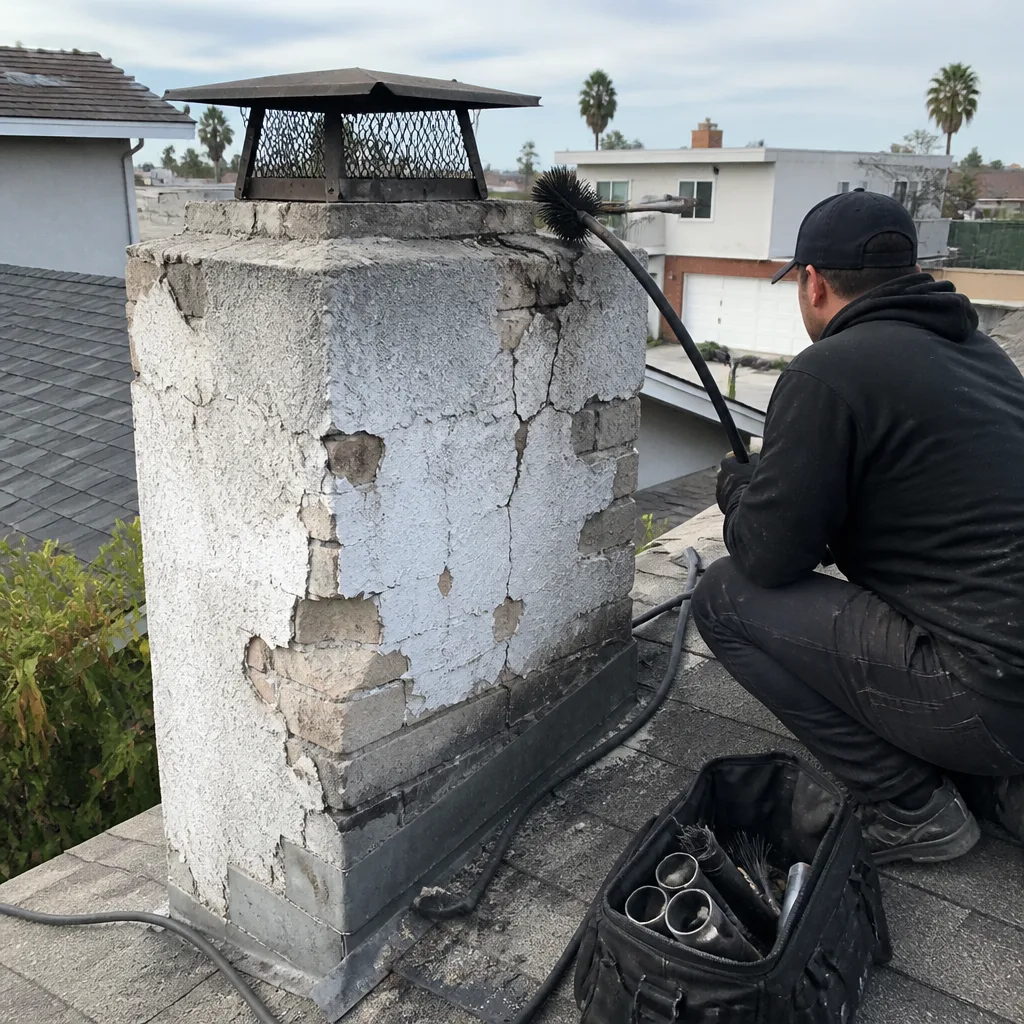 Before
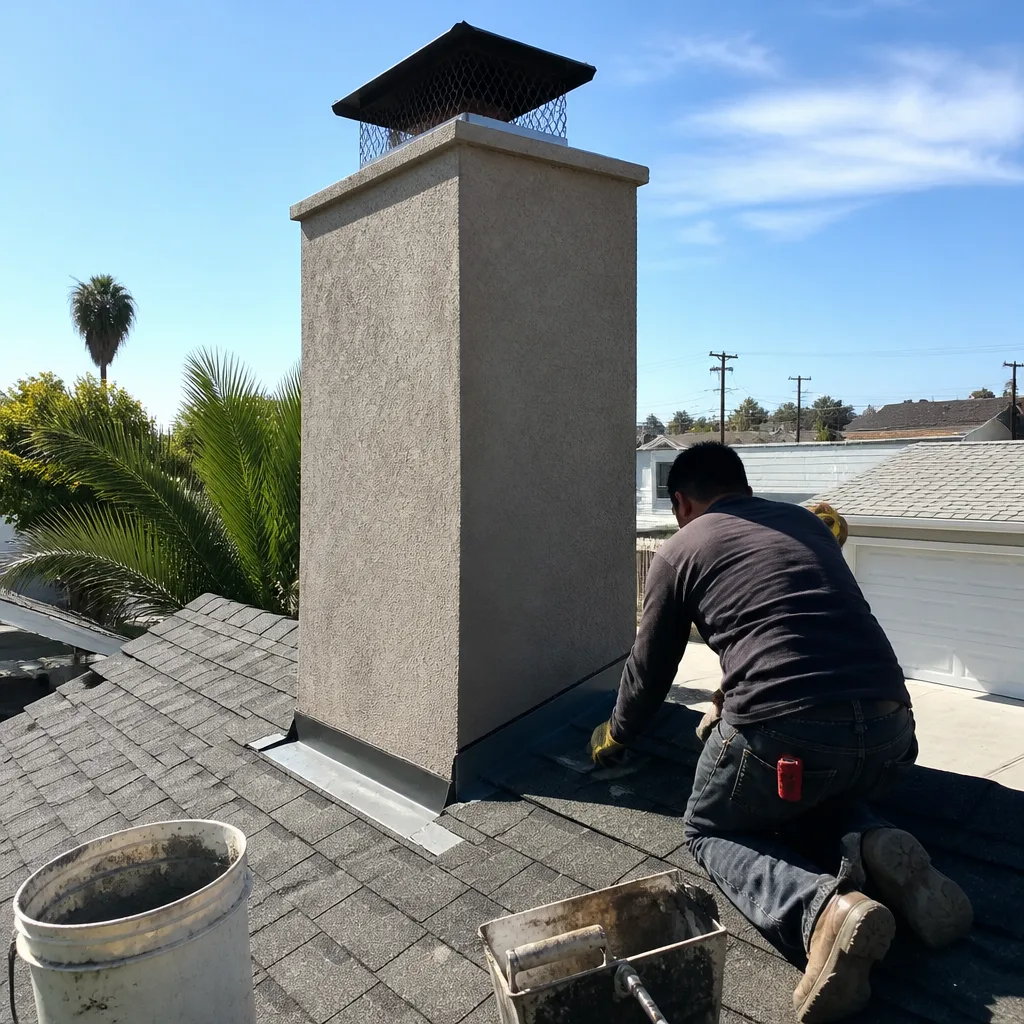 After
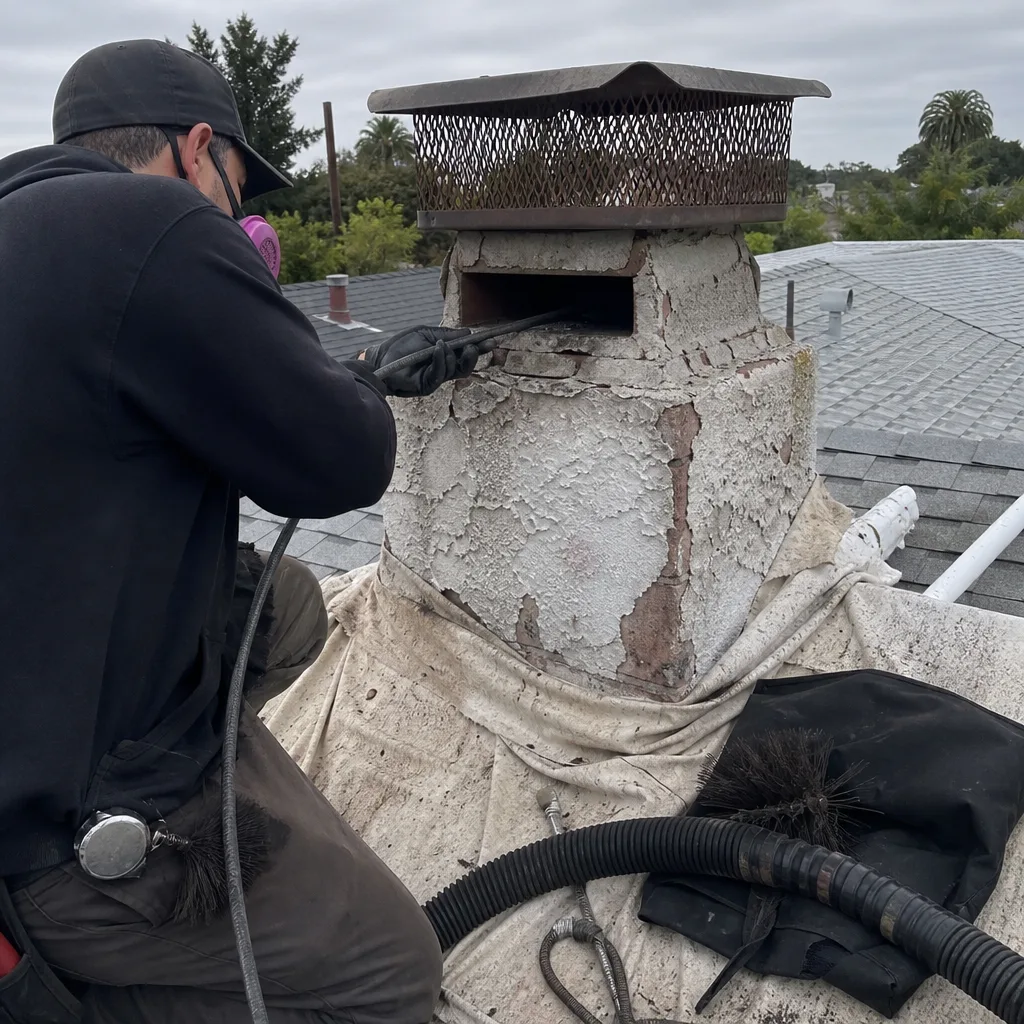 Before
 After
 Before
 After
When to Call a Professional
Call a professional if your chimney has a visible crack in the firebox, if you see water staining on the ceiling near the chimney chase, if you smell smoke when the fireplace isn’t in use, or if anyone in the home has unexplained headaches during winter months. Those are signs of a chimney system failure, not a maintenance item. Call if your insurance company has asked for an inspection report and you don’t have one. Call if you’re buying or selling a Pacific Beach home with a fireplace and want a Level 2 camera inspection documented before escrow closes. Chimney Sweep Pacific Beach offers free estimates in Pacific Beach, so you can get a clear read on what you’re dealing with before you spend anything. Reach us at (866) 282-7711. We also handle Dryer Vent Cleaning in Pacific Beach as a standalone service, which matters because clogged dryer vents are one of the most common residential fire causes that gets ignored alongside chimney maintenance.
Frequently Asked Questions
No. Chimney sweeping, brushing, and visual or camera inspections do not require a permit anywhere in California, including Pacific Beach. Permits apply to structural repairs and alterations, not to routine maintenance. If the scope of work stays limited to removing soot, creosote, or debris, no permit is required.
A standard chimney sweep in Pacific Beach typically ranges from $180 to $350 depending on flue height, creosote condition, and whether a Level 1 or Level 2 inspection is attached. Adding a camera inspection usually brings the total to $400-$600. If the chimney hasn’t been cleaned in years and creosote has hardened into a glaze, the cost moves towards the higher end. Call (866) 282-7711 for an exact quote, estimates are free.
Creosote accumulates and hardens, eventually becoming a fuel source inside the flue. A single hot fire can ignite it, causing a chimney fire that damages the liner and can spread to the home’s structure. Cracked liners allow heat and combustion gases to reach combustible materials. Carbon monoxide also becomes a risk with blocked or damaged flues. These are preventable failures. The fix is always cheaper before the fire.
That depends on the condition. If the liner has minor cracking or gaps but the underlying structure is sound, a HeatShield resurfacing can add years of service without a full replacement. If the liner has significant deterioration, offset joints, or the flue dimensions don’t support the appliance, a full DuraFlex liner replacement is the right call. The only way to know is a camera inspection. In our experience doing Chimney Repair in Pacific Beach, most older liners are worse than the homeowner expects.
The National Fire Protection Association says clean the chimney whenever there’s 1/8 inch or more of creosote buildup. For a wood-burning fireplace used regularly through the winter, that translates to an annual sweep. Gas fireplaces need inspection less frequently but should still have an annual visual check. For Pacific Beach homes within the coastal moisture zone, even unused chimneys need periodic inspection because salt air accelerates mortar and cap deterioration.
We strongly recommend against it, and not just for permit reasons. Working in a flue involves confined spaces, specific material knowledge, and real fire safety consequences if the installation is wrong. A liner that isn’t sized or connected properly can create a carbon monoxide path into the living space. This is one of the few home repair tasks where professional installation is the only responsible option. A licensed contractor will also know what the San Diego County permit process actually requires, which is knowledge you can’t fake. Call (866) 282-7711 if you want an honest assessment before you make a decision.
The Bottom Line
Chimney cleaning in California requires no permit. Chimney repair, liner replacement, firebox rebuilds, and venting modifications do. The line between those two categories is where Pacific Beach homeowners get into trouble, usually discovering it years later during a sale or an insurance renewal. Your best protection is simple: get a Level 2 camera inspection so you know what your chimney actually needs, verify any permit claim through San Diego County’s DSD lookup, and don’t accept unpermitted structural work. A fireplace is either maintained properly or it becomes a liability. The choice is yours, and the information is now in your hands. For a free estimate on any chimney, liner, or dryer vent issue in Pacific Beach, call Chimney Sweep Pacific Beach home team at (866) 282-7711, or schedule a Chimney Sweep in Pacific Beach inspection today.
Written by the team at Chimney Sweep Pacific Beach, serving Pacific Beach since 2012.