
Last updated November 2, 2026
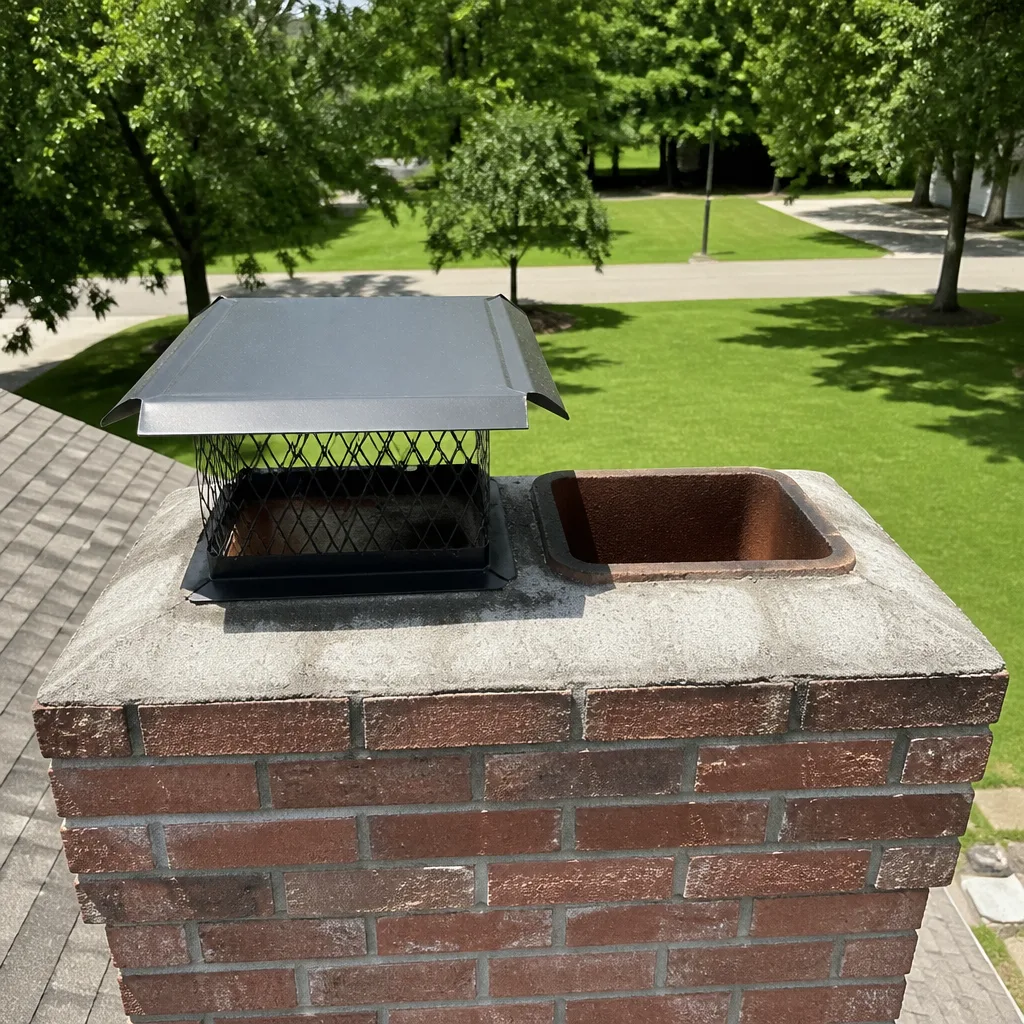 Sweep & inspection
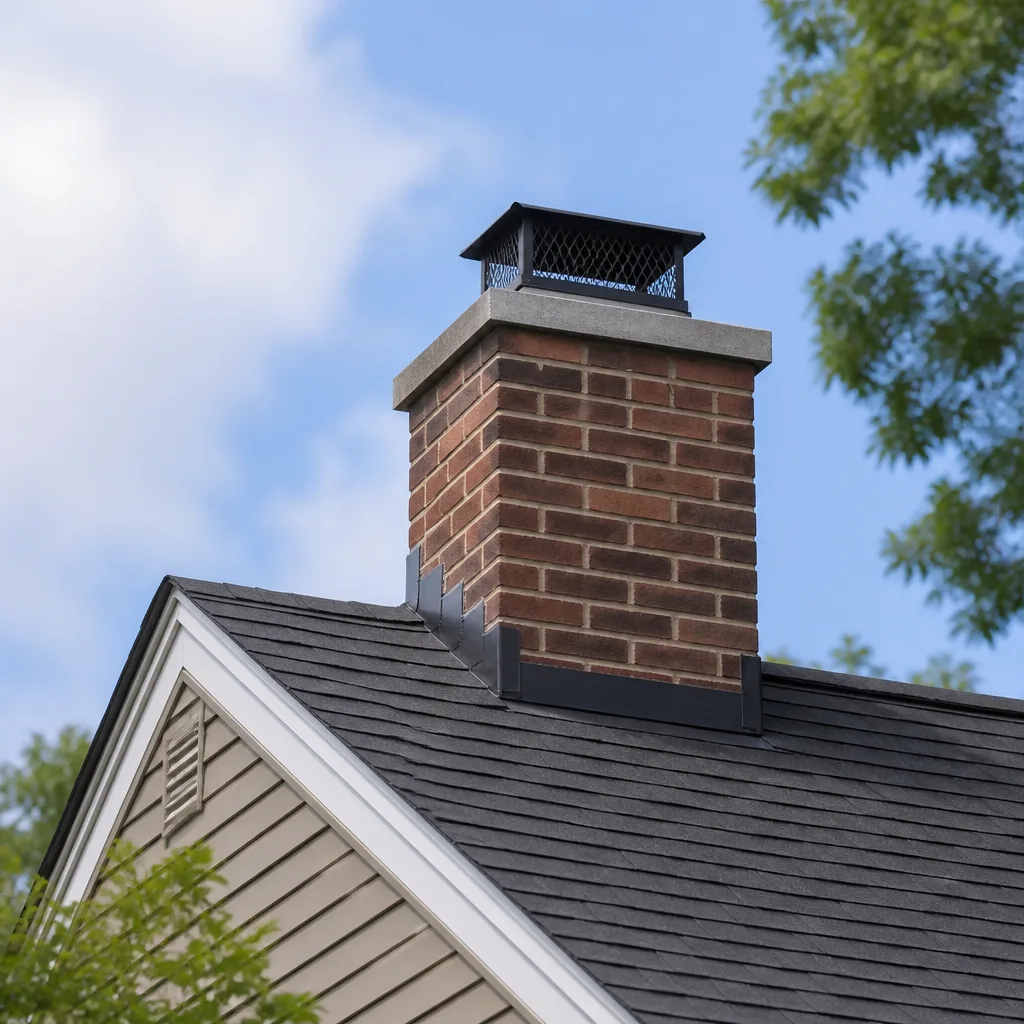 Caps & crowns
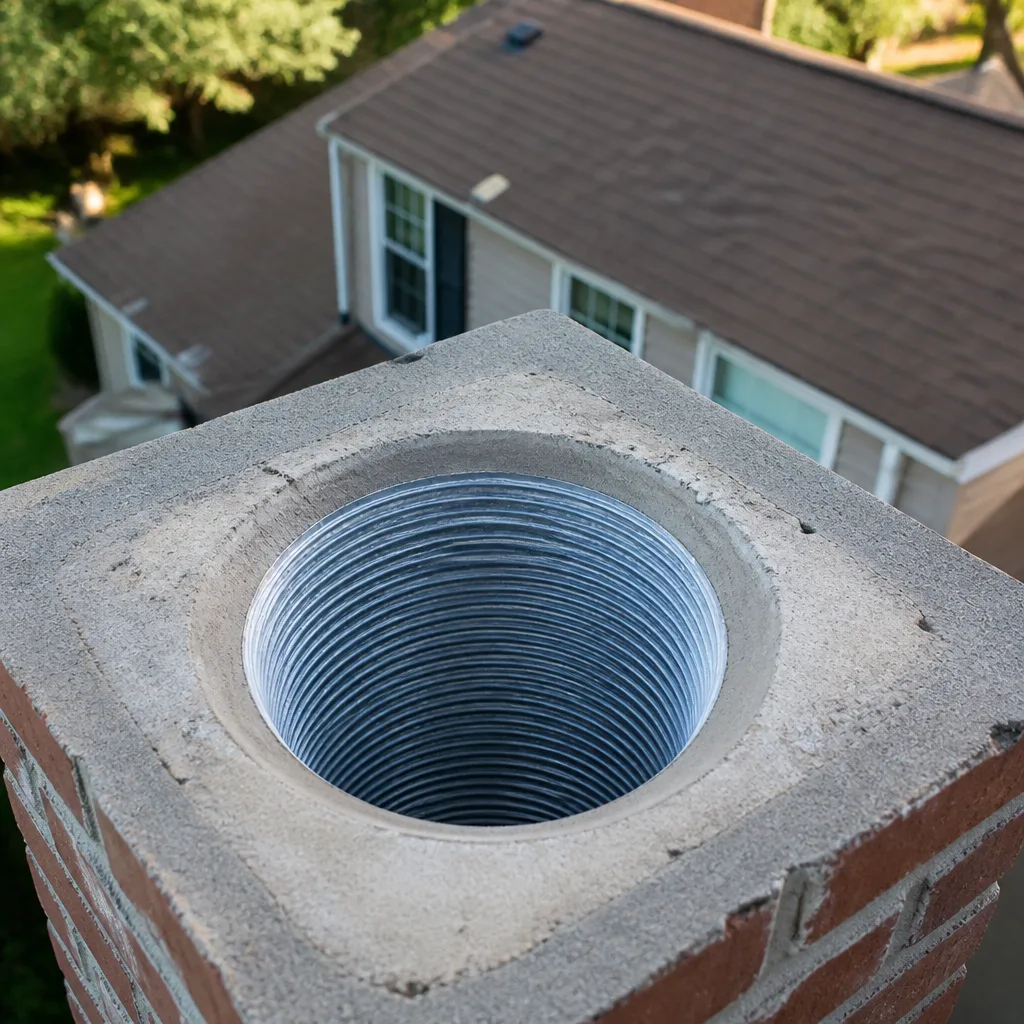 Flue relining
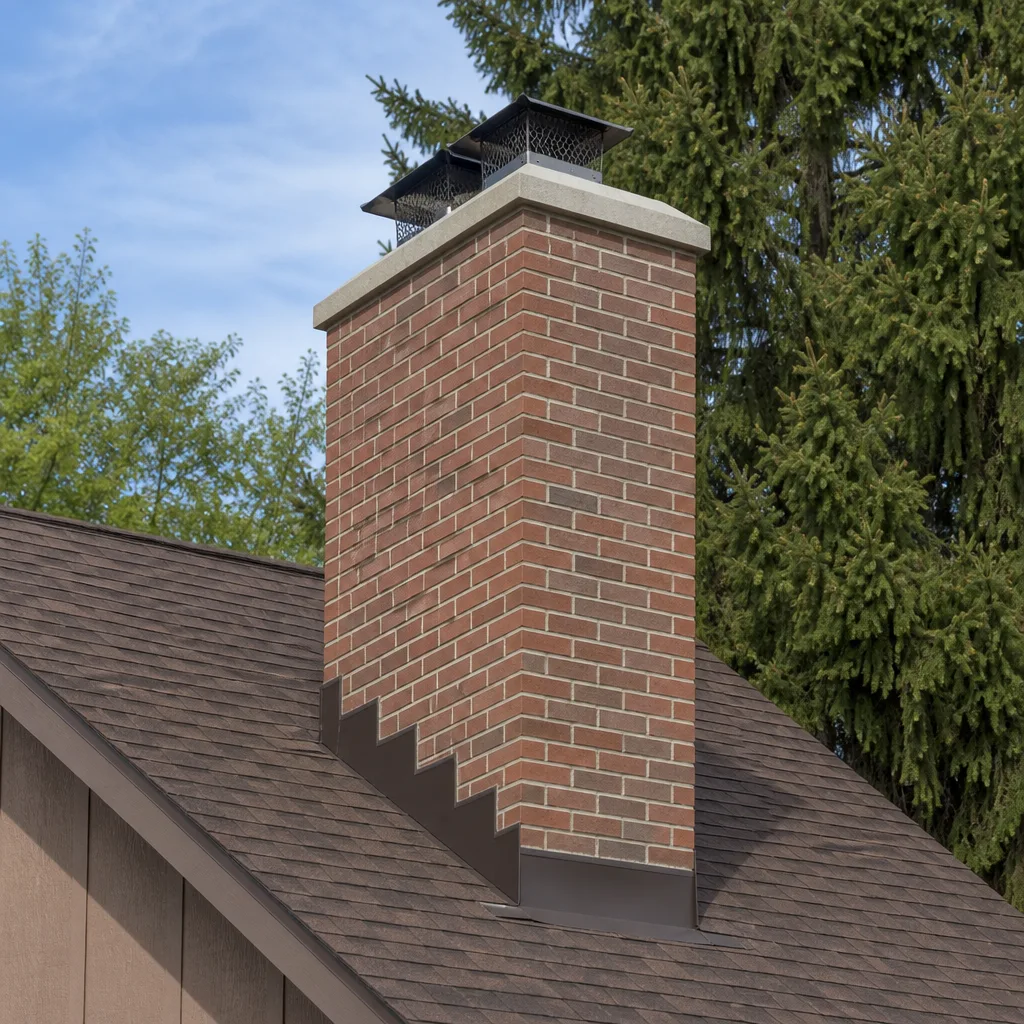 Masonry repair
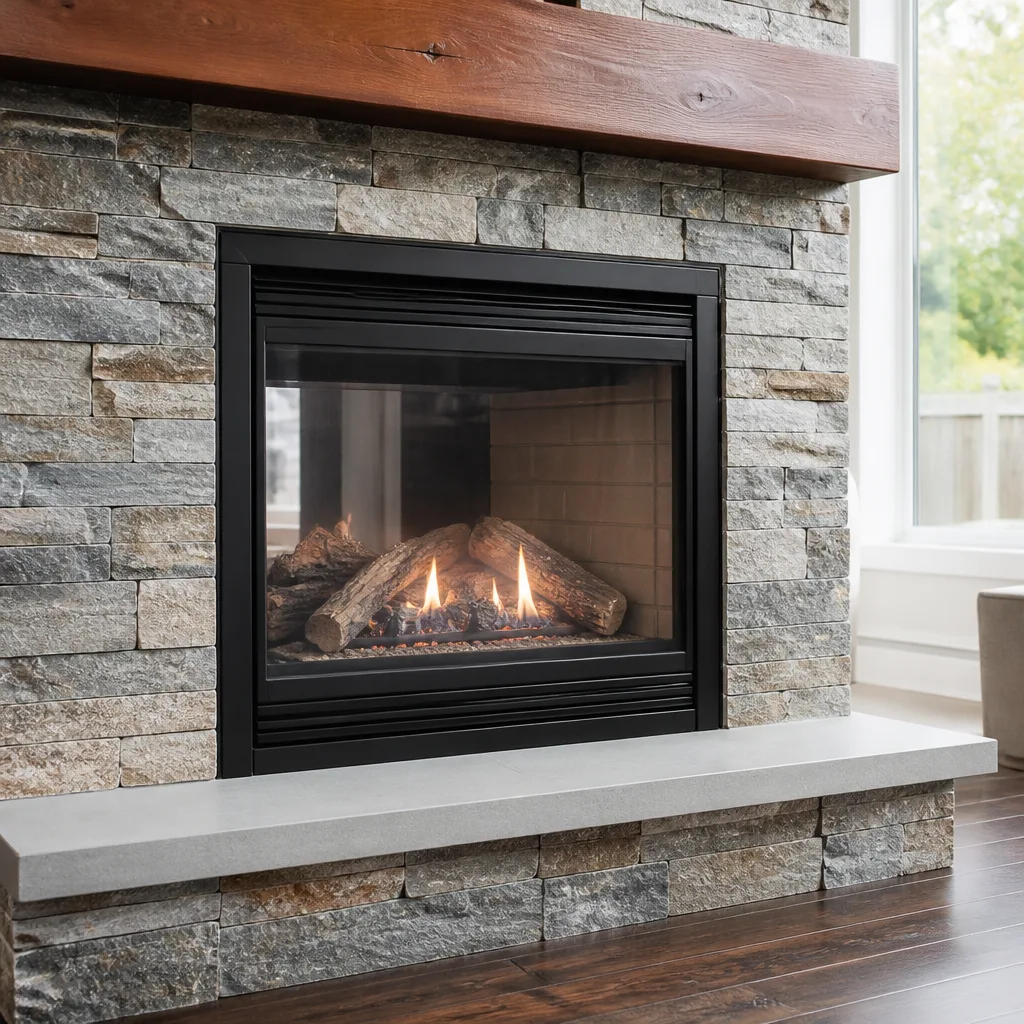 Gas fireplace service
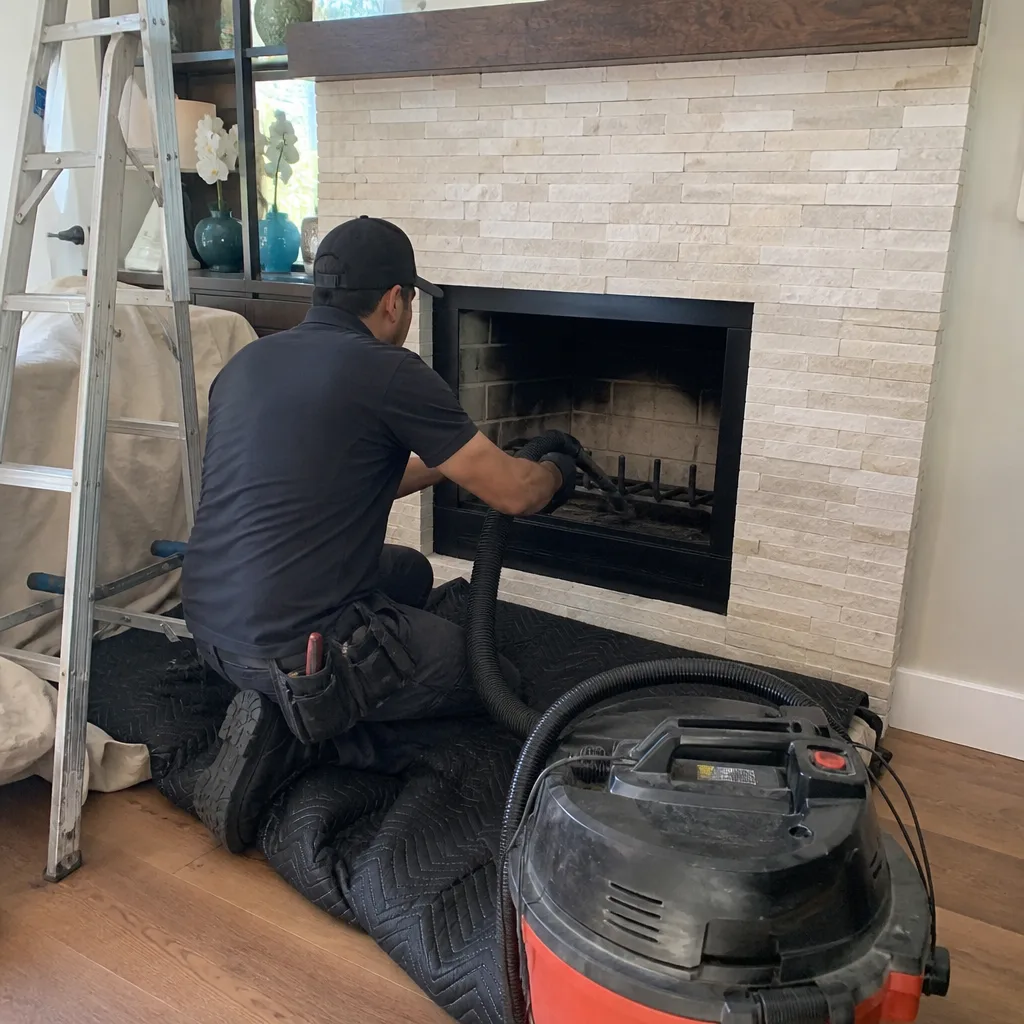
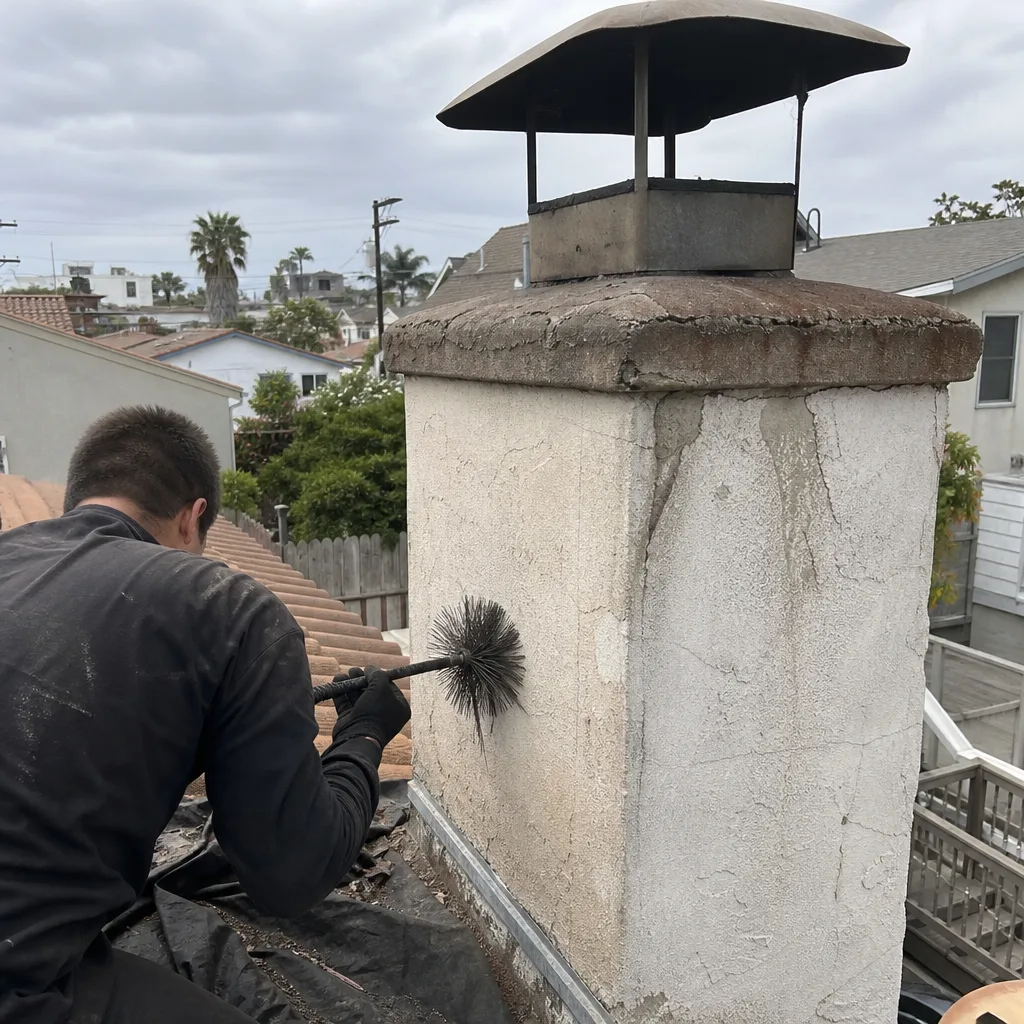
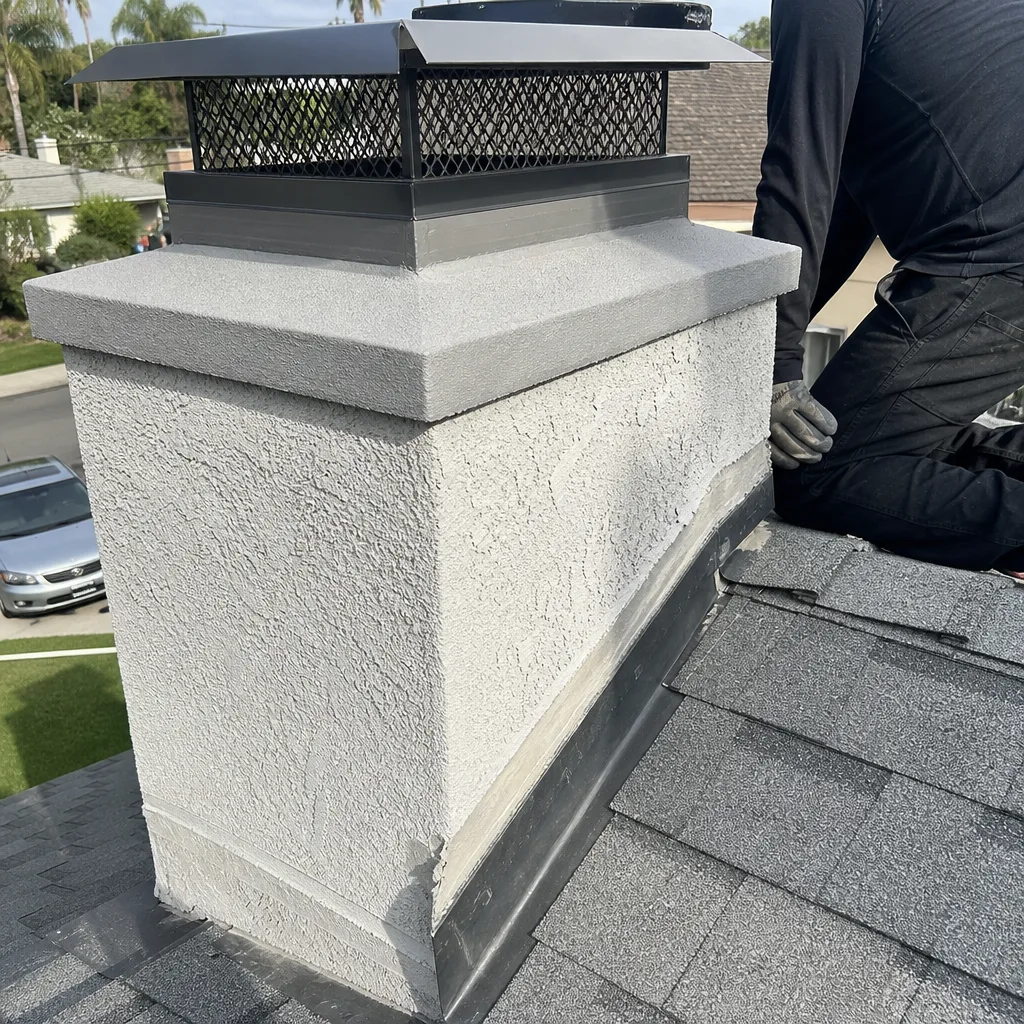
Level 1 sweep and inspection to the NFPA 211 annual standard - flue, crown, cap, and flashing checked and photographed
Chimney sweep logs do not sweep chimneys. They loosen some creosote - which then falls where a brush and vacuum still have to collect it.
Chimney Cleaning Emergency Preparedness Guide for Pacific Beach Homes
A chimney fire burns at temperatures that exceed 2,000°F and can move from flue to framing in under two minutes. The time to know the condition of your chimney is not when you smell smoke in the attic at 11 p.m. on a December night. This guide explains how Pacific Beach homeowners can prepare for chimney emergencies months before they happen, by documenting service records, maintaining detection equipment, and building a household response plan that everyone in the home understands. For Chimney Cleaning Warning Signs: A Pacific Beach Homeowner’s Reference Guide, see our companion post. We’ll walk through what an actual chimney fire looks and sounds like, the exact sequence of actions to take, how to position carbon monoxide detectors correctly, and why post-event inspections matter even when nothing looks damaged.
Quick Answer
Chimney emergency preparedness for Pacific Beach homes comes down to three things: documented chimney sweep records that establish liner condition before an incident (see our Chimney Sweep Maintenance Checklist for Pacific Beach Homeowners), working smoke and carbon monoxide detectors placed correctly relative to the fireplace and bedrooms, and a written household plan for what to do if a chimney fire starts. A chimney fire is an active structural fire inside your flue, and the correct response is to close the damper, close the air intake, evacuate, and call 911 from outside. After any chimney fire event, the chimney must be professionally inspected before further use, regardless of whether visible damage is present.
Styles & brands we work with
- Sweep & inspection
- Caps & crowns
- Flue relining
- Masonry repair
- Gas fireplace service
Table of Contents
- The Systems View: Preparedness Is Not a Checklist
- Recognizing a Chimney Fire in Real Time
- The Correct Response Sequence During a Chimney Fire
- Carbon Monoxide Detection Placement for Fireplace Users
- Post-Event Protocol: Why Every Chimney Fire Requires Inspection
- Documentation for Insurance: The Role of Pre-Event Service Records
- Pacific Beach-Specific Chimney Risks
The Systems View: Preparedness Is Not a Checklist
Most chimney safety advice reads like a grocery list: buy this detector, clean your chimney once a year, don’t burn green wood. None of it is wrong, but none of it prepares you for what actually happens during an emergency, when the fire is roaring and the smoke alarm is screaming and your hands are shaking. Real preparedness treats chimney safety as a system with three interconnected parts: the chimney itself, the detection equipment, and the people who need to act. If any one of those parts fails, the other two cannot fully compensate.
Think about a Pacific Beach home built in the 1970s or 1980s. The original clay tile liner has been through forty or fifty years of salt air, temperature swings, and seasonal use. Hairline cracks may be present but invisible from the firebox. Detection equipment is standard and functional. Everyone in the house knows where the fire extinguisher is. On paper, the home looks prepared. But the liner condition is unknown because it hasn’t been documented. The first indication of a problem is the chimney fire itself. This is the gap that documentation closes.
We recommend documenting these three records before the burning season starts:
- A written inspection report from a chimney sweep that includes the condition of the flue liner, creosote buildup measurement, and any noted deficiencies. If the sweep uses a camera, ask for still images or video.
- Replacement dates for smoke detectors and carbon monoxide detectors. Detectors have expiration dates, typically ten years from manufacture for CO units.
- A one-page household response plan that names the person who closes the damper, the person who evacuates children and pets, and the predetermined outdoor meeting spot.
Systems fail when the connections between parts are assumed rather than explicit. A sweep record sitting in a drawer is not part of the system until someone looks at it before a claim or a fire.
Recognizing a Chimney Fire in Real Time
The single most important skill in chimney emergency response is distinguishing a normal, vigorous fire from an active chimney fire. They feel similar in the moment, and the difference is the difference between staying calm and calling 911. A normal fire stays in the firebox. A chimney fire is burning inside the flue, above the damper, in a space you cannot see and cannot easily reach. Here are the indicators we teach our clients in Pacific Beach.
Sound: A chimney fire often produces a low, rumbling roar that sounds like a freight train or a jet engine, not the crackle and pop of wood in a firebox. The sound comes from massive air movement up the flue as superheated gases expand. If you hear this, do not investigate further. Act.
Smell: A chimney fire smells like hot tar and acrid chemical smoke, not the pleasant woodsmoke of a normal fire. The smell comes from creosote burning at temperatures far beyond normal combustion. Some people describe it as electrical burning mixed with asphalt.
Visible signs from outside: Flames or dense, dark smoke exiting the top of the chimney, or embers shooting from the chimney cap, are unmistakable indicators. If neighbors report seeing this before you notice anything inside, trust them.
Structural clues inside: Crackling or popping sounds from within the chimney masonry, sudden drafts that slam doors, or smoke backing into the room through the firebox, even with the damper open, all suggest a flue fire has disrupted normal draft.
Here is the counterintuitive part. A normal fire on a cold Pacific Beach evening can sound quite loud, especially with a strong draft. The key differentiator is control. A normal fire responds when you close the damper or dampen the air supply. A chimney fire does not. If you adjust the air and the sound does not change, treat it as a chimney fire.
The Correct Response Sequence During a Chimney Fire
During a chimney fire, the order of operations matters. Many people reach for water or a fire extinguisher first. That is the wrong move. Water on a hot flue can shatter clay tiles or crack masonry, and a fire extinguisher discharged into the firebox does not reach the fire burning above the damper anyway. Here is the sequence we teach.
- Close the damper. This is the single most effective action you can take from inside. Closing the damper cuts off the primary oxygen supply to the fire. Do this first.
- Close the glass doors or fireplace screen. This limits air flow through the firebox and reduces the chance of embers entering the room.
- Close any combustion air intakes. Some fireplaces have dedicated outdoor air intakes. Close them if you have them.
- Evacuate everyone from the house. Do not wait to see if the damper worked. Get out. Close the door behind you but do not lock it unless everyone has a key.
- Call 911 from outside. State clearly that you believe there is a chimney fire. Dispatchers need to know this is a flue fire, not a room-and-contents fire.
- Do not re-enter until the fire department clears the scene. Even if the sound stopped and the smoke cleared, the flue and surrounding framing may still be hot enough to reignite.
One clarification on containment. Some sources suggest spraying water on the roof near the chimney. This is a judgment call and, honestly, most homeowners in Pacific Beach do not have a hose that reaches the roofline with enough pressure to matter while a 2,000°F fire is burning inside the flue. Our position is simple: if the fire is active, your job is evacuation and notification, not firefighting. The fire department has equipment and training you do not.
For a Chimney Sweep in Pacific Beach who responds to post-fire inspections, the most common comment from homeowners is that everything happened faster than expected. That is why the response plan needs to be practiced, not just discussed once. Muscle memory beats conscious decision-making under stress.
Carbon Monoxide Detection Placement for Fireplace Users
Carbon monoxide is the chimney emergency you cannot see, smell, or hear. It accumulates when combustion gases fail to vent properly, which happens with a blocked flue, a damaged liner, or a downdraft condition. Fireplace users face different placement considerations than households without fireplaces. The standard advice, put a detector on each floor and near bedrooms, is correct but incomplete.
Here is what we tell Pacific Beach homeowners specifically about fireplace-related CO detection.
Place a CO detector in the same room as the fireplace, but not directly above it. Carbon monoxide mixes with air and distributes fairly evenly, but a detector mounted directly above a firebox will false-alarm from normal combustion byproducts during startup. Mount it on a wall or ceiling at least 15 feet from the fireplace opening, or in an adjacent room connected by an open doorway.
Bedroom hallway detectors are non-negotiable. CO poisoning most often kills people who are asleep. A detector in the hallway outside the bedrooms is more important than any other location. In a two-story Pacific Beach home, place one at the top of the stairs outside the bedrooms and one in the hallway outside the primary suite.
Check the expiration date. CO detectors have a finite sensor life, typically seven to ten years depending on the model. Write the installation date on the unit with a permanent marker. If you moved into your home and do not know the detector’s age, replace it. A dead CO detector is not a detector.
Know the difference between a low-level alarm and an emergency alarm. Many modern detectors distinguish between low-level exposure over hours and acute exposure. A low-level alarm does not mean the fire department needs to be called, but it does mean something is wrong with your venting. Call a chimney professional to investigate before resuming fireplace use.
Post-Event Protocol: Why Every Chimney Fire Requires Inspection
A chimney fire does not end when the fire department leaves. If you had an active flue fire, the chimney system has been subjected to temperatures that exceed the design limits of most flue materials. Clay tiles crack. Mortar joints fail. Stainless steel liners can warp or separate at seams. The damage may be invisible from the outside, and the chimney may look exactly the same as it did the day before the fire. It is not the same.
This is the part homeowners get wrong most often. They assume that because the chimney looks fine and drafts fine, it is fine. Then they light the next fire, and the combustion gases escape through the new cracks into wall cavities or attic spaces. What was once a chimney fire becomes a house fire the second time around, but this time the fire starts inside the framing, where no one sees it until smoke is pouring from the eaves.
The post-fire inspection must be performed by a professional with a camera system. A visual inspection from the top or bottom cannot see mid-flue damage. A sweep with a chamber scanning camera can. We use the same diagnostic equipment on post-fire inspections that we use on Chimney Repair in Pacific Beach assessments, because the questions are the same: what is the liner’s actual condition, and is the flue safe to use. If damage is found, repair options range from HeatShield resurfacing for localized defects to full liner replacement for cattrophic failure.
The takeaway is simple. If your chimney experienced a fire, do not use the fireplace again until a camera inspection has documented the flue condition. The cost of an inspection is a fraction of the cost of what happens if you guess wrong.
Documentation for Insurance: The Role of Pre-Event Service Records
This is the section most chimney preparedness guides skip entirely, and it may be the most valuable thing you read today. After a chimney-related incident, insurance adjusters ask one question: what did you know, and when did you know it. The answer changes everything about how a claim is processed and paid.
Here is the scenario. You have a chimney fire in February. The fire department responds, the fire is contained, and the flue liner is damaged. You file a homeowner’s insurance claim for the repair. The adjuster reviews the file and asks when the chimney was last inspected. If you have a written report from November, signed by a professional chimney sweep, that documents the condition of the flue before the fire, you have established that you acted reasonably and maintained the system. The claim proceeds normally.
If you have no record, the insurance company may argue that the fire resulted from deferred maintenance. They may reduce the payout, deny portions of the claim, or in some cases deny the entire claim on the basis that the loss was foreseeable and preventable. This is not a hypothetical. We have spoken with Pacific Beach homeowners who learned this distinction the hard way.
The service record does not need to be elaborate. It needs to exist. The most useful format includes:
- The date of service and the name of the company that performed the work.
- Creosote thickness measurements, if taken.
- Flue liner condition notes, including any cracks, gaps, or spalling observed.
- Repairs recommended and whether they were performed.
- Still images or video from a camera inspection, if available.
If your sweep does not provide a written report, ask for one. A verbal “everything looks good” is not documentation. It evaporates the moment there is a claim. Every professional Chimney Sweep Pacific Beach home service visit should end with a written record you can file. That record is your insurance policy within your insurance policy.
Pacific Beach-Specific Chimney Risks
Pacific Beach sits in a marine climate zone that creates specific conditions for chimney systems. The salt air accelerates corrosion on metal components, including damper assemblies, rain caps, and stainless steel liners. Homes built before the 1980s often have original clay tile liners that are nearing the end of their service life. Homes built after the 1990s typically have prefabricated or factory-built chimney systems with different failure modes entirely.
The biggest risk factor we see in Pacific Beach is intermittent seasonal use. Many homes only run their fireplaces during the mild winter months, from roughly November through February. That pattern allows creosote to accumulate and harden during the long off-season. Hardened, glazed creosote is more difficult to remove and more combustible than the fluffy ash deposits of a heavily used fireplace. The fireplaces that get used the least often are sometimes the ones with the highest creosote density per square inch of flue surface.
Pacific Beach homes also tend to have tighter building envelopes than older inland homes, especially after modern window and door retrofits. Tight envelopes increase the consequences of a downdraft or improper draft. Combustion gases that would have been diluted by leakage in an older, draftier house are more concentrated in a sealed Pacific Beach home. This is why CO detection is not optional for fireplace users, and why a backdrafting fireplace should never be dismissed as a quirk.
If you use a fireplace in Pacific Beach, the preparation cadence that makes sense is this: a sweep and inspection at the start of each burning season, a camera inspection if your liner has not been documented in the last five years, and fresh batteries in every detector in the fall. Our Chimney Cleaning Permits, Codes & Inspections in CA: What You Need to Know explains the regulatory side of this schedule. That schedule aligns with the seasonal rhythm and captures problems before the first cold night, not after.
Common Mistakes to Avoid
- Assuming no news is good news. Chimneys do not fail loudly. They fail quietly, over years, while you burn fires without incident. The absence of a problem is not evidence of a healthy liner. Only a camera inspection provides that evidence.
- Reusing a chimney after any fire event without inspection. The damage from a chimney fire is often invisible. Guessing wrong means the next fire escapes the flue entirely, and by then the smoke alarm is too late to stop it.
- Placing a CO detector directly above the fireplace. This causes false alarms during normal startup and trains household members to ignore the alarm when it matters. The correct placement is at least 15 feet from the firebox or in an adjacent connected room.
- Using water on an active chimney fire. Water hitting a 2,000°F clay liner can cause thermal shock and shatter the flue from the inside. Your job during an active fire is evacuation and 911, not firefighting.
- Relying on a visual inspection instead of a camera. The human eye cannot see mid-flue cracks, hidden voids, or damaged liner seams. A visual inspection catches some problems. A camera inspection catches the ones that start fires.
- Burning unseasoned wood or painted lumber. Both produce excessive creosote, and painted or treated lumber releases chemicals that accelerate flue corrosion. Fireplace wood should be split, stacked, and dried for at least one full season.
- Not documenting anything. If your chimney has never been swept and inspected by a professional, your insurance adjuster knows that as well as you do. The written record is what separates an honest surprise from a foreseeable loss.
See the difference
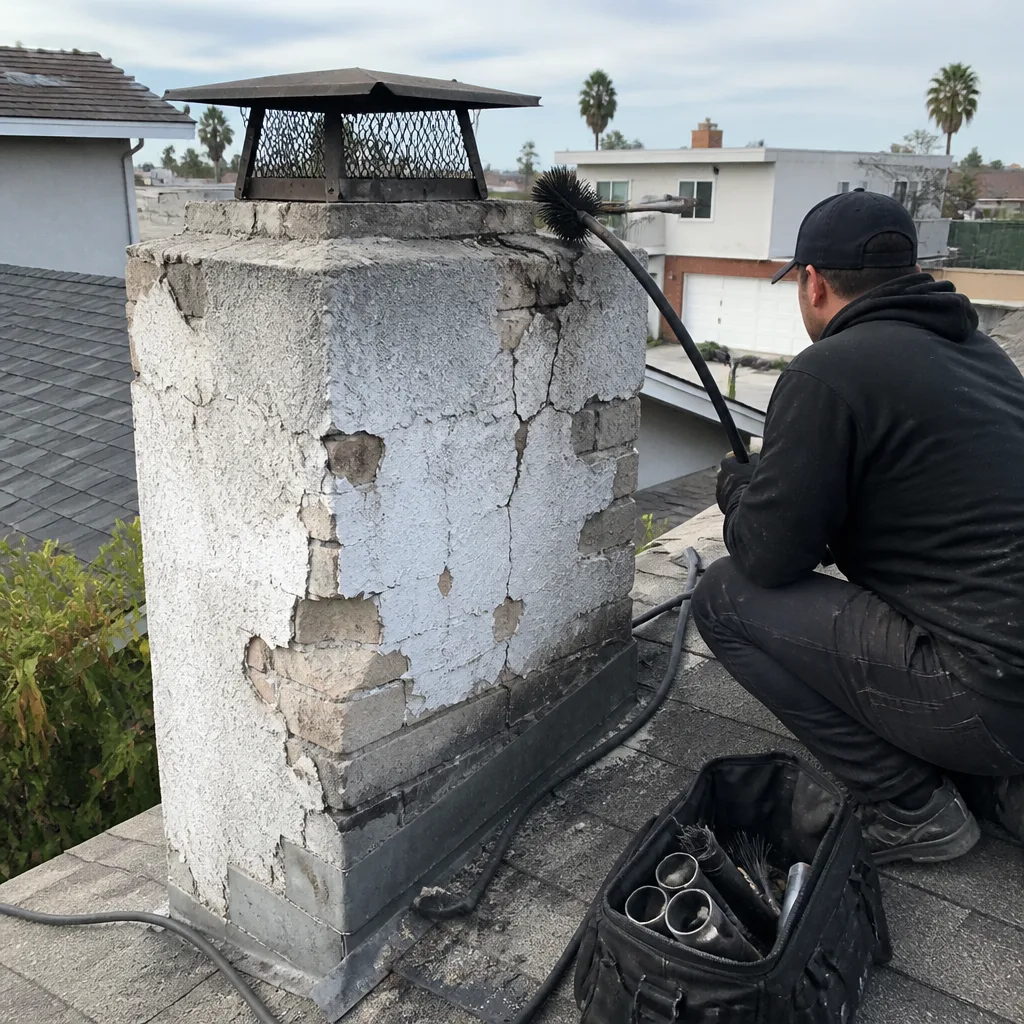 Before
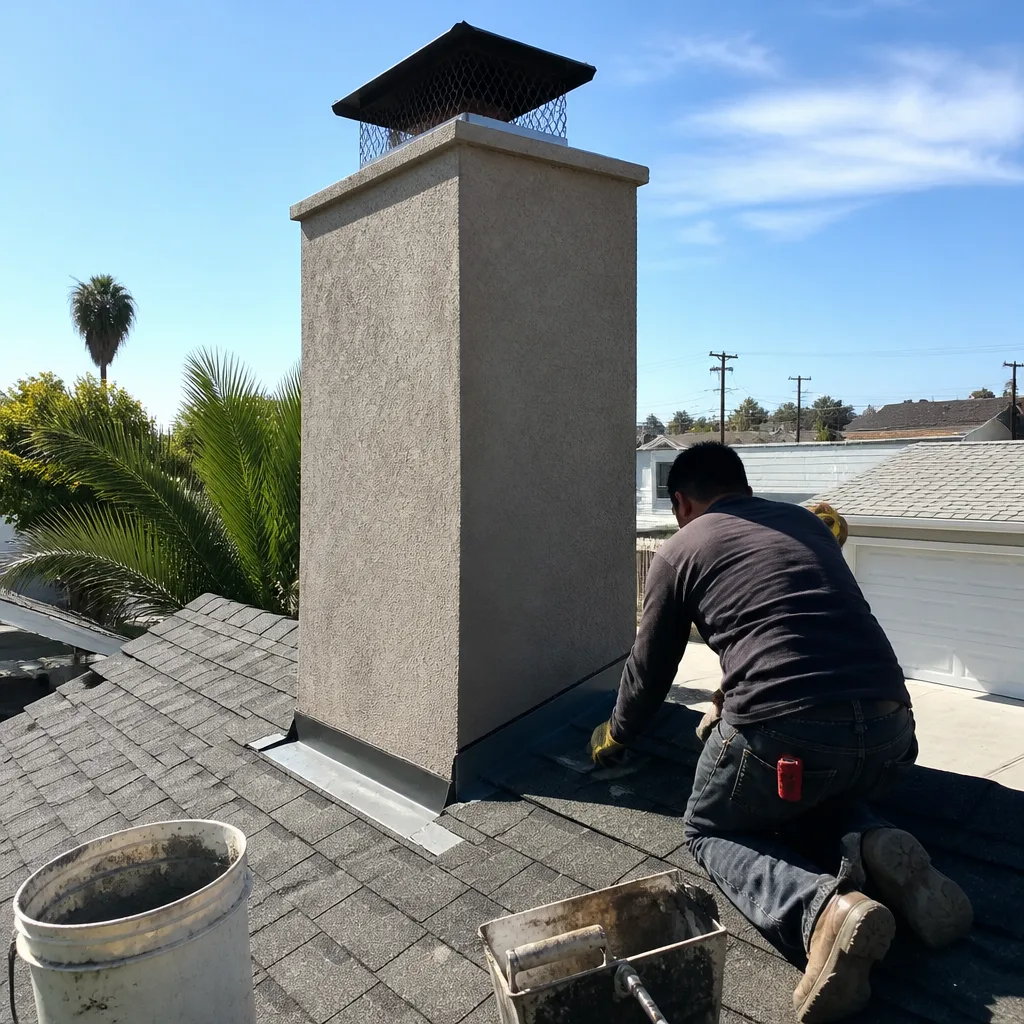 After
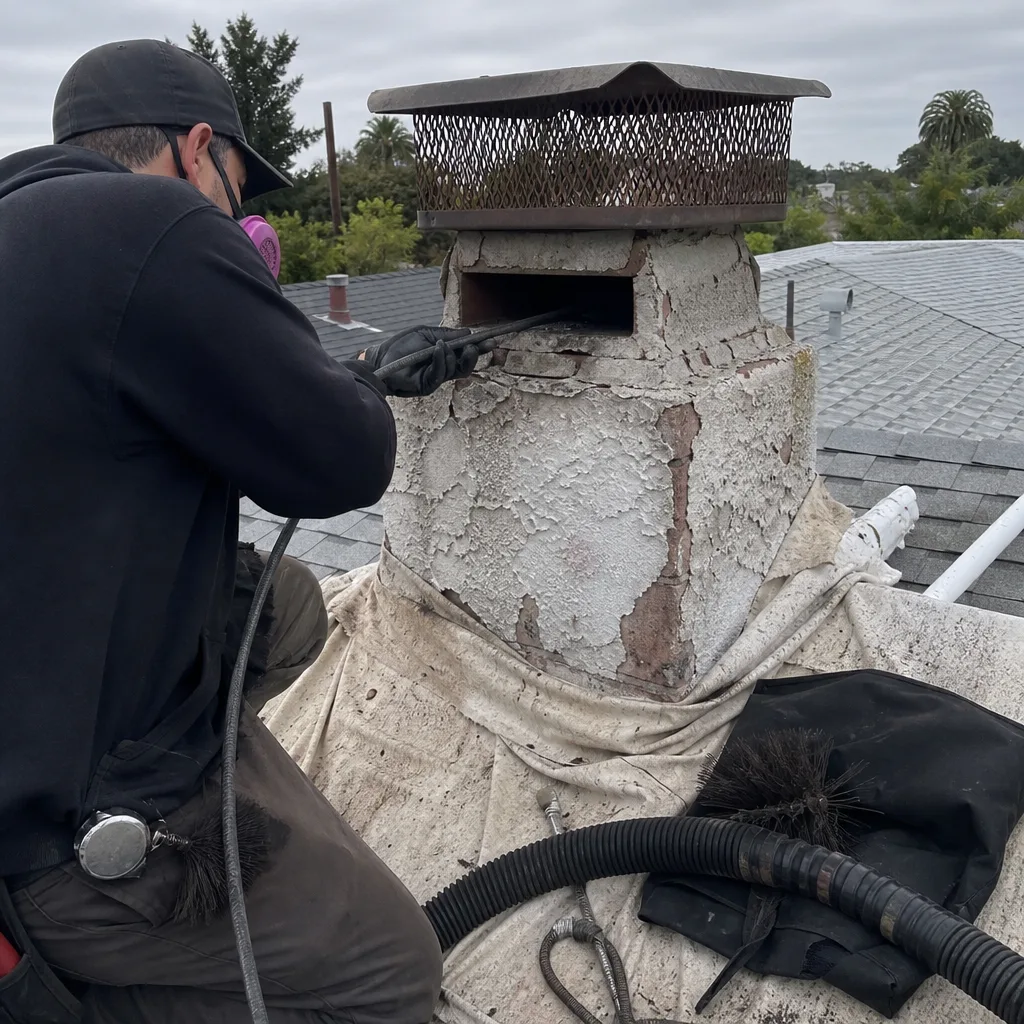 Before
 After
 Before
 After
When to Call a Professional
Some situations require a professional, full stop. If you have experienced a chimney fire, even a small one, the flue needs a camera inspection before further use. If you notice flaking tile pieces in the firebox, white staining on exterior masonry, or a persistent musty smell from the fireplace in summer, those are indicators of water intrusion or liner deterioration that need evaluation. If your carbon monoxide detector alarms on low level during fireplace use, or if smoke backs into the room with the damper open, stop using the fireplace until the draft has been evaluated. If your home has a fireplace that has never been swept since you bought it, and you have no service records from the previous owner, the prudent move is a full sweep and camera inspection before the next burning season. Chimney Sweep Pacific Beach offers free estimates in Pacific Beach, call (866) 282-7711. We handle chimney sweeps, liner repairs including HeatShield and DuraFlex systems, and Dryer Vent Cleaning in Pacific Beach under one roof, so one visit can address multiple fire safety systems.
Frequently Asked Questions
A wood-burning fireplace in Pacific Beach should be swept at least once per year, at the start of the burning season, and more frequently if the fireplace is used more than three times per week during winter. The National Fire Protection Association recommends sweeping when creosote reaches 1/8 inch in thickness, which most homeowners cannot measure themselves, so annual service is the safe default. Our seasonal use pattern in Pacific Beach means creosote accumulates slowly during the off-season and should be removed before the first fire of the year. Call (866) 282-7711 for an exact quote, estimates are free.
Chimney sweeping in Pacific Beach typically falls between $150 and $300 for a standard open fireplace, with additional charges if creosote is heavily glazed or if a camera inspection is added. Prices vary based on chimney height, liner condition, and accessibility. A sweep that includes a camera inspection and written report costs more than a brush-only service but provides the documentation you need for insurance purposes. Call (866) 282-7711 for a firm quote, there is no cost for the estimate.
Not necessarily, but the only way to know is with a camera inspection. Clay tile liners in Pacific Beach homes are often cracked or deteriorating invisibly, and the fact that fires have burned without incident does not mean the liner is intact. HeatShield resurfacing can extend the life of a compromised liner without full replacement in many cases, so the answer is often a repair rather than a rebuild. Guessing costs more than knowing, call (866) 282-7711 to schedule an inspection.
Creosote builds up in the flue until it becomes a fuel source. A hot-enough fire ignites the creosote, and you have a chimney fire that can crack the liner, ignite surrounding framing, and require thousands of dollars in repair that an annual sweep would have prevented. Skipping a year or two is not the issue, skipping until creosote reaches glazed form is. If you do not know the last time your chimney was swept, that is the same as knowing it has not been swept recently enough.
Place one CO detector in the hallway outside the bedrooms, one on each additional floor, and one in the room with the fireplace at least 15 feet from the firebox. Do not mount a detector directly above the fireplace, as normal startup emissions will cause false alarms and train your household to ignore the device. Check installation dates and replace any detector older than seven years.
No. Many chimney fires damage only the liner, and modern repair methods including HeatShield resurfacing and DuraFlex liner installation can restore the flue without rebuilding the entire chimney structure. The extent of repair depends on what the camera inspection reveals, and sometimes the repair is surprisingly contained. The mistake is assuming no repair is needed because nothing looks damaged, when in fact hidden liner gaps are the most dangerous outcome of a flue fire.
The Bottom Line
Chimney emergencies are not prevented by luck or by intention. They are prevented by records, equipment, and a plan that exists before anything goes wrong. Document your sweeps and inspections, know your liner condition from camera evidence, keep CO detectors current and correctly placed, and make sure every adult in your household knows the response sequence for a chimney fire. After any fire event, the chimney cannot be trusted until a professional has looked inside it. Chimney Sweep Pacific Beach serves Pacific Beach homeowners with sweeps, liner repairs, and dryer vent cleaning under one roof, using trade-grade product lines including HeatShield, Olympia Chimney, and Famco. Call (866) 282-7711 to schedule an inspection or get a free estimate before the next burning season.
Written by the team at Chimney Sweep Pacific Beach, serving Pacific Beach since 2012.