
Last updated November 3, 2026
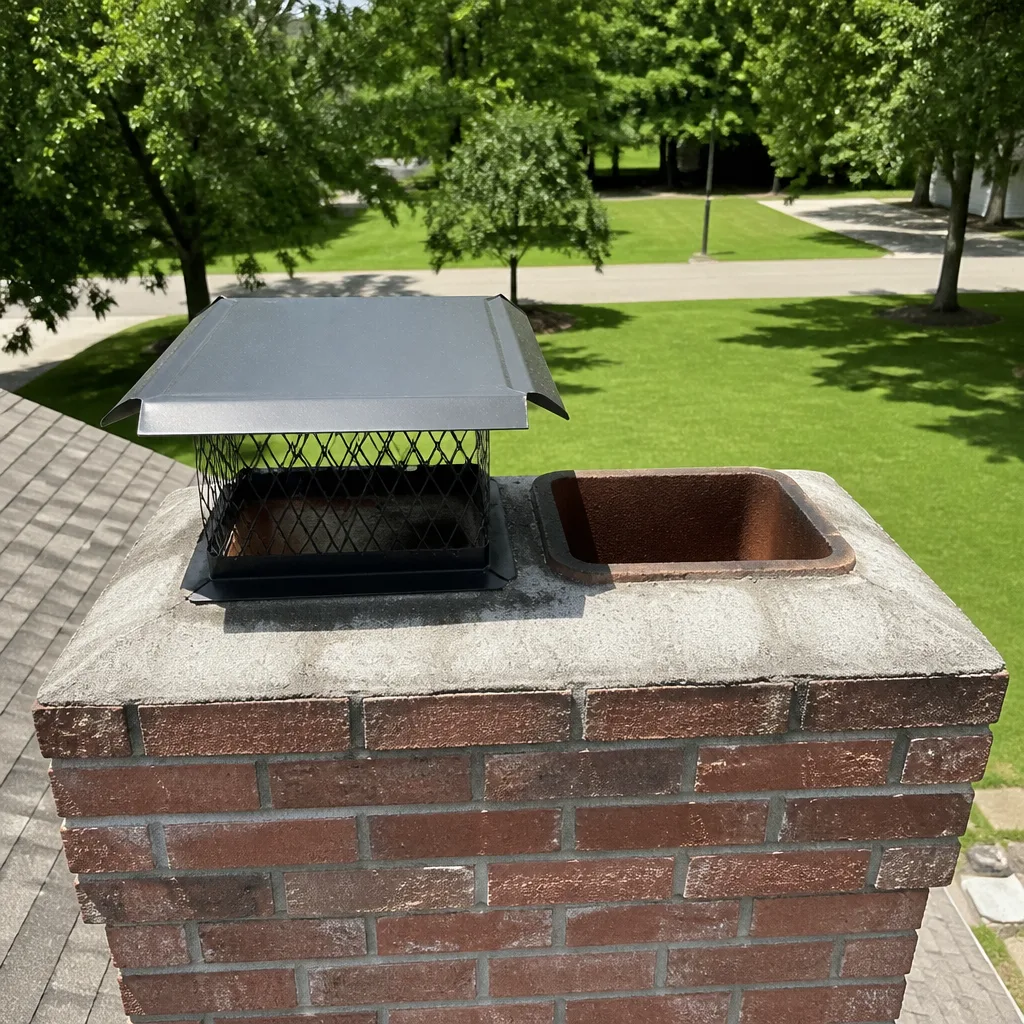 Sweep & inspection
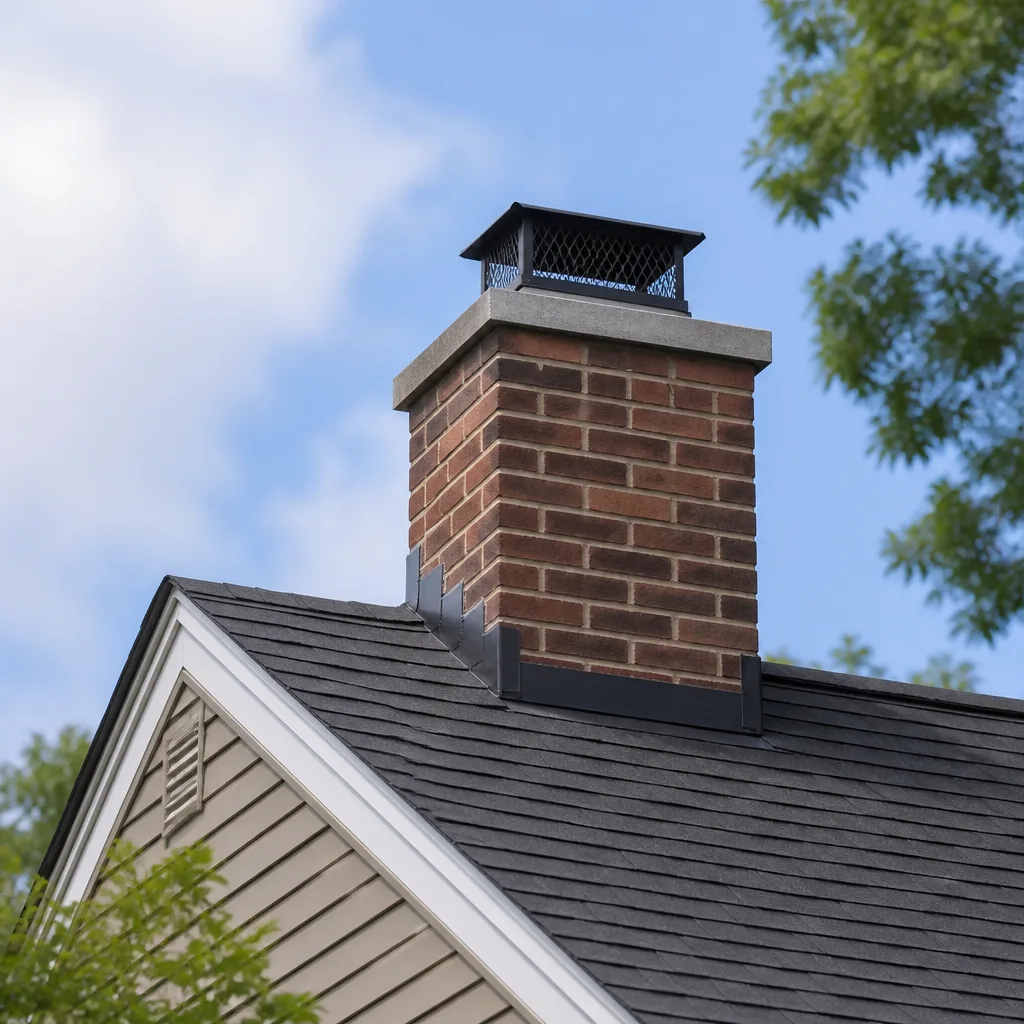 Caps & crowns
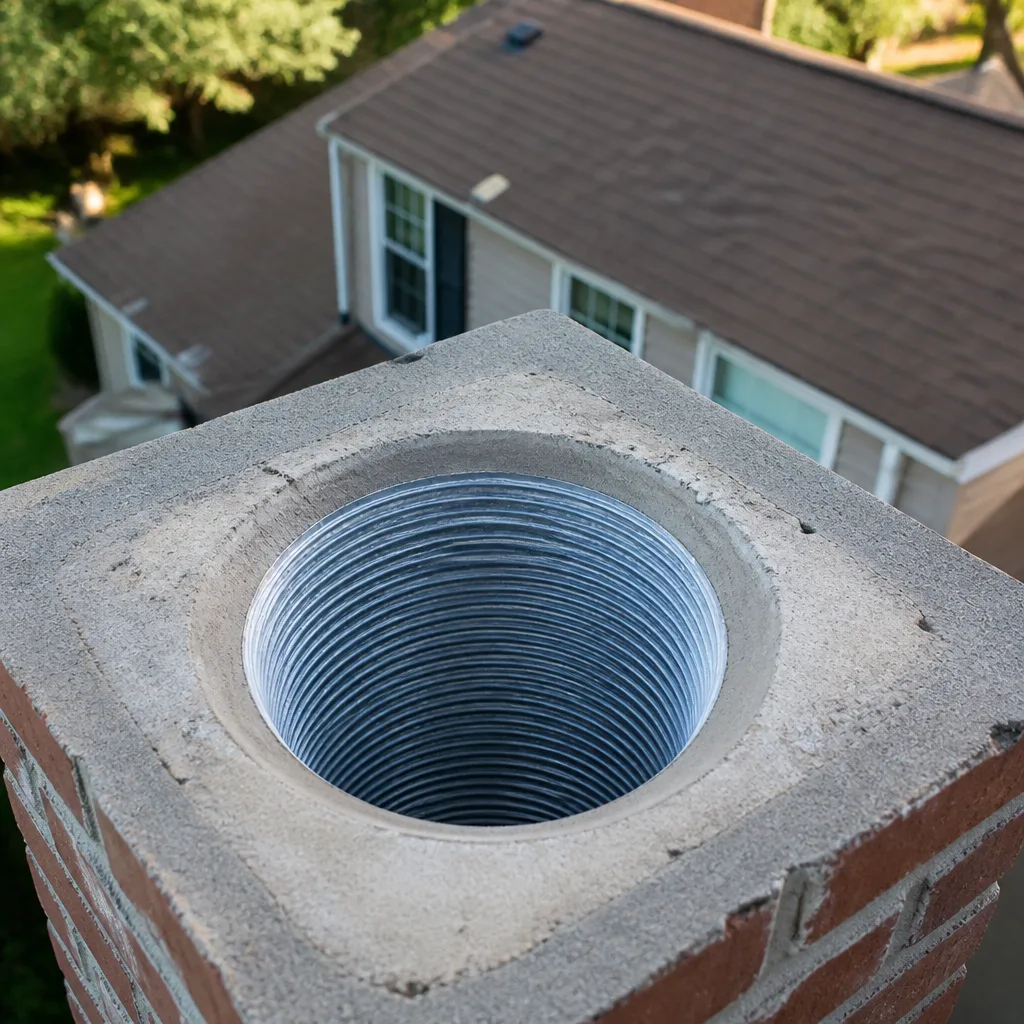 Flue relining
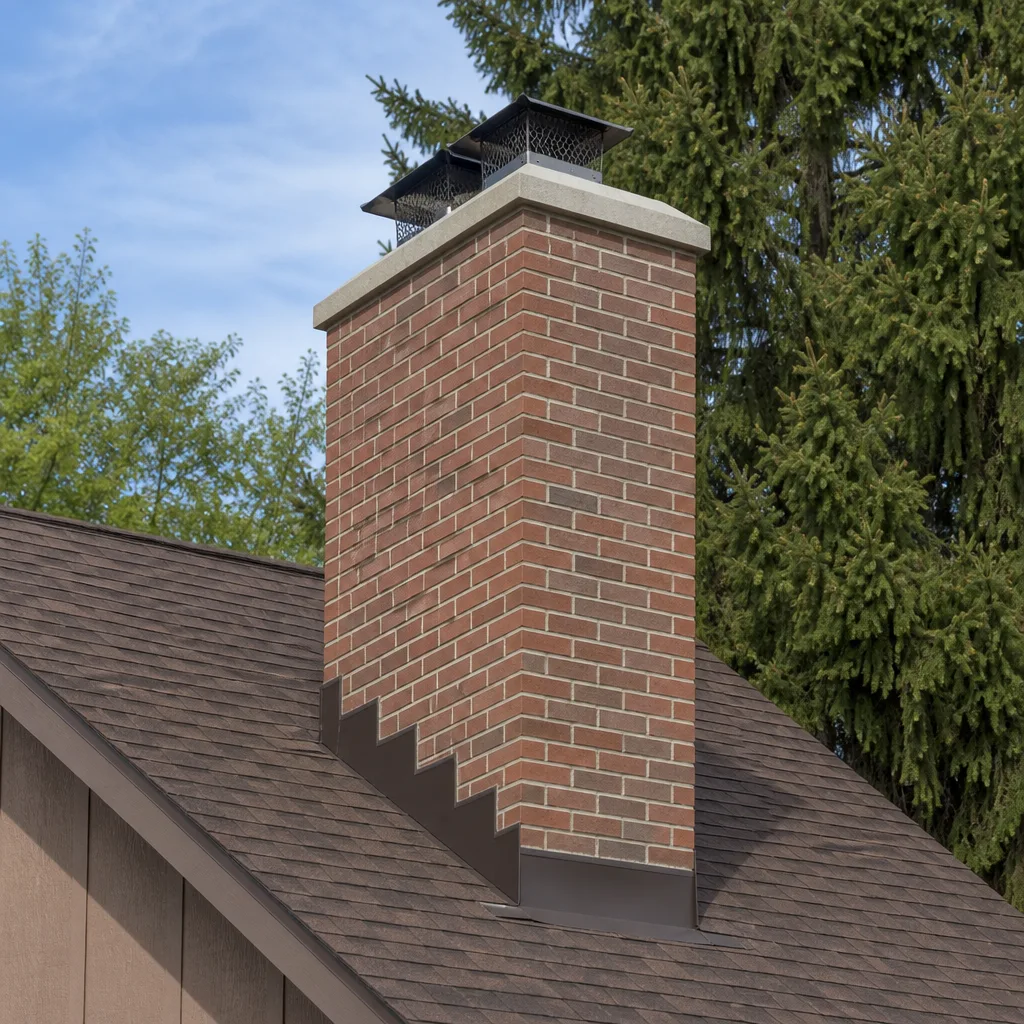 Masonry repair
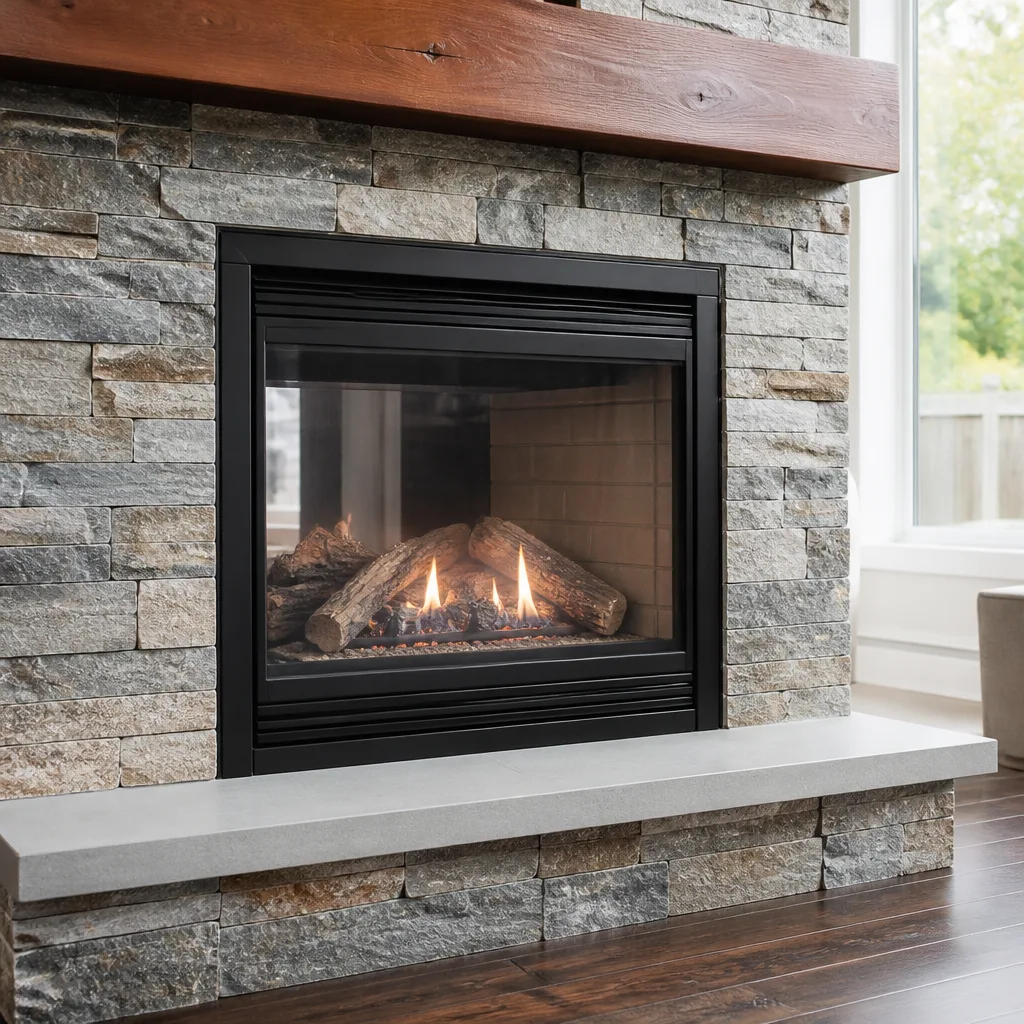 Gas fireplace service
Level 1 sweep and inspection to the NFPA 211 annual standard - flue, crown, cap, and flashing checked and photographed
Chimney sweep logs do not sweep chimneys. They loosen some creosote - which then falls where a brush and vacuum still have to collect it.
Choosing the Right Chimney Cleaning Brand: A Buyer’s Guide for Pacific Beach
Most homeowners spend more time choosing a bottle of wine than the products that go onto and into their chimney. That’s a problem. A chimney crown coated with a masonry waterproofing product not formulated for freeze-thaw or salt exposure will begin to delaminate within two seasons, while a trade-grade elastomeric crown coat from a supplier like SaverSystems or Chimney Saver is engineered to flex with thermal expansion. The same principle applies to caps, liners, and sealants. This guide explains what “professional-grade” actually means in concrete material terms, why it matters more in Pacific Beach than almost anywhere else in the country, and how to ask your contractor the questions that reveal whether you’re getting a real system or a hardware-store patch job. For The Complete Chimney Sweep Guide for Pacific Beach Homeowners and more guides & resources, see our blog.
Styles & brands we work with
- Sweep & inspection
- Caps & crowns
- Flue relining
- Masonry repair
- Gas fireplace service
Quick Answer
The right chimney cleaning brand is not a single name but a supplier chain: a contractor who sources creosote modifiers, crown sealants, caps, and liner materials from professional trade brands like HeatShield, Gelco, or Olympia Chimney rather than retail-grade equivalents. In Pacific Beach, where salt air corrodes galvanized steel within three to five years, material choice determines whether a repair lasts two seasons or two decades. Ask any contractor what product lines they stock and who their trade supplier is. If they answer with a brand you recognize from the hardware store shelf, keep looking. See DIY vs Professional Chimney Cleaning: The Pacific Beach Homeowner’s Decision Guide for more on what separates trade-grade work from retail shortcuts.
Table of Contents
- Why Product Quality Matters More in Pacific Beach Than Most Homeowners Realize
- The Four Product Categories Behind a Complete Chimney Service
- Chimney Caps: Why Galvanized Fails Fast in Salt Air and What to Ask For
- Creosote-Modifying Sprays vs. Mechanical Removal: When Each Actually Works
- The Waterproofing Question: Chimney-Specific Sealants vs. Exterior Masonry Sealers
- Five Questions That Separate a Professional Chimney Contractor from a Generalist
- Liner Repair: What HeatShield and DuraFlex Actually Do and When You Need Them
- Dryer Vent Cleaning: The Fire Risk Most Chimney Companies Ignore
- Common Mistakes to Avoid
- When to Call a Professional
- Frequently Asked Questions
- The Bottom Line
Why Product Quality Matters More in Pacific Beach Than Most Homeowners Realize
Pacific Beach sits directly on the coast, and the salt-laden marine air does not spare chimney systems. It accelerates oxidation on metal components, stresses masonry through constant moisture cycling, and attacks sealants that were never designed for this environment. Here’s what that looks like in practice.
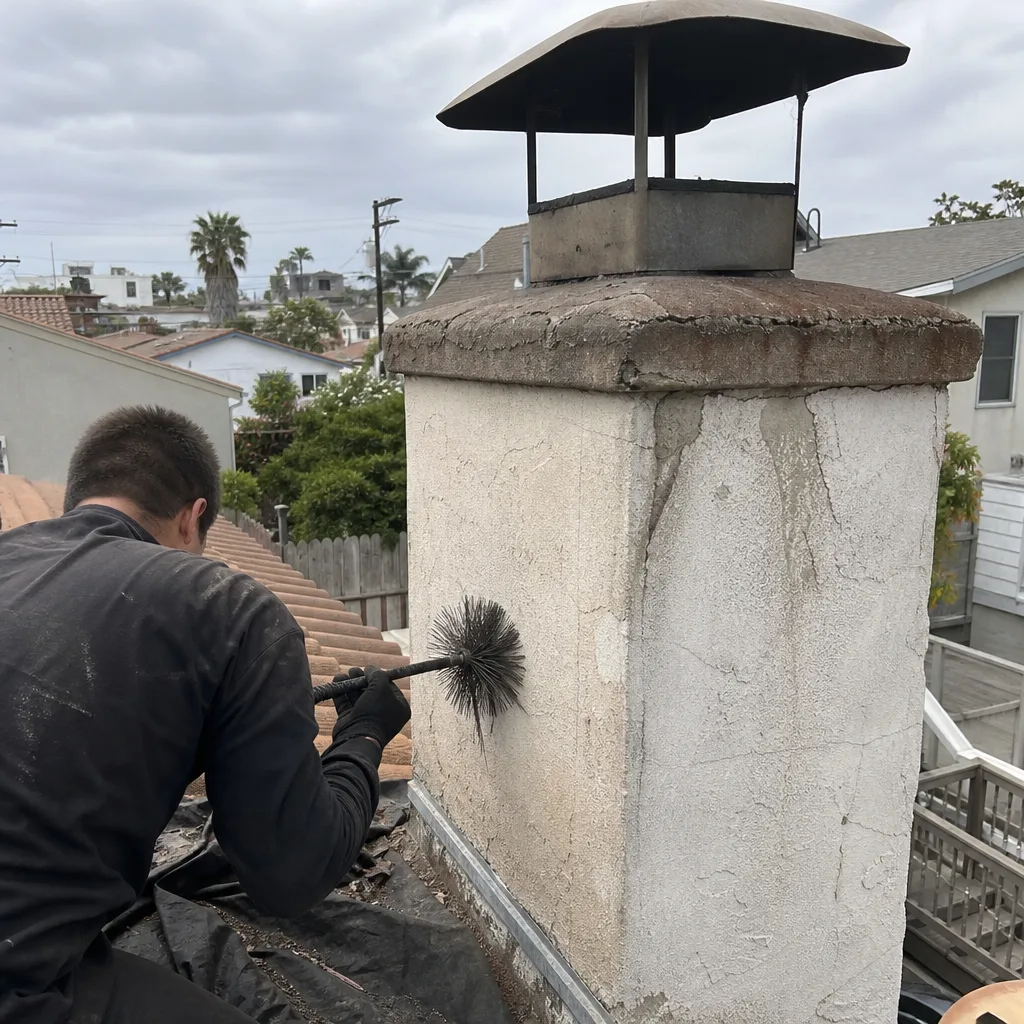
Stainless steel and galvanized steel are both used for chimney caps. Galvanized steel carries a zinc coating that protects the underlying steel until the zinc is consumed. In a dry inland climate, that might take a decade or more. In Pacific Beach, the combination of salt spray and frequent fog means the zinc layer breaks down much faster. We regularly see galvanized caps showing rust streaks and pitting within three to five years of installation. The cap is still there, but it’s no longer doing its job of keeping rain and animals out. Worse, the rust stains bleed down the chimney chase, and the damaged metal becomes a place where creosote and moisture accumulate.
Masonry faces a different version of the same problem. Brick and mortar are porous. When moisture penetrates and then dries, the salt content in the coastal air can crystallize inside the masonry pores, slowly spalling the brick surface. A chimney-specific waterproofing product like ChimneySaver Water Repellent is formulated to penetrate deeply, line the pores, and still allow the masonry to breathe. Generic exterior sealers, the kind sold for patio pavers or foundation walls, often form a surface film that traps moisture inside. In a marine environment, that trapped moisture accelerates freeze-thaw damage and salt crystallization.
This guide was written for Pacific Beach homeowners, but the principles apply to any coastal community. Explore our more guides & resources for other coastal chimney care topics. The materials matter. The supplier matters. And the person installing them matters more.
The Four Product Categories Behind a Complete Chimney Service
A professional Chimney Sweep in Pacific Beach does more than run a brush up the flue. A complete service involves four distinct product categories, each with its own quality spectrum. Understanding these categories is the fastest way to evaluate any contractor’s approach.
1. Creosote-Modifying Treatments
These are chemical products applied after mechanical sweeping to alter the structure and combustibility of creosote deposits that remain in hard-to-reach areas. Professional-grade products like Anti-Creo-Soot or Cre-Away are designed for use by certified sweeps and are not typically sold at retail. Hardware-store versions exist, but their active ingredient concentrations and delivery systems are often weaker. The point of a creosote modifier is not to replace mechanical removal. It’s to treat the thin film that the brush cannot fully dislodge, converting sticky, tar-like creosote into a dry, powdery form that is less likely to ignite and easier to remove at the next cleaning.
2. Crown Sealants
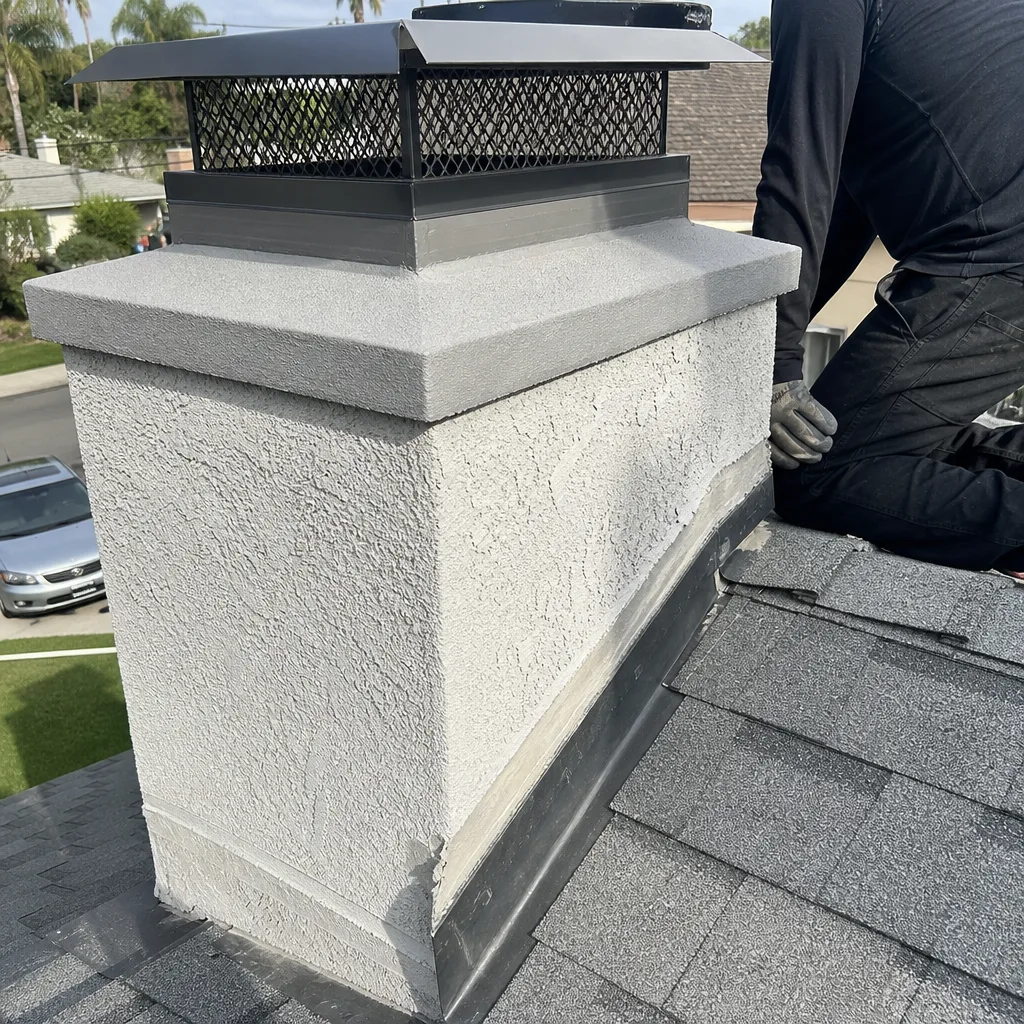
The chimney crown is the concrete slab at the top of the chimney. It takes direct weather exposure year-round. Small hairline cracks are common. A trade-grade elastomeric crown coat, such as those from SaverSystems or Chimney Saver, bridges those cracks and flexes as the crown expands and contracts with temperature changes. Retail-grade concrete patching compounds are rigid and crack again within a season or two. In Pacific Beach’s marine environment, a rigid patch is a temporary fix at best.
3. Chimney Cap Materials
Caps come in stainless steel, galvanized steel, and copper. The material determines the cap’s lifespan, and in coastal climates, stainless is the only material we recommend. The gauge of the stainless matters too. A 22-gauge stainless cap is flimsy. A 16-gauge or 18-gauge cap withstands wind, salt spray, and the occasional dropped branch far better. This is a core part of the Chimney Repair in Pacific Beach conversation.
4. Draft-Sealing and Joint Compounds
Chimney systems have joints: where the flue tile sections meet, where the clay liner sits in the masonry, and where the thimble connects an appliance. A professional chimney contractor uses high-temperature refractory caulk or furnace cement to seal these joints and maintain proper draft. General-purpose silicone or construction adhesive cannot withstand flue gas temperatures and will fail, sometimes within a single burning season.
If a contractor cannot name the products they use in each of these four categories, they are likely using whatever is on the shelf at the local hardware store. That is not always a dealbreaker for a simple sweep, but it is a warning sign for anything involving repairs, liners, or weatherization.
Chimney Caps: Why Galvanized Fails Fast in Salt Air and What to Ask For
The chimney cap is the first line of defense against rain, birds, squirrels, and wind-driven debris. It’s also the chimney component most exposed to Pacific Beach’s salt-laden air. Choosing the wrong metal means replacing the cap in a few years and possibly dealing with the water damage that occurred in the meantime.
Here’s the material breakdown, with the Pacific Beach climate in mind:
- Galvanized steel: The zinc coating corrodes quickly in marine air. Expect visible rust within three to five years. Once the zinc is gone, the underlying steel rusts through. Not recommended for coastal chimneys.
- 304 stainless steel: The standard for coastal applications. The chromium content forms a self-healing oxide layer that resists salt spray. A 16-gauge or 18-gauge 304 stainless cap will typically outlast the mortar joints around it.
- 316 stainless steel: Marine-grade stainless with added molybdenum for superior chloride resistance. It costs more than 304, but for chimneys within a block or two of the beach, it’s the best available option.
- Copper: Beautiful and extremely corrosion-resistant, but expensive and sometimes less structurally rigid than a stainless steel equivalent. Copper caps are a style choice more than a performance choice.
When you’re evaluating a cap, ask two specific questions. First: “What alloy is this cap made from?” If the answer is just “stainless steel,” ask whether it’s 304 or 316. If the contractor doesn’t know, that’s a sign they’re selling a commodity product. Second: “What gauge is the metal?” Thinner metal dents more easily, rattles in strong coastal winds, and has a shorter fatigue life. For a Pacific Beach chimney, we recommend 18-gauge or thicker 304 stainless at a minimum.
There’s a reason we stock and install caps from trade brands like Olympia Chimney and Famco. These manufacturers produce caps to specific engineering tolerances and publish their alloy and gauge specifications. The same cannot be said for every no-name cap sold online or at a big-box store.
Creosote-Modifying Sprays vs. Mechanical Removal: When Each Actually Works
Creosote is the byproduct of incomplete wood combustion. It deposits on flue walls as a sticky, tar-like substance in three stages: flaky soot, a porous granular material, and finally a hard, glassy glaze. Stage three creosote is extremely difficult to remove with brushes alone and is the primary fuel source for chimney fires.
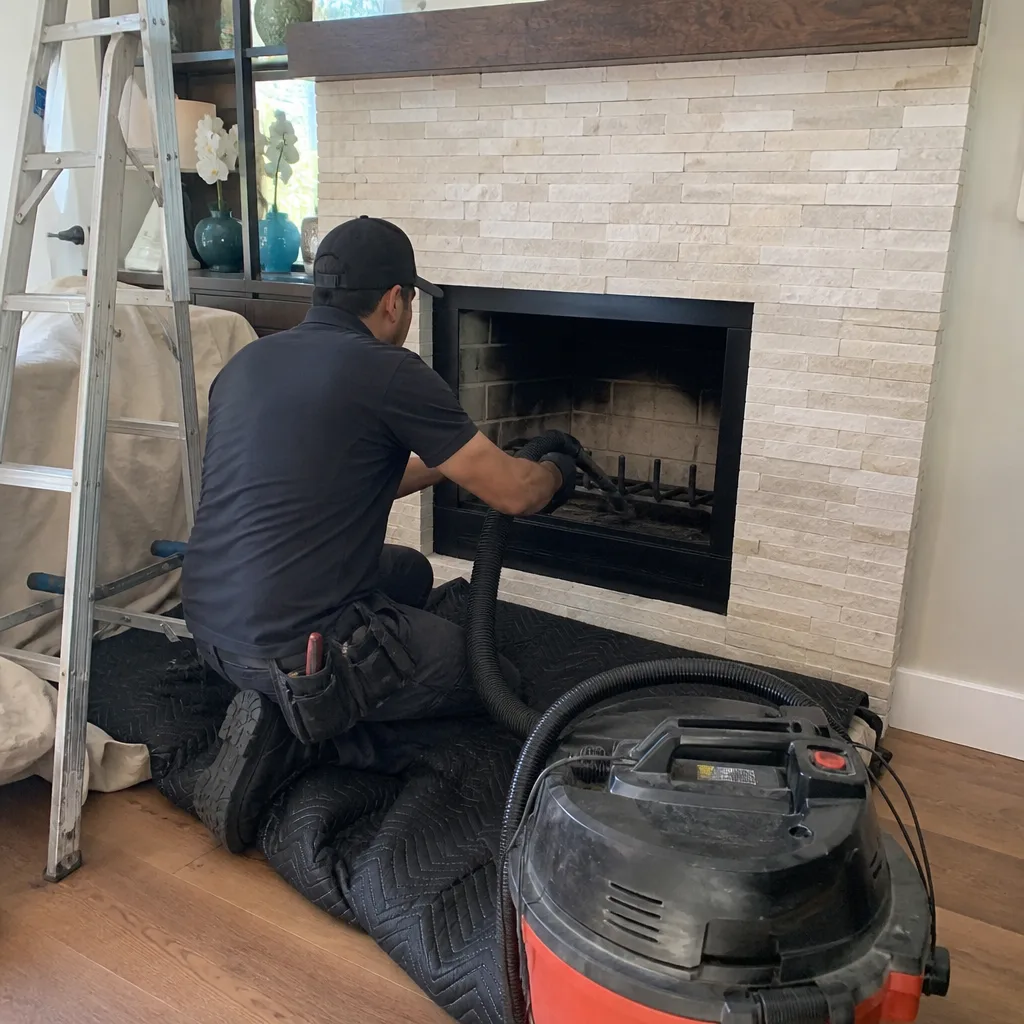
Mechanical removal, using brushes sized to the flue and sometimes rotary chains or rods, is the foundation of any professional chimney sweep. There is no chemical substitute for physically removing creosote deposits. Anyone who tells you otherwise is selling a shortcut.
Chemical creosote modifiers have a legitimate but narrower role. Products like Anti-Creo-Soot, Cre-Away, and certain Magnesium-based powders work by chemically altering residual creosote. Specifically, they break down the hydrocarbon bonds in stage one and two creosote, converting the sticky tar into a dry, powder-like residue that falls away or is easily removed at the next sweep. The key phrase there is “residual.” A modifier is a maintenance aid applied after a proper cleaning. It is not a replacement for the cleaning itself.
Here’s a numbered list of how a professional sweep typically approaches creosote:
- Inspect the flue with a camera or direct visual assessment to determine creosote thickness and stage.
- Mechanically remove all accessible deposits with brushes, rods, or rotary equipment matched to the flue dimensions and liner material.
- Assess whether stage three glaze remains in hard-to-reach areas. If so, discuss mechanical options like chains or chemical glaze removers used under controlled conditions.
- Apply a creosote modifier to treat the thin residual film and slow future accumulation. This step is optional but beneficial for frequent burners.
- Document the before and after condition with photos or video, so the homeowner can see exactly what was removed.
If a company offers a “chemical sweep” that involves spraying a product and calling it a cleaning, walk away. That is not a service. It is a coating over the problem. The Chimney Sweep Pacific Beach home page explains our full cleaning process in more detail.
The Waterproofing Question: Chimney-Specific Sealants vs. Exterior Masonry Sealers
Water is the enemy of masonry chimneys. It enters through porous brick and mortar, saturates the system, and then does its damage through freeze-thaw cycling, salt crystallization, and efflorescence. In a coastal climate like Pacific Beach, the wetting and drying cycles happen more frequently, and the moisture carries more corrosive minerals.
The fix is waterproofing, but the product category matters enormously. There are two broad types of products sold for masonry protection:
- Exterior masonry sealers: These are surface coatings, typically acrylic or silicone-based, sold at hardware stores for use on pavers, retaining walls, and foundation blocks. They form a film on the surface. The problem: that film traps moisture inside the masonry. A chimney is a heated structure. Moisture inside the brick and mortar wants to escape as vapor. When it can’t, the trapped water expands and contracts with temperature changes, accelerating spalling and mortar joint failure. The film also wears unevenly, leaving unprotected patches.
- Chimney-specific penetrating water repellents: Products like ChimneySaver Water Repellent are engineered for this exact application. They are silane- or siloxane-based penetrating treatments. They soak into the masonry pores, chemically bond to the mineral structure, and create a hydrophobic barrier that repels liquid water while remaining vapor-permeable. The chimney can still breathe, moisture can still escape, and the masonry stays protected. A single application typically lasts ten years or more.
The distinction matters because the wrong product actively makes the problem worse. A Pacific Beach homeowner who applies a big-box masonry sealer to their chimney crown thinking they’re protecting their investment is actually trapping moisture inside the system. In a salt-air environment, that trapped moisture carries chlorides that accelerate masonry deterioration.
When we perform chimney weatherization, we specify the product by name and explain what it is and why it’s the right choice for this climate. We use trade-grade materials from suppliers like Gelco because they’re formulated for flue systems, not for general masonry. If a contractor cannot name the waterproofing product and explain the difference between a penetrating treatment and a surface film, they’re not managing water. They’re sealing it in.
Five Questions That Separate a Professional Chimney Contractor from a Generalist
Here is the fastest way to evaluate any chimney service company before you book.
- “What product lines do you stock and install?” A professional answer includes specific brand names like HeatShield, Olympia Chimney, Famco, or DuraFlex. A generalist answer is something like “we use quality materials.” Every contractor says they use quality materials. The question is whose materials.
- “Who is your trade supplier?” Professional chimney contractors buy from regional or national chimney supply houses. These suppliers stock the same product lines used by certified sweeps nationwide and keep damaged or defective inventory out of circulation. Generalists buy from big-box retailers. Both types of contractor may use the same words, but the source tells you what’s actually going into your home.
- “Can you show me the before and after photos during the visit?” A professional sweep documents the flue condition with a camera and shares the results. This is standard practice for companies that do repair work, because the photos are the evidence for any recommendation. A generalist will often skip the camera entirely.
- “Do you do liner repair and resurfacing in-house?” Many chimney sweep companies only sweep. They will clean your chimney and then refer you to someone else for any repair. A full-service company handles sweep, repair, and resurfacing under one roof. When a company does both the sweep and the repair, the recommendations are informed by what the sweep actually revealed.
- “What’s your process for dryer vent cleaning, and do you do it yourself?” This is a tell. Most chimney companies refer dryer vent work out or don’t offer it at all. But dryer vent cleaning uses the same mechanical principles and fire-safety standards as chimney sweeping. A company that handles both in-house is thinking about the whole ventilation system, not just the chimney. We cover this in a separate guide to Dryer Vent Cleaning in Pacific Beach.
None of these questions requires technical expertise to ask. But the answers tell you almost everything you need to know.
Liner Repair: What HeatShield and DuraFlex Actually Do and When You Need Them
The flue liner is the most important safety component in your chimney system. It contains the heat and combustion gases, insulates the surrounding masonry, and protects against creosote ignition. Liners fail over time. Clay tile liners crack from thermal stress, moisture damage, or simply age. When that happens, the chimney is no longer safe to use until the liner is repaired or replaced.
There are two primary repair paths, and they are not interchangeable.
HeatShield flue resurfacing is a repair-tier solution for liners that are deteriorating but still structurally intact. The system involves cleaning the flue, applying a primer, and then applying a Cerfractory material designed to bond to the existing liner and create a smooth, insulated, and sealed surface. HeatShield is not a thin wash coat. It’s a structural ceramic resurfacing system that restores the liner’s integrity without a full teardown. It works best for clay tile liners with moderate cracking, eroded mortar joints, or missing tiles. The result is a smooth, UL-approved surface that reduces creosote accumulation and restores draft.
A key advantage of HeatShield in a Pacific Beach context is speed and disruption. Full liner replacement through a masonry chimney often requires breaking through the chimney face. HeatShield resurfacing can usually be done from the top with minimal demolition. For a homeowner with an active fireplace and an aging clay liner, resurfacing can add years of safe service without the cost and mess of replacement.
DuraFlex flexible liner installation is a different category of work. DuraFlex is a flexible stainless steel liner system used to reline chimneys for fireplaces, wood stoves, or heating appliances. It is the choice when the original liner has failed, or when an appliance conversion requires a new, matched-diameter flue. A flexible liner installation is a structural upgrade. Many sweep-only operators cannot perform this work because they lack the training, tooling, and supply chain for professional liner systems.
We stock and install both HeatShield and DuraFlex systems. The decision between resurfacing and relining depends on the existing liner’s condition, the appliance type, and the chimney’s dimensions. The critical point is that the recommendation should be based on camera evidence. We never recommend a liner repair without first showing the homeowner the camera footage that documents the damage. You should not accept a liner recommendation from any company without seeing that evidence yourself.
Dryer Vent Cleaning: The Fire Risk Most Chimney Companies Ignore
Dryer vent buildup is one of the most common and preventable causes of residential fires. Lint accumulates in the vent pipe, restricts airflow, and can ignite when the dryer’s heating element reaches high temperatures. According to the National Fire Protection Association, thousands of dryer fires occur every year in the United States, and the leading cause is failure to clean the vent.
Most chimney companies do not offer dryer vent cleaning. It falls outside their scope, so they refer it out or ignore it entirely. That is a problem for homeowners, because a dryer vent is a ventilation and fire-safety system that uses the same principles as a chimney: heat, airflow, and combustible buildup.
We handle dryer vent cleaning as a core service, in-house, using the same mechanical cleaning principles we apply to chimneys. A professional dryer vent cleaning involves more than the flexible brush kits sold at hardware stores. Those kits reach a few feet into the vent and leave most of the lint behind. A professional service uses rotary brushes and high-powered vacuums to clean the full length of the vent run, from the dryer connection to the exterior termination.
The benefit of a combined chimney and dryer vent visit is simple: one appointment, one team, and two fire-safety systems handled. We can clean your chimney and your dryer vent in a single visit. We also inspect the vent termination for proper airflow and check for conditions like bird nests or damaged vent covers that a dryer-only service might miss.
Common Mistakes to Avoid
- Choosing a cap by price alone. A galvanized cap may cost $30 less than a 304 stainless cap, but in Pacific Beach it will rust in three to five years and likely fail before the next scheduled inspection.
- Accepting a sweep without camera documentation. If a contractor cannot show you what the flue looked like before and after the cleaning, you have no way to verify that the work was done thoroughly or that a repair recommendation is legitimate.
- Using a general exterior masonry sealer on the chimney. Surface-film sealers trap moisture inside the masonry. In a coastal environment with frequent wetting and drying cycles, this accelerates spalling. Use a chimney-specific penetrating water repellent.
- Relying on creosote-modifying sprays as a substitute for sweeping. Chemical treatments are a maintenance aid, not a cleaning method. Spraying a product up the flue and calling it a sweep is a shortcut that leaves combustible deposits in place.
- Hiring a company that cannot discuss liner repair. A sweep-only company will clean your chimney and then leave you to find another contractor for any repair. A full-service company can handle both, and the recommendations are more reliable because they’re based on what the sweep actually revealed.
- Ignoring the dryer vent. Dryer fires are common, preventable, and almost always caused by lint buildup that nobody ever cleaned. A combined chimney and dryer vent service visit addresses both major ventilation fire risks in one appointment.
- Not asking who the supplier is. The same product category sold through different supply chains is not the same product. Trade suppliers stock professional-grade materials. Retail shelves stock commodity equivalents. The difference shows up in lifespan and performance.
When to Call a Professional
Call a professional if your chimney has not been inspected or swept within the past 12 months, or if you are burning more than one cord of wood per season. Call if you notice any of these signs: visible creosote flakes in the firebox, a burning smell even when the fireplace is not in use, animals or debris in the chimney, rust stains or water damage on the ceiling near the chimney, or a dryer that takes longer than normal to dry clothes. Any of these indicates a ventilation or fire-safety issue that needs professional assessment. Chimney Sweep Pacific Beach offers free estimates in Pacific Beach. Call (866) 282-7711 to schedule a visit.
Frequently Asked Questions
The best approach is not to choose a single consumer brand, but to choose a contractor who uses professional trade materials. Our Complete Guide to Chimney Cleaning in Pacific Beach covers how to evaluate those materials in detail. We source from brands like HeatShield for liner resurfacing, Gelco for sealants and coatings, and Olympia Chimney and Famco for caps and accessories. These are the same product lines used by certified chimney professionals nationwide, specifically because they perform better than retail alternatives in coastal environments like Pacific Beach. Call (866) 282-7711 for a free estimate and we’ll show you exactly what materials we use and why.
The National Fire Protection Association recommends an annual inspection and cleaning as needed, and that standard applies in Pacific Beach. Homes that burn more than one full cord of wood per season, or that burn unseasoned wood, may need cleaning more frequently. The salt-air environment does not directly increase creosote buildup, but it does accelerate corrosion on caps and other metal components, which makes the annual inspection more important here than in drier inland climates.
No. Galvanized steel caps corrode within three to five years in Pacific Beach’s salt-air environment. The zinc coating degrades rapidly, the underlying steel rusts, and the cap fails while potentially causing rust staining on the chimney. Stainless steel is the correct material. We recommend 304 stainless steel at a minimum, and 316 marine-grade stainless for chimneys very close to the beach. Call (866) 282-7711 and we’ll help you choose the right cap for your location and chimney size.
They work when used correctly, but they are not a substitute for mechanical sweeping. Creosote modifiers like Anti-Creo-Soot chemically alter residual creosote, making it less combustible and easier to remove at the next cleaning. They are a legitimate maintenance aid applied after a proper mechanical sweep. A “chemical sweep” that involves spraying a product and skipping the mechanical removal is a shortcut, not a service.
Yes. General exterior masonry sealers form a surface film that traps moisture inside the chimney. In a coastal climate with frequent wetting and drying cycles, that trapped moisture accelerates spalling, mortar deterioration, and salt crystallization. Chimney-specific penetrating water repellents like ChimneySaver are engineered to repel liquid water while allowing the masonry to breathe. The product difference is the difference between protecting your chimney and actively damaging it.
HeatShield is a ceramic resurfacing system for damaged clay tile liners. It involves priming the flue and applying a Cerfractory material that bonds to the existing liner, restoring structural integrity and creating a smooth, insulated surface. It is the right choice when a clay liner is cracked or deteriorated but the surrounding masonry is still sound. HeatShield resurfacing can add years of safe service without a full liner replacement. Call (866) 282-7711 for an estimate; we’ll show you the camera footage before recommending any liner work.
The Bottom Line
The “right chimney cleaning brand” is not a logo on a bottle. It is a supply chain: a contractor who stocks professional-grade products from trade suppliers, installs them correctly, and shows you the evidence. In Pacific Beach, the salt-air environment punishes short-term material choices. A galvanized cap rusts in five years. A surface-film sealer traps moisture and accelerates masonry damage. A hardware-store creosote spray gives false confidence while the real deposits stay in the flue. Choosing a company that uses HeatShield for resurfacing, DuraFlex for relining, and trade-brand caps and sealants from Olympia Chimney and Famco means the work holds up. That is the entire point.
Written by the team at Chimney Sweep Pacific Beach, serving Pacific Beach since 2012.
See the difference
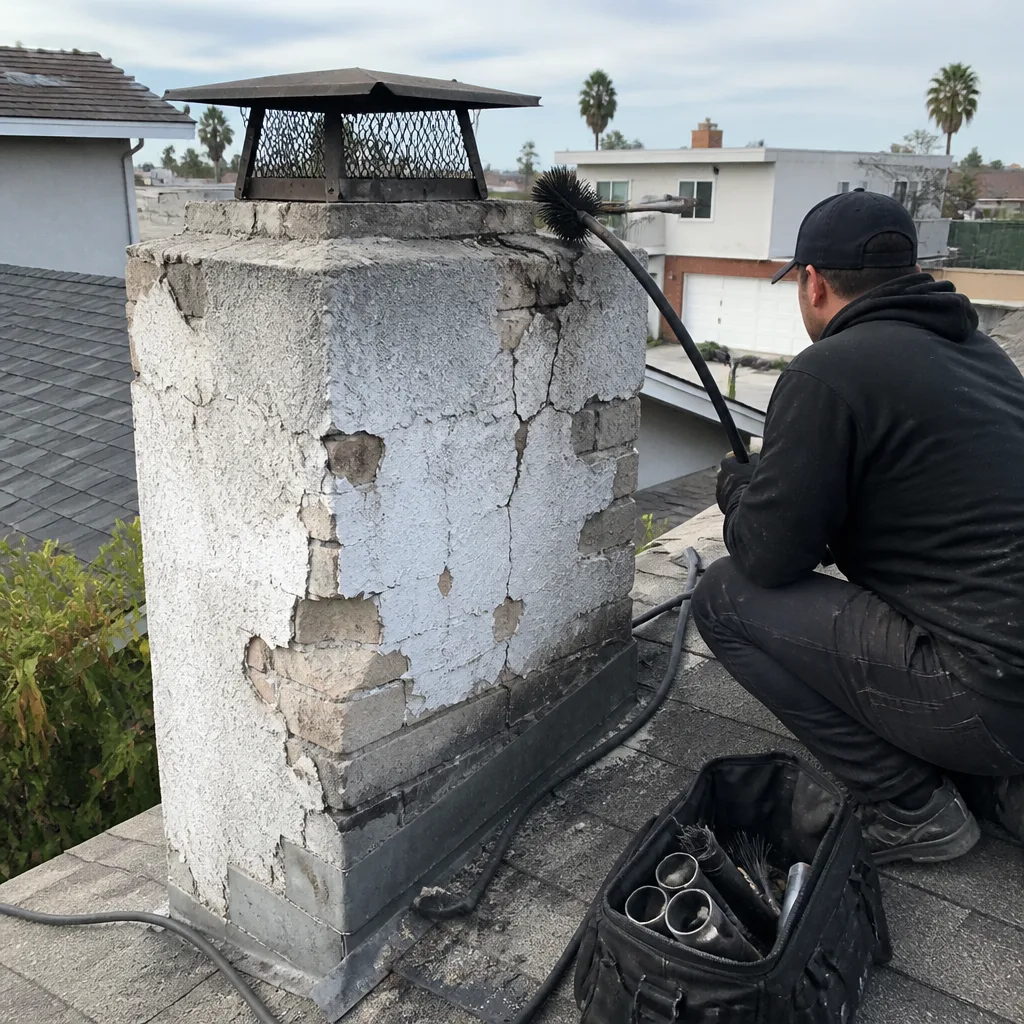 Before
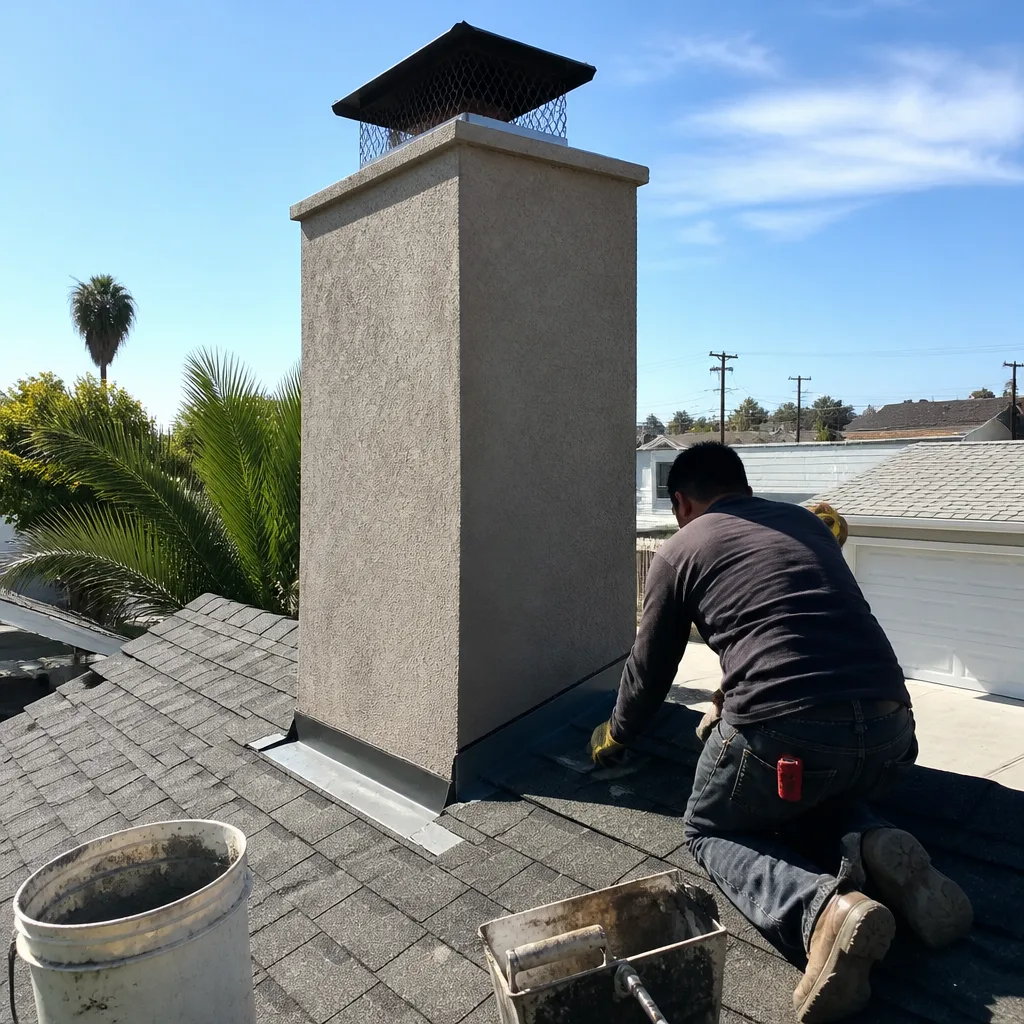 After
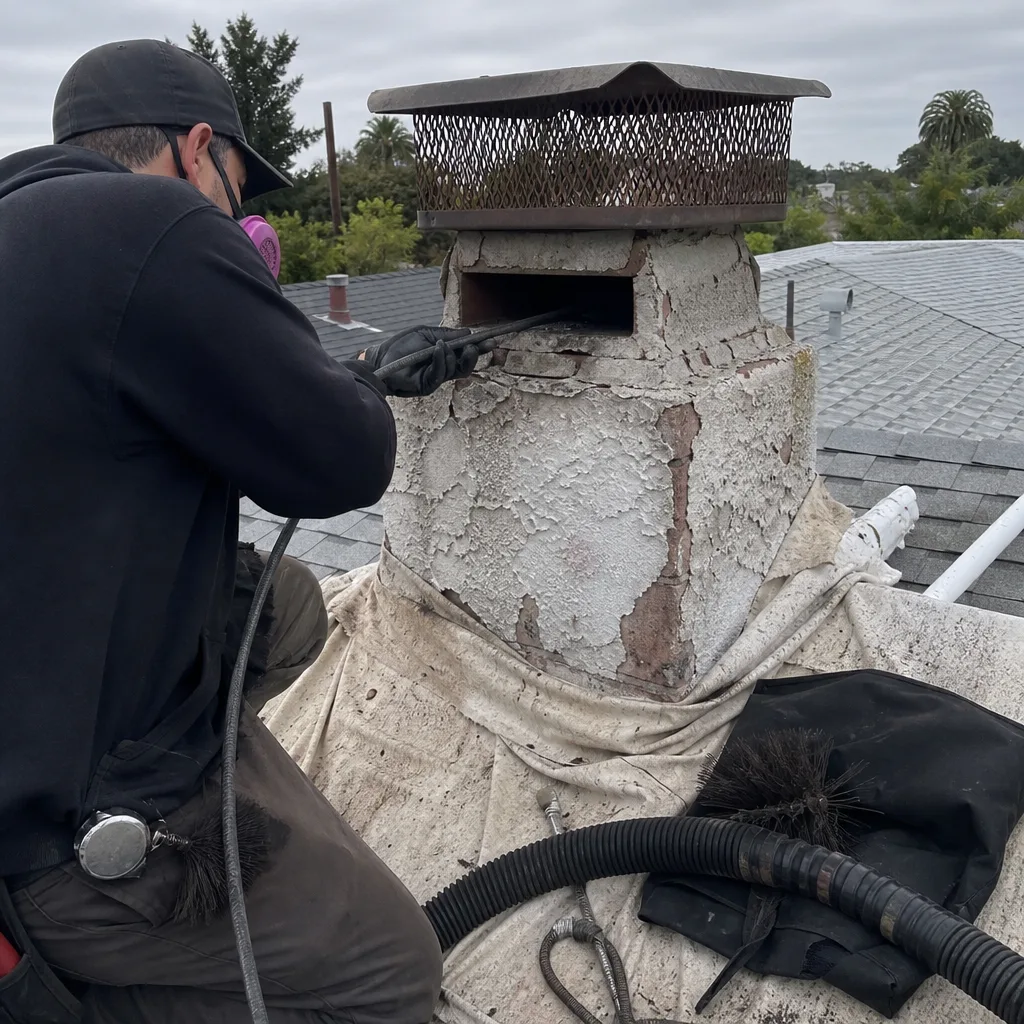 Before
 After
 Before
 After