
Last updated November 3, 2026
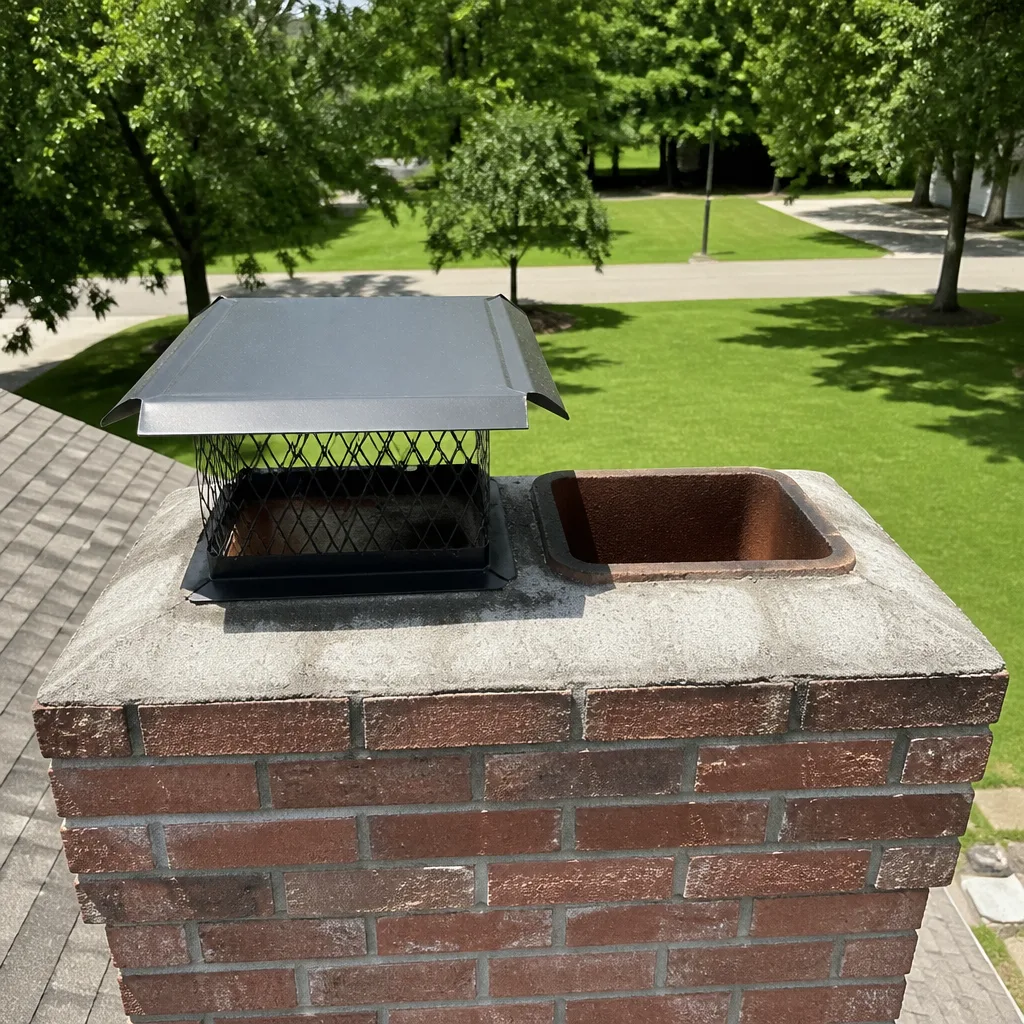 Sweep & inspection
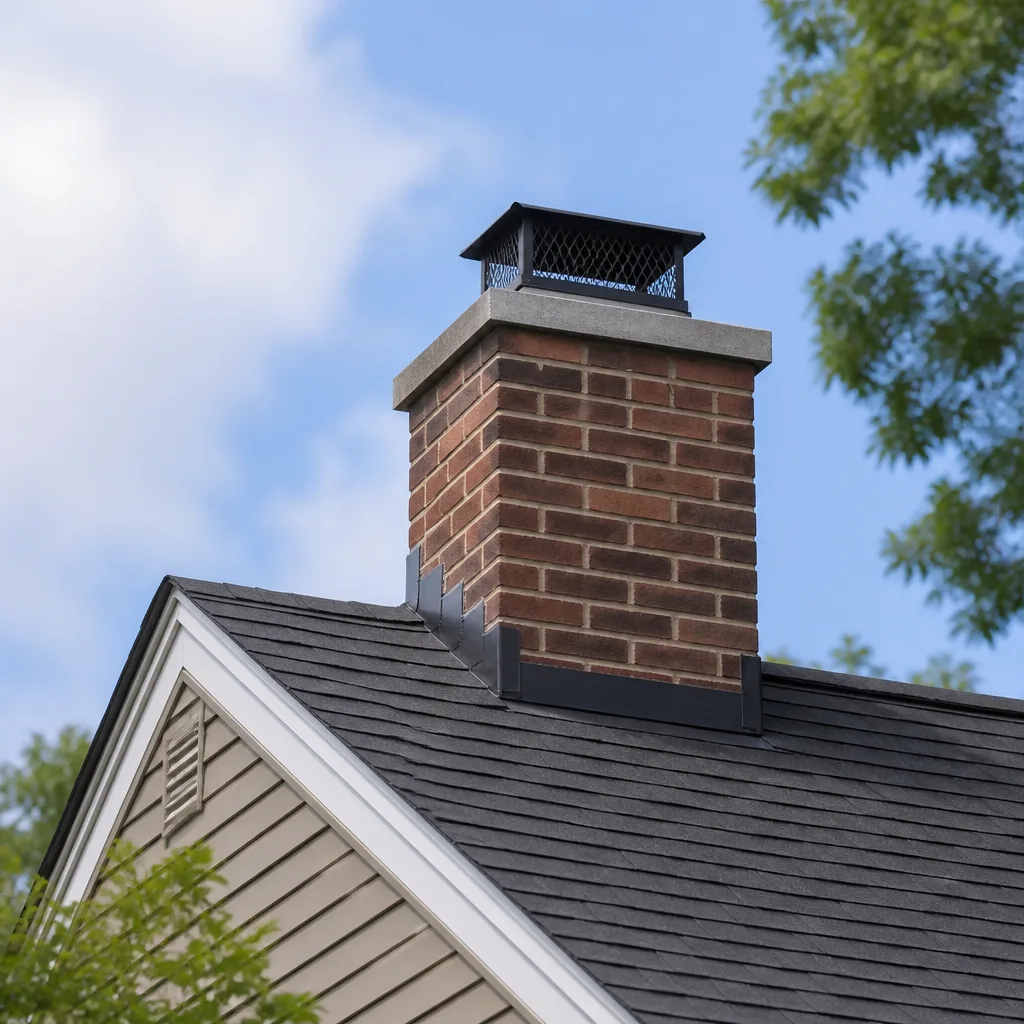 Caps & crowns
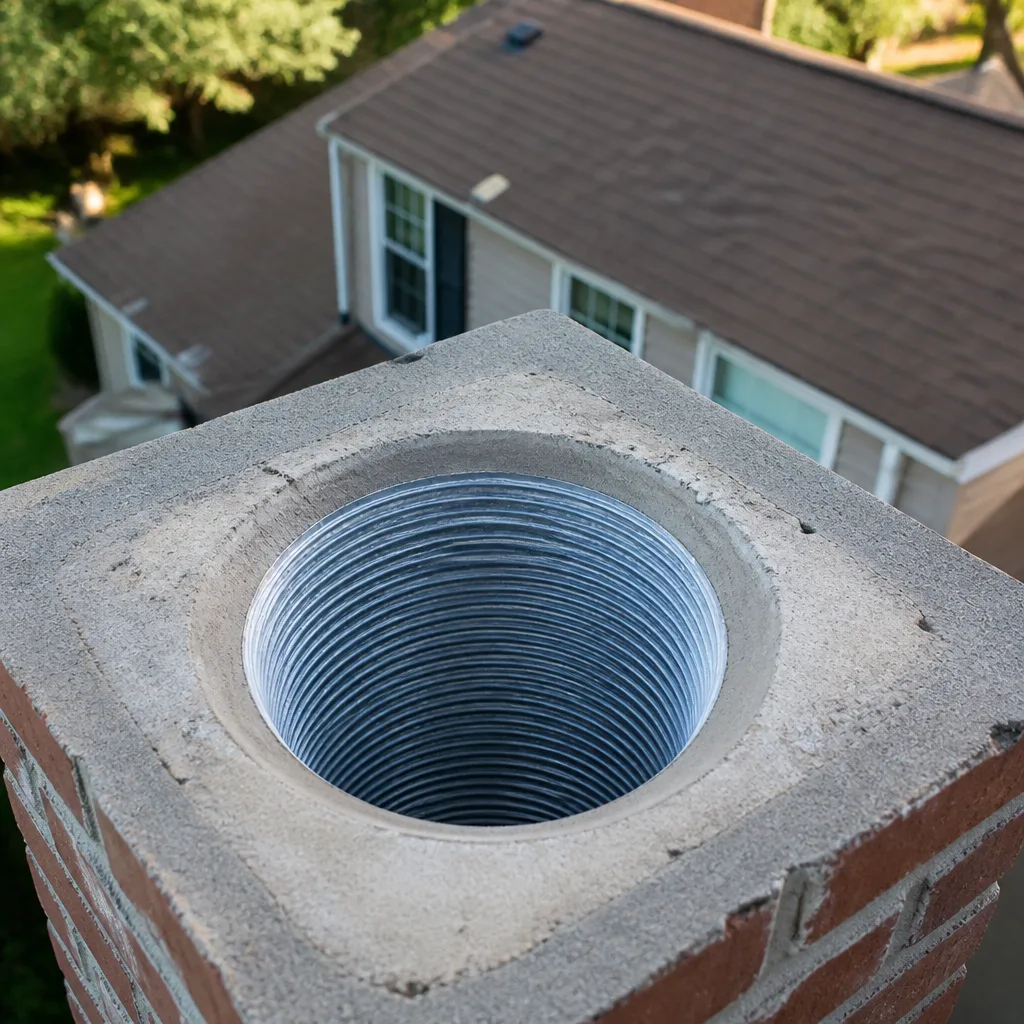 Flue relining
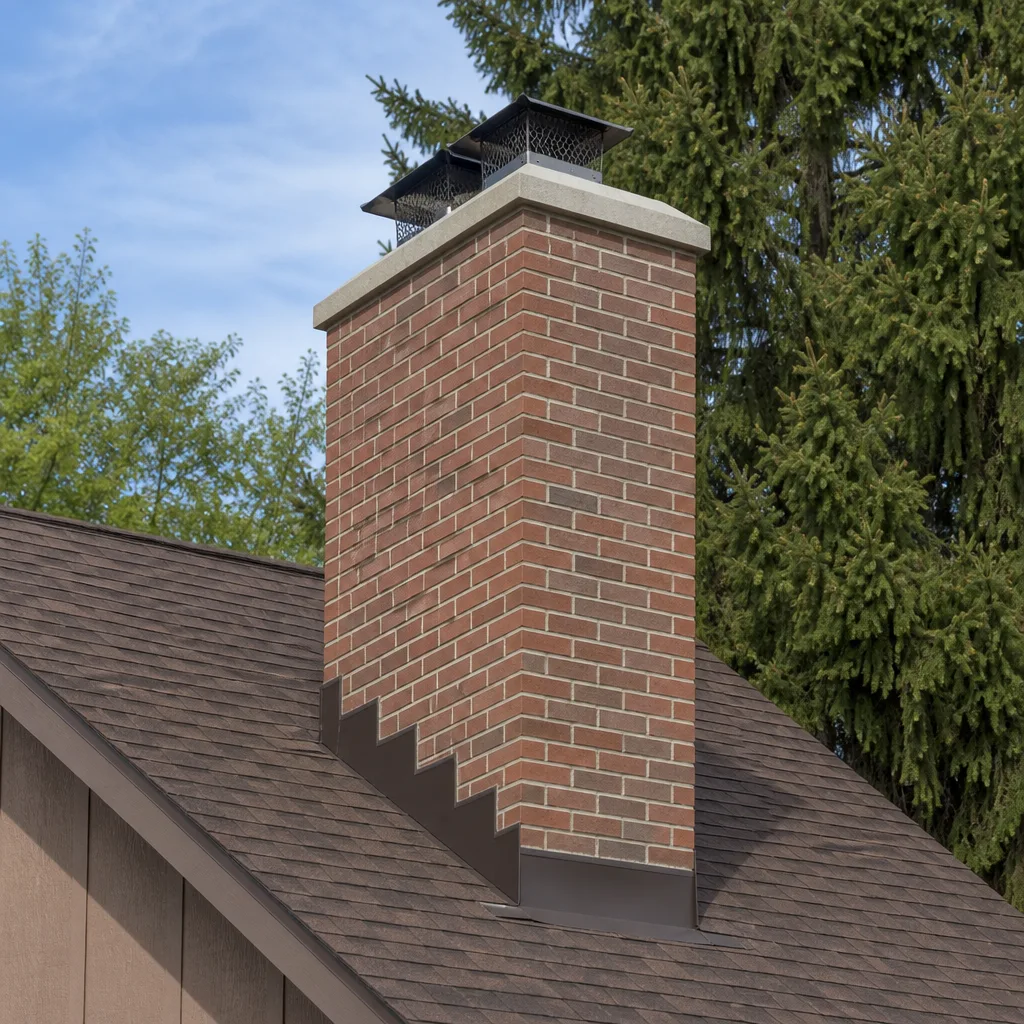 Masonry repair
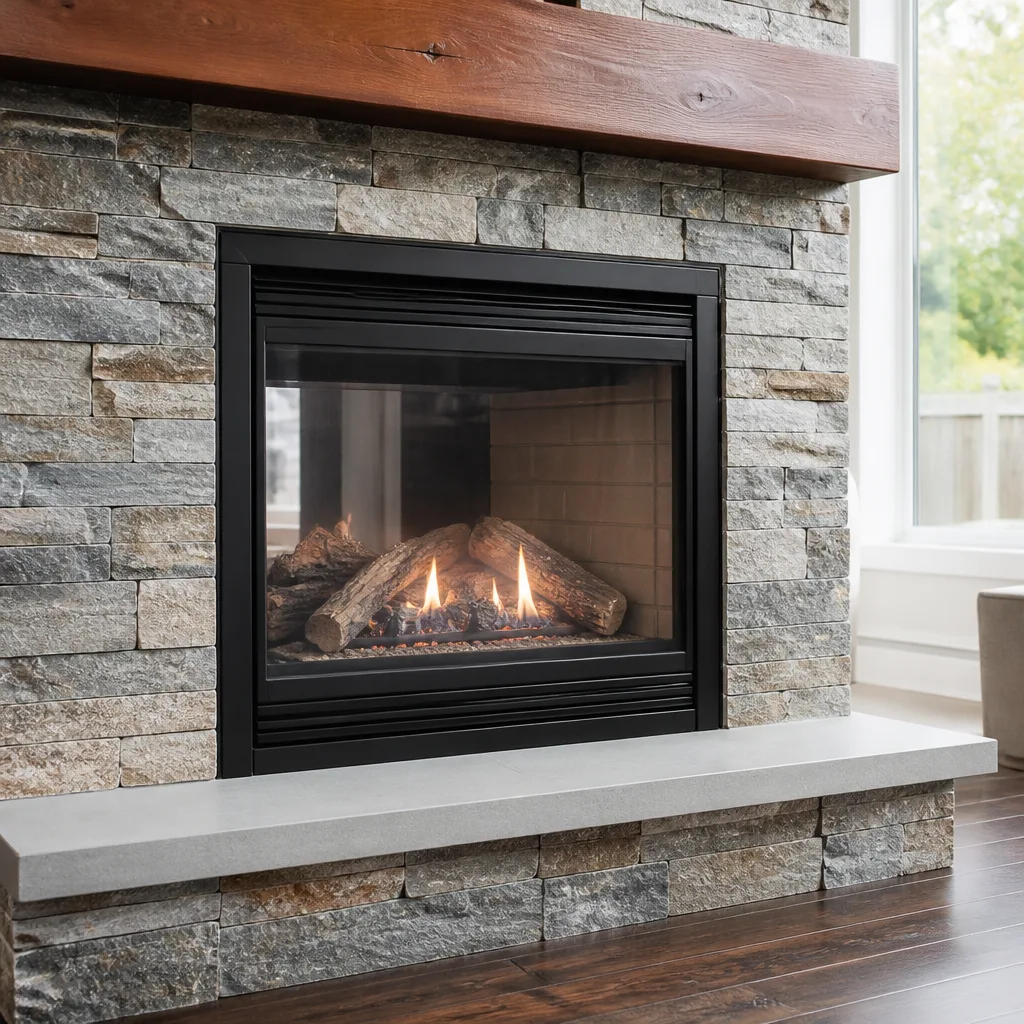 Gas fireplace service
Level 1 sweep and inspection to the NFPA 211 annual standard - flue, crown, cap, and flashing checked and photographed
Chimney sweep logs do not sweep chimneys. They loosen some creosote - which then falls where a brush and vacuum still have to collect it.
The Complete Chimney Sweep Guide for Pacific Beach Homeowners
Most Pacific Beach homeowners use their fireplace fewer than 15 times a year, which sounds safe. It isn’t. Low-use chimneys in coastal marine air accumulate moisture-driven deterioration faster than high-use ones because creosote never fully cures and salt-laden air attacks mortar year-round. This guide explains what actually matters for a chimney sitting three blocks from the Pacific, from inspection levels to liner repair to the documentation your insurance company will ask for after a fire claim. If you own a home in Pacific Beach with a fireplace you light occasionally, this is the guide your chimney has been waiting for.
Quick Answer
A chimney sweep in Pacific Beach costs between $180 and $350 for a standard Level 1 cleaning, but coastal homes with marine air exposure, infrequent burning, or stucco-wrapped chases often need a Level 2 inspection and repair work that brings the total higher. The right approach for most PB homeowners is an annual inspection paired with a cleaning when creosote reaches 1/8 inch, plus immediate repair of any mortar joint erosion or liner damage caused by salt air. Call (866) 282-7711 for a free estimate from Chimney Sweep Pacific Beach home specialists who can sweep, repair, and handle dryer vents in one visit.
Styles & brands we work with
- Sweep & inspection
- Caps & crowns
- Flue relining
- Masonry repair
- Gas fireplace service
Table of Contents
- Why Pacific Beach Marine Air Damages Chimneys Differently
- Level 1 vs. Level 2 Inspections: What PB Homeowners Actually Need
- How Infrequent Burning Affects Creosote Stages and Cleaning Methods
- The Stucco Chase Cover Problem: Hidden Liner Damage in PB Neighborhoods
- What a Professional Cleaning Log Looks Like vs. a Basic Receipt
- The Dryer Vent Connection: A Fire Risk Most Chimney Companies Ignore
- When a Sweep Isn’t Enough: Liner Repair and Resurfacing Options
- What a Chimney Sweep Costs in Pacific Beach: A Line-Item Breakdown
Why Pacific Beach Marine Air Damages Chimneys Differently
Chimneys in inland San Diego neighborhoods face heat, occasional rain, and the wear of regular winter burning. Pacific Beach chimneys face a different enemy entirely: salt. The same marine layer that keeps PB temperatures mild deposits microscopic salt particles on every exposed masonry surface. When fog rolls in, those salt crystals pull moisture deep into mortar joints. When the sun comes out, the moisture evaporates and leaves salt behind, which expands and contracts at a different rate than the surrounding brick or block.
We see the result on Pacific Beach fireboxes every week. Mortar joints that should last 50 years start crumbling after 20. Hairline cracks open in the firebox walls. The chimney crown, which sits exposed at the top of the stack, develops surface spalling that lets water into the flue. Homeowners who burn infrequently don’t notice because the damage happens slowly and silently, and by the time they call for a sweep, the repair scope has grown beyond what a brush can fix.
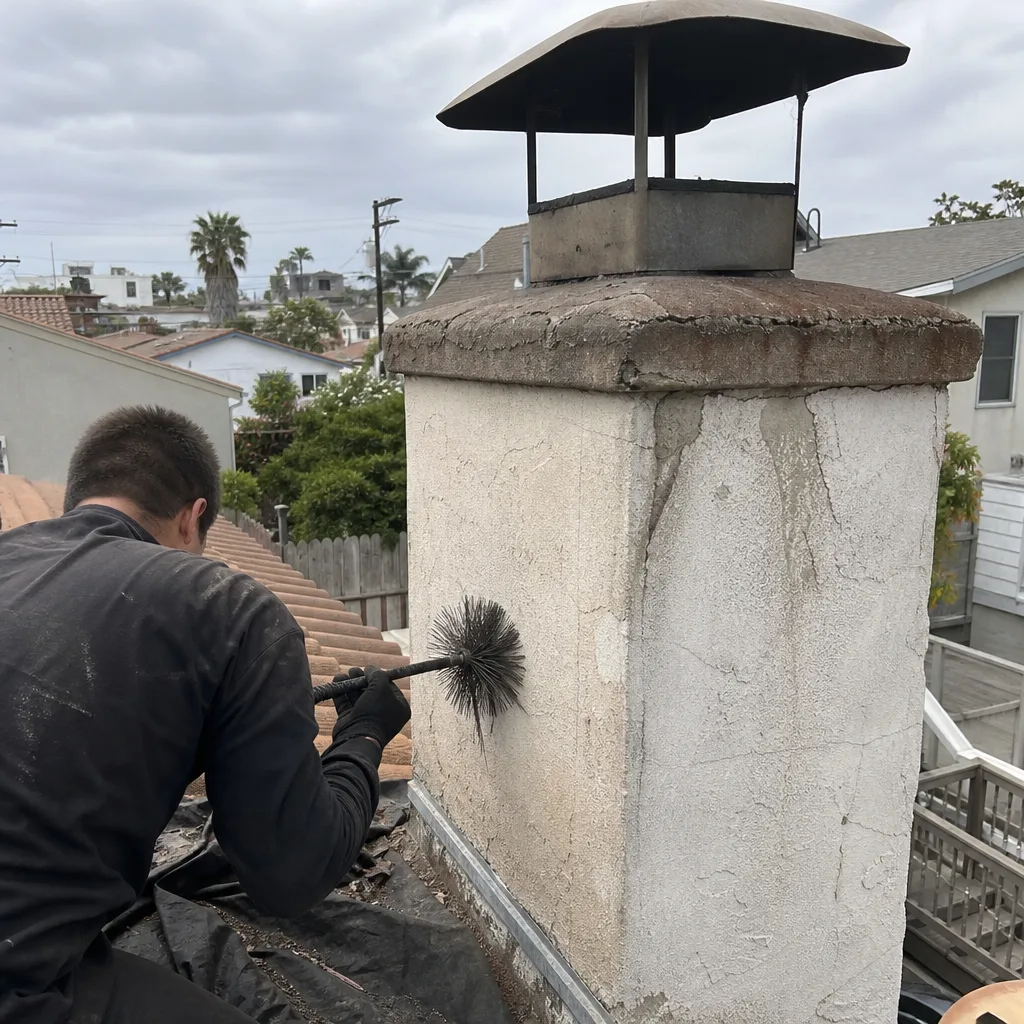
The inspection points that matter most in Pacific Beach include the chimney crown, the mortar joints in the top three feet of the stack, the flashing where the chimney meets the roof, and the firebox interior. In our experience, the crown and flashing fail first in PB because they bear the full brunt of marine air. A good sweep should include a visual check of all four points every single visit, not just when you ask.
What makes this worse is that Pacific Beach homes built in the 1950s through 1970s often used lower-density mortar mixes that absorb moisture readily. Newer construction uses Portland cement blends that resist salt intrusion better, but most PB chimneys are old enough to predate those mixes. If your home was built before 1980, assume your mortar joints are in the vulnerable category and have them checked annually.
Level 1 vs. Level 2 Inspections: What PB Homeowners Actually Need
The National Fire Protection Association defines three inspection levels. Level 1 is a visual check of accessible portions of the chimney when the system hasn’t changed and the homeowner hasn’t reported problems. Level 2 adds a camera scan or other internal inspection method and is required when the property changes hands, after a chimney fire, after an earthquake, or when the system has been modified. Level 3 involves removing portions of the chimney to access concealed areas and is rare.
Here’s what that means for Pacific Beach specifically. If you’ve owned your home for years, burn the same fireplace the same way every winter, and your last sweep found nothing concerning, a Level 1 is adequate. If you just bought a PB home and the seller’s disclosure didn’t include a recent chimney inspection, you need a Level 2. If you felt shaking from any of the small earthquakes that rattle through San Diego County periodically, you need a Level 2. If your fireplace sat unused for two or more winters, you need a Level 2 because marine air has had uninterrupted access to the interior.
California’s fire season also changes the calculation. When Santa Ana winds are forecast and the region is under red flag warnings, any chimney that hasn’t been inspected within the past 12 months should get a full camera scan before burning. Embers from a compromised chimney in a drought-adjacent neighborhood can travel farther than you’d think. A Level 2 inspection costs more than a Level 1, typically $150 to $300 more in the PB market, but it catches liner cracks and hidden blockages that a visual check misses.
- Level 1: Visual inspection of accessible interior and exterior. Right for routine annual checks when nothing has changed.
- Level 2: Camera scan of the flue interior plus everything in Level 1. Right for property transfers, post-earthquake, post-fire, or after long periods of disuse.
- Level 3: Invasive inspection requiring tool access or demolition. Only when Level 1 or Level 2 reveals a serious hazard that needs direct visual confirmation.
For Pacific Beach homeowners, the practical answer is this: get a Level 1 every year, and upgrade to a Level 2 immediately after any seismic event, any chimney fire, any period of disuse longer than 18 months, or any home purchase. The cost difference is small compared to what a missed liner crack costs to repair later.
How Infrequent Burning Affects Creosote Stages and Cleaning Methods
Creosote forms when wood smoke condenses on the inside of a chimney flue. It progresses through three stages. Stage 1 is a flaky, dusty deposit that brushes off easily. Stage 2 is a tar-like glaze that requires rotary tools or chemical treatments. Stage 3 is a hard, shiny glaze that often requires removal via specialized equipment and sometimes liner replacement. The stage you’re dealing with changes the cleaning method, the time required, and the price.
Here’s the counterintuitive part for Pacific Beach. Homeowners who burn often, like those in colder inland climates, tend to produce Stage 1 creosote because the heat of regular fires dries out the deposits and keeps them flaky. Homeowners who burn rarely, like most PB residents, produce a different problem. The occasional fire heats the flue enough to deposit creosote but not enough to fully cure it. Between burns, marine moisture settles into the partially cured creosote and binds it to the flue walls. The result is a Stage 2 deposit that forms in a fraction of the burning sessions you’d expect.
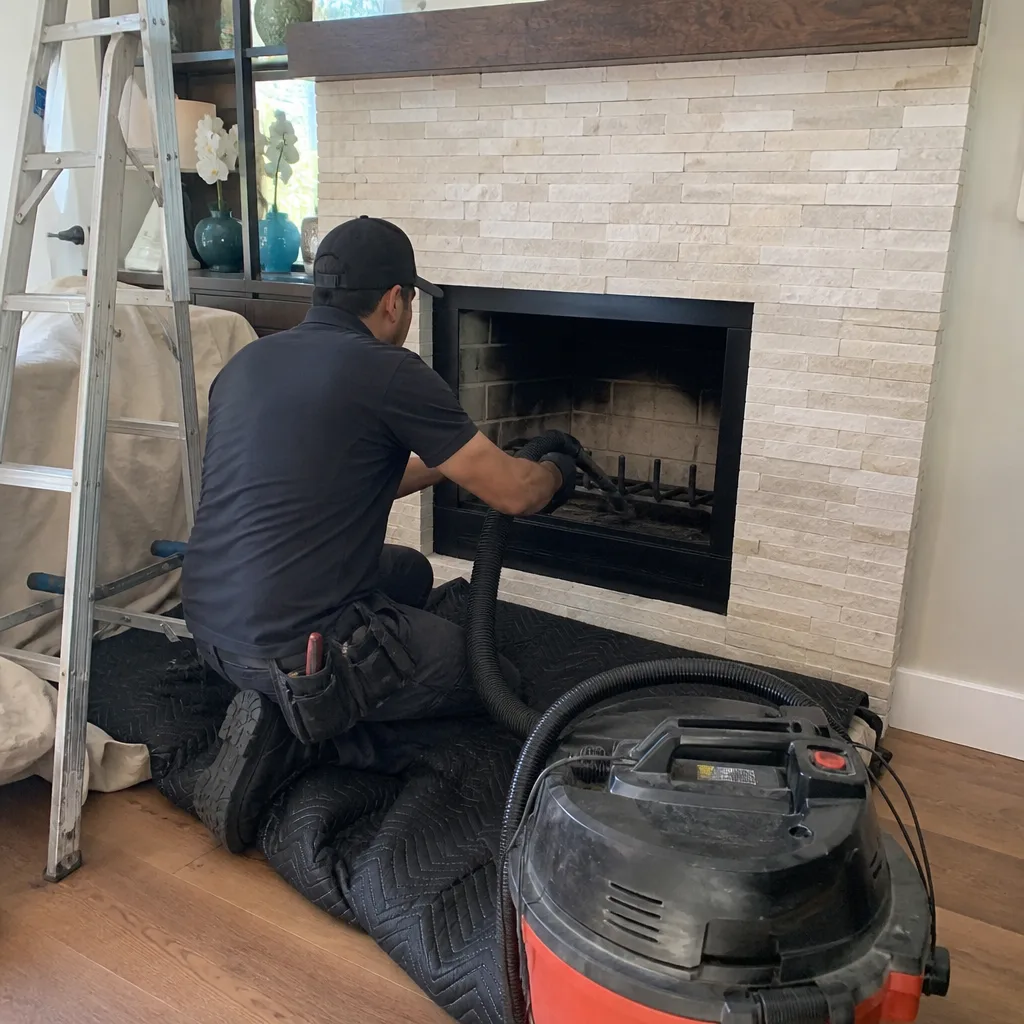
We see this pattern constantly in Pacific Beach. A homeowner burns 10 fires per winter. They assume the chimney is mostly clean because 10 fires isn’t much. In reality, those 10 fires in a salt-moist environment produce creosote that requires rotary cleaning, not just a brush. A standard sweep with a wire brush and rods won’t remove Stage 2 glaze effectively. We use rotary loop systems with flexible rods that scour the flue walls mechanically, which is the only reliable way to remove tar-like deposits without damaging the liner.
If you burn only occasionally, don’t assume that means you can skip years between cleanings. The moisture factor reverses the usual logic. Pacific Beach chimneys often need cleaning after fewer burn sessions than inland chimneys, not more. A good rule for coastal San Diego is to schedule a sweep every 12 to 18 months regardless of how many fires you actually light, because the marine environment is doing as much damage to the creosote cure rate as the fires themselves.
The Stucco Chase Cover Problem: Hidden Liner Damage in PB Neighborhoods
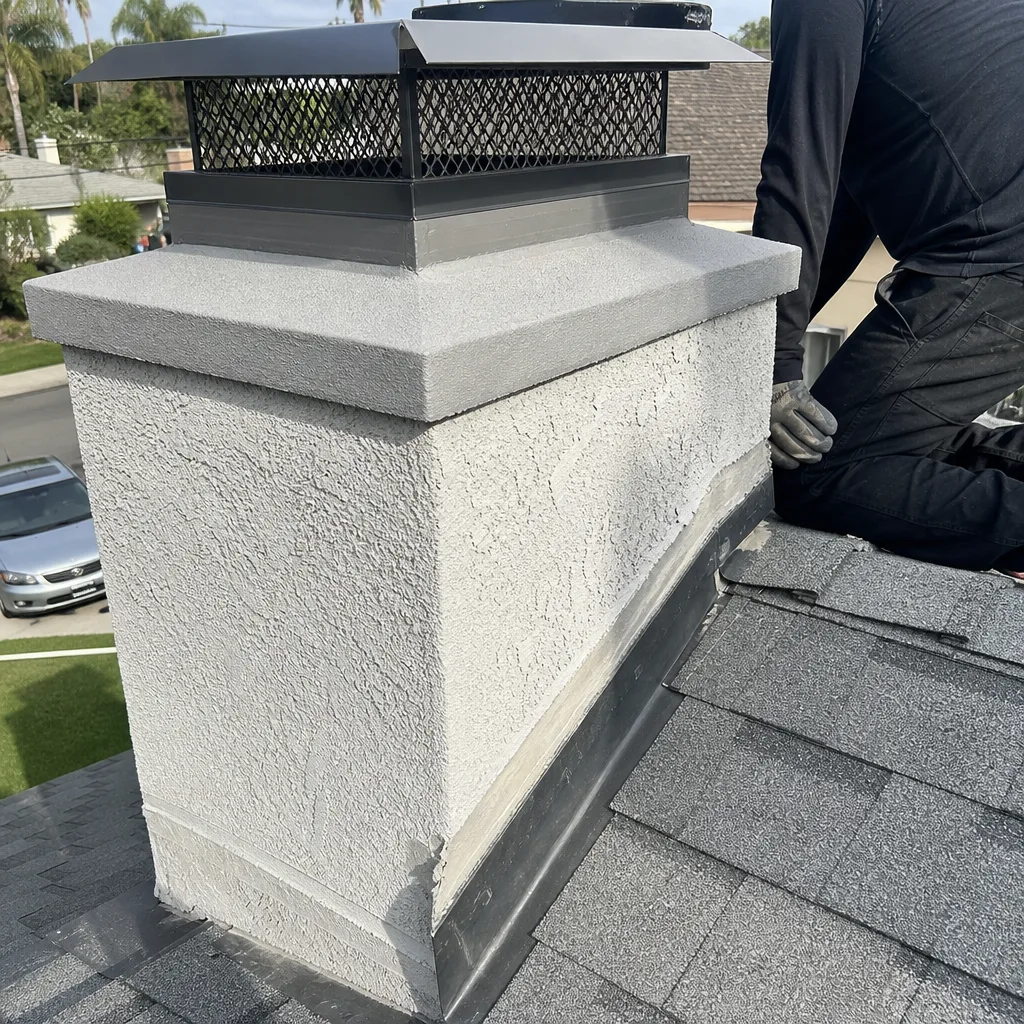
Many Pacific Beach homes built since the 1980s use what’s called a chase construction. Instead of a traditional brick or block chimney, the flue runs through a framed enclosure that’s wrapped in stucco to match the house exterior. At the top of the chase sits a metal chase cover, usually galvanized steel or aluminum, that’s supposed to keep water out of the chase interior. It often doesn’t.
The problem with stucco-wrapped chases in Pacific Beach is that the chase cover rusts faster in salt air than it does inland. Once the chase cover develops pinholes or rust-through, rain and fog intrusion starts. Water runs down the inside of the chase, saturates the insulation and framing, and eventually reaches the flue liner. If the liner is clay tile, which most PB chases from the 1980s and 1990s use, water intrusion causes the tile to crack when the fireplace heats up. A cracked clay tile liner leaks heat and gases into the chase interior, which is a fire hazard.
Here’s the part a visual-only check misses. The chase cover might look fine from the ground. The stucco exterior might show no cracks. But inside the chase, the liner could be cracked in three places and the framing could be water-damaged. You can’t see any of that without removing the chase cover or running a camera down the flue. A proper sweep in Pacific Beach should include a chase cover inspection every visit and a camera scan any time the chase cover shows rust, corrosion, or standing water marks.
If your PB home has a stucco chase, add these items to your annual maintenance list. Check the chase cover for rust or gaps every fall. Check the stucco for hairline cracks that let water in. Check the interior of your firebox for water stains or efflorescence, which is the white powdery deposit that indicates moisture migration. And if your chase is more than 20 years old and the cover has never been replaced, assume it needs to be and have a professional look at it before the next rainy season.
What a Professional Cleaning Log Looks Like vs. a Basic Receipt
Most chimney sweeps hand you a receipt that says something like “Chimney cleaned – $249.” That’s not documentation. That’s a proof of payment. If you ever need to file a homeowner’s insurance claim in San Diego County related to a chimney fire or water damage, your insurance adjuster will ask for records showing the chimney was properly maintained. A basic receipt won’t help you. A professional cleaning log will.
A proper cleaning log includes the date of service, the technician’s name and certification level, the type of inspection performed, the type and stage of creosote found, the cleaning method used, the tools used, the condition of the liner and firebox, any repairs recommended, any repairs completed, and photos or video from any camera scan performed. It should also note the condition of the chimney cap, crown, flashing, and chase cover if applicable. This is the documentation that proves to an insurance company that you maintained the system to industry standards.
We provide a written report with every sweep that includes all of these items. If we run a camera, you get the footage. If we find Stage 2 creosote, the report says so and notes the method we used to remove it. If we see a crack in the crown, the report documents it with a photo and a repair recommendation. This is the difference between a company that treats chimney sweeping as a maintenance trade and one that treats it as a side gig. For Pacific Beach homeowners in particular, documentation matters because coastal moisture damage is often the trigger for insurance claims, and the adjuster will look for evidence the homeowner was proactive about maintenance.
Keep your cleaning logs in a file. Digital copies are fine. If you sell your home, the buyer’s inspector will ask for them. If you make an insurance claim, the adjuster will ask for them. If you ever need to prove the condition of your chimney at a specific point in time, the log is your evidence. A basic receipt proves you paid someone. A cleaning log proves you maintained the system. The two are not the same thing.
The Dryer Vent Connection: A Fire Risk Most Chimney Companies Ignore
Most chimney companies don’t clean dryer vents. We do, because the fire risk is directly comparable. The U.S. Fire Administration reports that dryer fires cause an estimated 2,900 residential fires annually, and the leading cause is failure to clean the vent. Lint accumulates in the duct behind the dryer, restricts airflow, and eventually ignites when the dryer’s heating element reaches high enough temperatures. The fire spreads through the duct into the wall cavity, and from there into the house.
Pacific Beach homes face a specific dryer vent problem. Many PB homes built during the mid-century construction boom have short dryer vent runs, which sounds good but often means the vent terminates through the roof rather than a side wall. Roof terminations trap moisture, and moisture makes lint stick to the duct walls instead of blowing through. A duct that would stay clean for years in an inland home with a side-wall termination can clog in under two years in Pacific Beach with a roof termination. Salt air corrodes the metal duct joints too, creating gaps where lint escapes into the wall cavity.
The practical advice is this. If your Pacific Beach dryer vent hasn’t been cleaned in three years, it needs cleaning now. If you don’t know when it was last cleaned, it needs cleaning now. If your dryer takes longer than one cycle to dry a full load, that’s a warning sign of restricted airflow. If the dryer feels hotter than normal on the exterior, that’s a warning sign. If you smell any burning odor during a cycle, stop the dryer, unplug it, and call for service immediately.
We handle dryer vent cleaning with the same documentation standard as chimney sweeps. You get a before and after photo, a report on the condition of the duct and termination, and a recommendation for the next cleaning interval. It’s a service most chimney companies don’t offer at all, which means most Pacific Beach homeowners have never had their dryer vent professionally cleaned. Check the age of your dryer. Check the last time anyone inspected the duct. If both are unknown, that’s your answer. Call us and we’ll handle it along with your chimney sweep in Pacific Beach.
When a Sweep Isn’t Enough: Liner Repair and Resurfacing Options
A chimney sweep removes creosote and debris from the flue. What a sweep doesn’t do is repair a damaged flue liner. If the liner has cracks, gaps, or missing sections, the chimney is unsafe to use regardless of how clean the flue is. That’s where repair work comes in, and it’s where the difference between a sweep-only operator and a full-service chimney contractor becomes clear.
The two main repair options we offer are HeatShield flue resurfacing and DuraFlex liner installation. HeatShield is a cerfractory material that’s applied to the inside of an existing clay tile liner to seal cracks and restore structural integrity. It’s the right choice when the liner is damaged but not collapsed, and it extends the liner’s life by years without a full replacement. DuraFlex is a flexible stainless steel liner that’s installed inside the existing flue when the original liner is too damaged for resurfacing or when the appliance type changes. Both are trade-grade product lines used by professional chimney contractors nationwide, not hardware-store generics.
Here’s how the decision usually works in Pacific Beach. A camera scan reveals cracks in the clay tile liner. If the cracks are small and the tile structure is intact, HeatShield resurfacing closes them and restores the flue to safe operation. If the tile liner is collapsed or missing sections, a DuraFlex liner replaces the flue interior entirely. The right choice depends on the extent of the damage, and a camera scan is the only way to see it. We don’t recommend liner work without camera evidence that the homeowner can see for themselves.
We also stock and install materials from Gelco, Olympia Chimney, Famco, and Copperfield. Gelco makes chase covers and caps. Olympia makes stainless steel liners and components. Famco makes dampers and caps. Copperfield makes chimney caps and chase covers. These aren’t retail brands. They’re the product lines stocked by chimney trade suppliers, the same ones professional contractors across the country use. We name the materials we use so you know exactly what’s going into your home, and so you can verify the quality independently if you want to.
What a Chimney Sweep Costs in Pacific Beach: A Line-Item Breakdown
Chimney sweep pricing in Pacific Beach runs higher than the national average because coastal inspection standards and moisture-related repairs add time and complexity. Here’s the typical range for the PB market based on current service patterns:
- Standard Level 1 sweep and inspection: $180 to $280. Includes flue brushing, firebox cleaning, smoke chamber cleaning, and visual inspection of accessible components.
- Level 2 inspection with camera scan: $150 to $300. Added to the sweep cost when conditions warrant. Includes full video documentation of the flue interior.
- Rotary cleaning for Stage 2 creosote: $80 to $150 additional. Required when deposits won’t release with standard brushing.
- Chase cover replacement (stucco chase homes): $350 to $700 installed, depending on material and size. More if the chase framing is water-damaged.
- HeatShield flue resurfacing: $1,800 to $3,500 depending on flue length and damage extent. Less than full liner replacement in most cases.
- DuraFlex liner installation: $2,200 to $4,800 depending on flue length, liner diameter, and access. Includes new top plate and cap.
- Dryer vent cleaning: $120 to $220 for standard residential ducts. More for roof terminations or access challenges.
These are starting ranges, not firm quotes. Your exact price depends on your chimney’s height, access, damage extent, and the specific materials needed. What we can tell you is that we provide free estimates in Pacific Beach, and every estimate includes a written report with photos showing exactly what we found and what we recommend. Nothing is recommended without visual evidence. Call (866) 282-7711 and we’ll schedule a visit.
Common Mistakes to Avoid
- Skipping inspections because you rarely burn. Pacific Beach’s marine moisture does more damage to an idle chimney than smoke does to an active one. Inspect annually regardless of usage.
- Assuming a visual check caught everything. Stucco chases hide liner cracks behind walls. If you haven’t had a camera scan, you haven’t actually inspected the flue interior.
- Ignoring the chase cover. A rusted chase cover lets water into the chase, and by the time you see interior water damage, the repair scope has already grown. Replace chase covers before they fail.
- Not asking for documentation. A receipt proves payment. A cleaning log proves maintenance. Insurance claims in San Diego County depend on the second one.
- Treating dryer vents as optional. Lint is a fire risk comparable to creosote. If your vent hasn’t been cleaned in three years, you’re overdue.
- Delaying liner repair. A cracked liner doesn’t heal. It spreads. The repair you put off this year becomes the replacement you can’t avoid next year.
- Hiring a sweep-only operator for a repair-job chimney. Not every company that sweeps can repair. Ask whether they stock HeatShield or DuraFlex before you assume they can handle what the camera finds.
See the difference
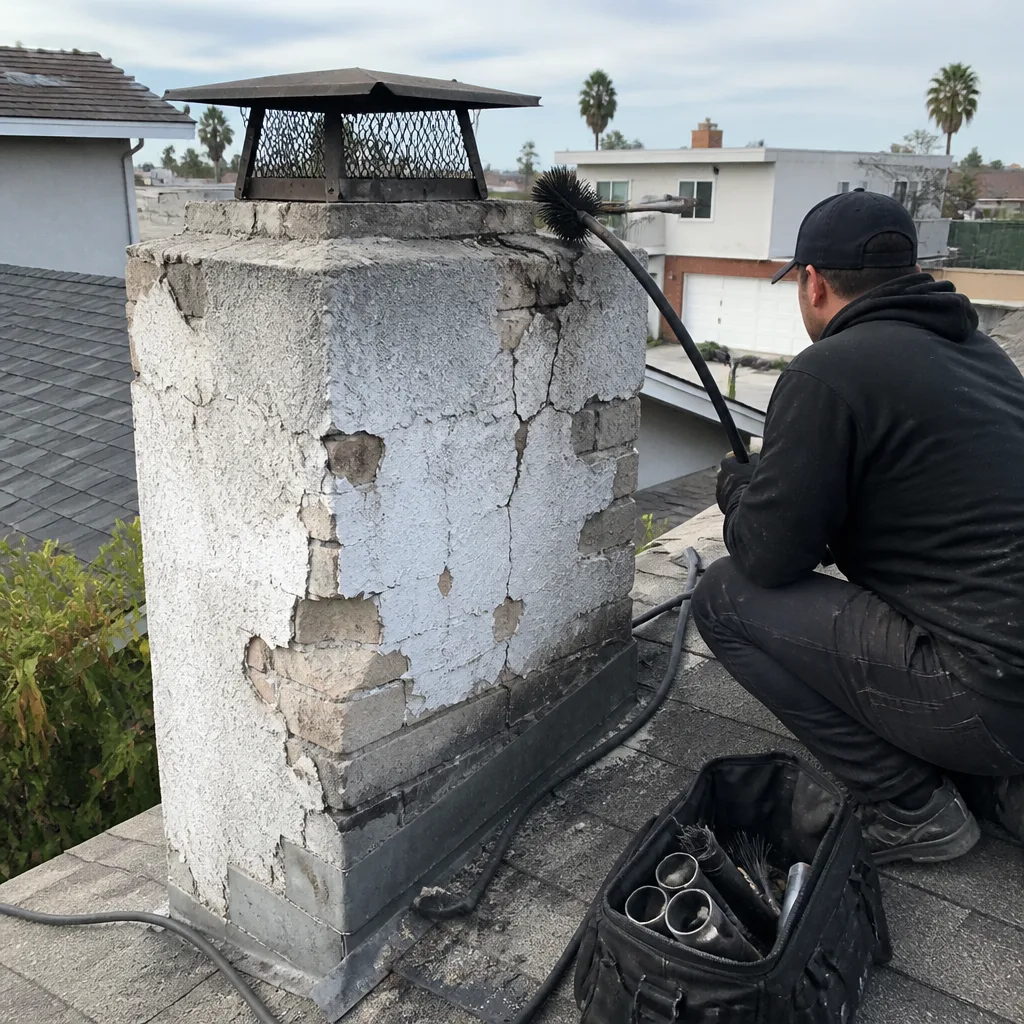 Before
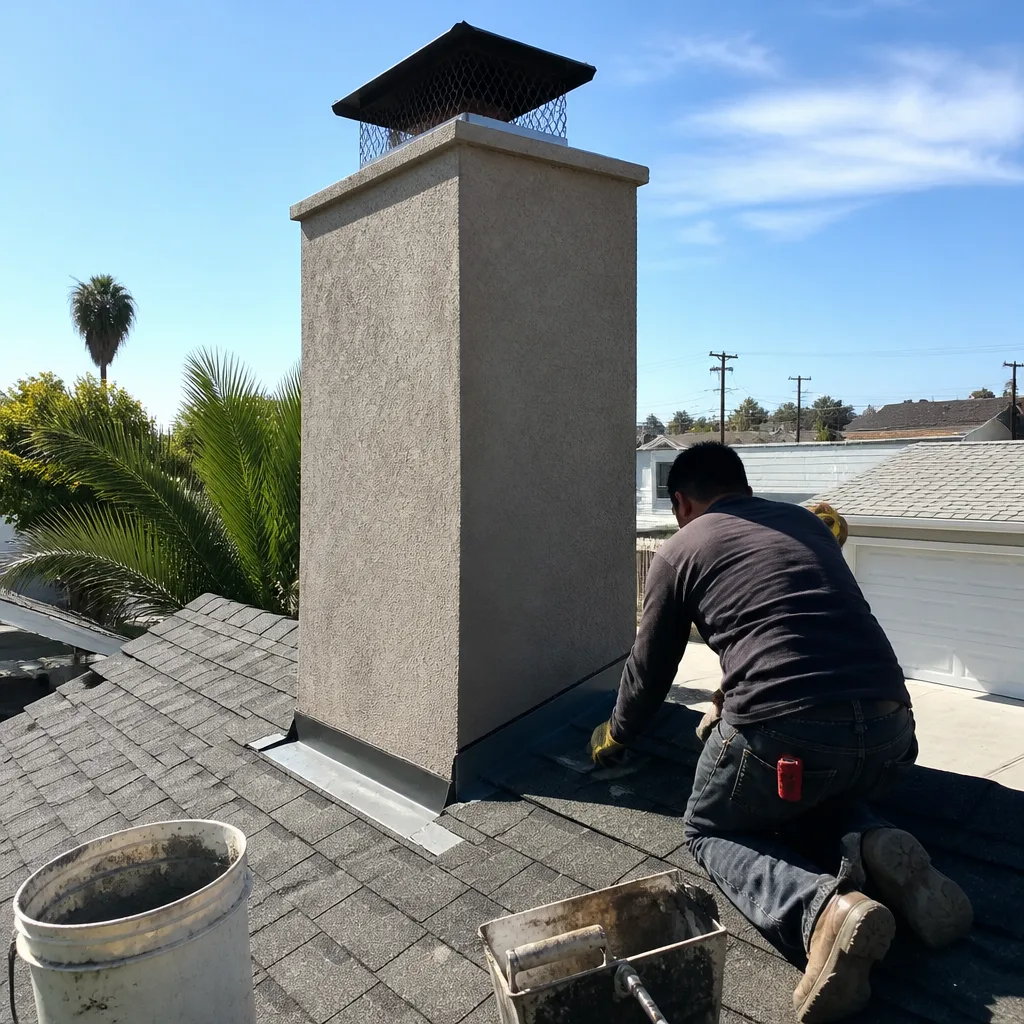 After
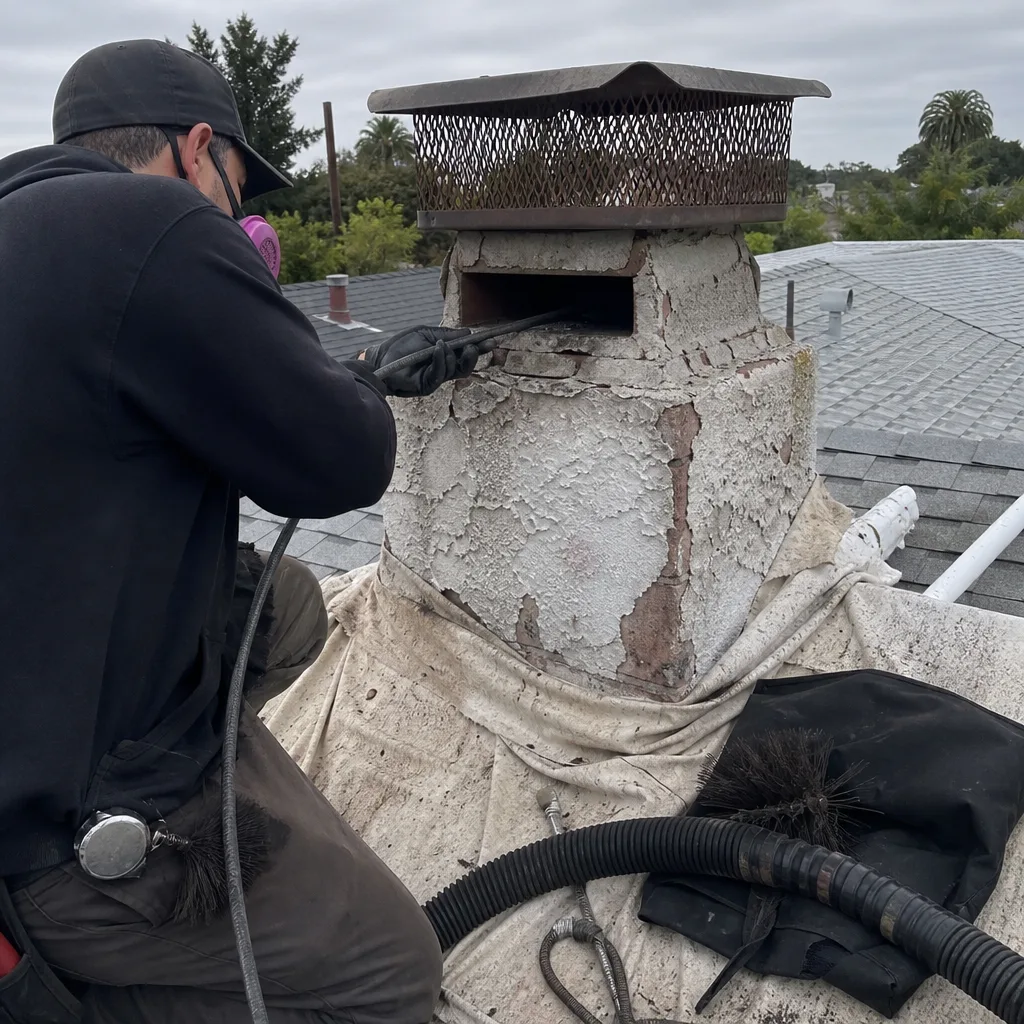 Before
 After
 Before
 After
When to Call a Professional
Call a professional when your chimney hasn’t been inspected in 12 months or more, when you see water stains in the firebox, when you smell a campfire odor inside the house between burns, when your dryer takes longer than one cycle to dry a load, when you’re buying a Pacific Beach home and the seller hasn’t provided a Level 2 inspection, or when any earthquake or chimney fire has occurred since the last cleaning. These are the scenarios where waiting doesn’t make the problem smaller. It makes it more expensive. Chimney Sweep Pacific Beach offers free estimates in Pacific Beach, and we handle chimney repair in Pacific Beach, dryer vent cleaning in Pacific Beach, and complete chimney sweeping in a single visit. Call (866) 282-7711 and we’ll send someone out.
Frequently Asked Questions
A standard Level 1 chimney sweep in Pacific Beach costs between $180 and $280, with Level 2 camera inspections adding $150 to $300. Coastal moisture conditions often require rotary cleaning for Stage 2 creosote, which adds $80 to $150. Call (866) 282-7711 for a free estimate with a written report and photos.
You need a liner repair when a camera scan shows cracks, gaps, or collapsed sections in the existing liner. A reputable company shows you the footage and lets you see the damage for yourself. If a company recommends liner work without camera evidence, get a second opinion. If they show you the cracks on video, the recommendation is verifiable.
Every 12 to 18 months, regardless of how many fires you light. Infrequent burning in marine air produces Stage 2 creosote that’s harder to remove than the Stage 1 deposits high-use chimneys produce, as explained in DIY vs Professional Chimney Cleaning: The Pacific Beach Homeowner’s Decision Guide. Coastal moisture accelerates the cure-rate problem, so don’t use burning frequency as your guide.
Step one: creosote accumulates and hardens into a glaze. Step two: moisture from marine air seeps into cracks and widens them. Step three: if the liner cracks, heat and gases escape into the chimney chase or wall cavity. Step four: a chimney fire starts, or carbon monoxide enters the house. Each step is progressively more expensive to fix, and the last two are genuinely dangerous.
We can, and most chimney companies can’t. We offer dryer vent cleaning as a standalone or add-on service, handled by our own technicians. If you’re already scheduling a chimney sweep, adding the dryer vent costs less than a separate visit and addresses the second-biggest ventilation fire risk in your home. See more guides & resources for maintenance tips.
A complete sweep includes flue brushing, firebox cleaning, smoke chamber cleaning, damper inspection, crown and cap inspection, and a written report documenting creosote type, liner condition, and any recommendations. If the technician doesn’t provide a written report, you haven’t received a professional cleaning. For details, read The Complete Guide to Chimney Cleaning in Pacific Beach. Call (866) 282-7711 and ask what’s included before you book.
The Bottom Line
Pacific Beach chimneys live in an environment most chimney advice ignores. Salt air erodes mortar. Marine moisture prevents creosote from curing. Stucco chases hide structural damage. Infrequent burning doesn’t protect your chimney, it creates a different set of problems that require different cleaning methods and more frequent inspections. The right approach is an annual Level 1 inspection with a camera scan whenever conditions change, immediate repair of any liner or mortar damage found, and documentation that holds up if you ever need to file an insurance claim. A sweep-only company can’t do all of that. We can, and we’re local to Pacific Beach. Call (866) 282-7711 for a free estimate, and we’ll show you exactly what’s going into your chimney and what needs to happen next.
Written by the team at Chimney Sweep Pacific Beach, serving Pacific Beach since 2012.