
Last updated November 2, 2026
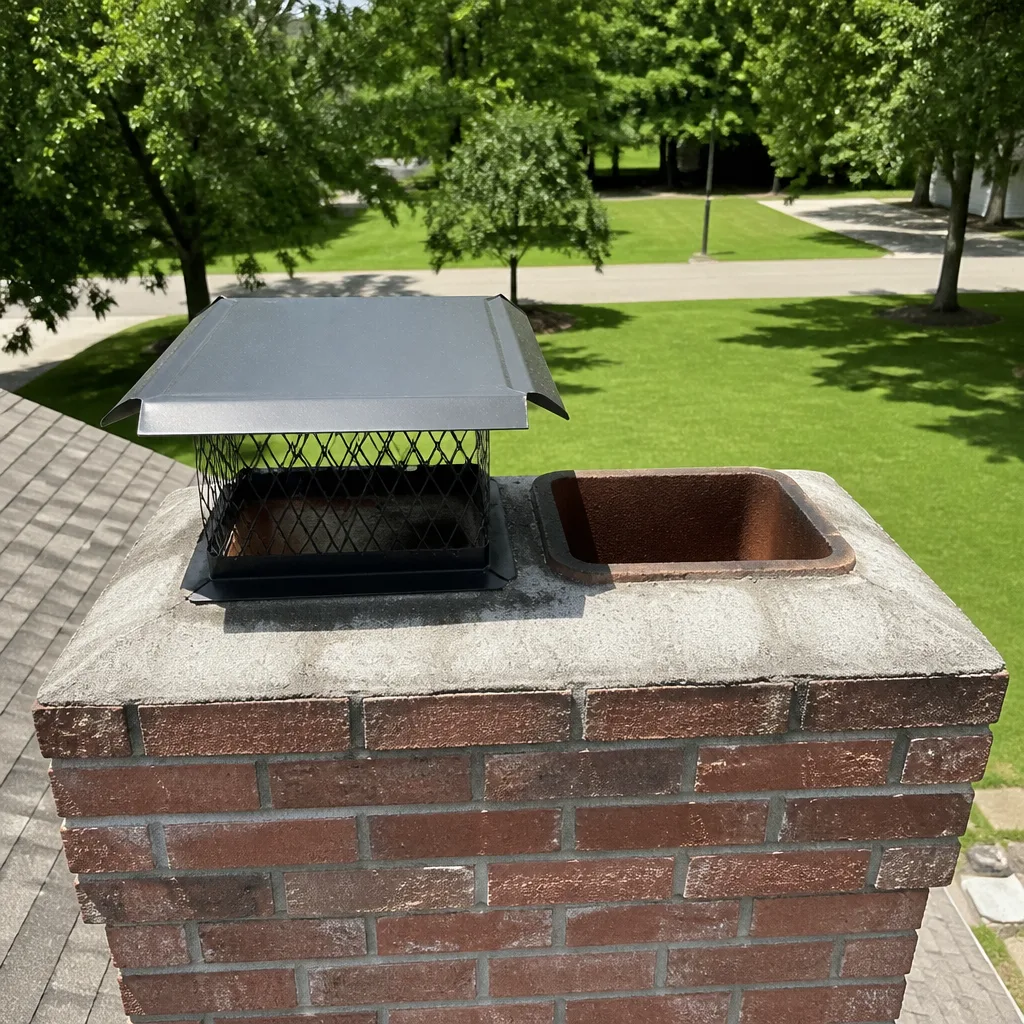 Sweep & inspection
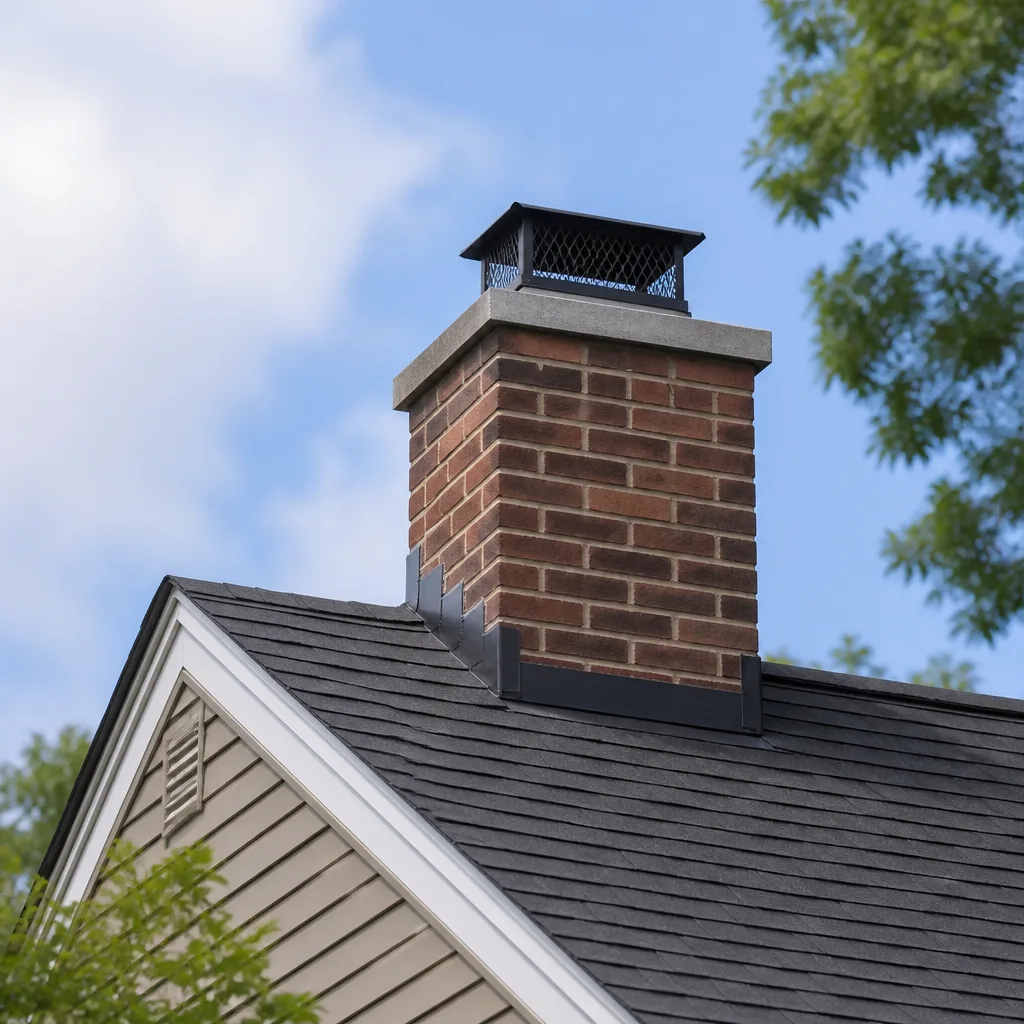 Caps & crowns
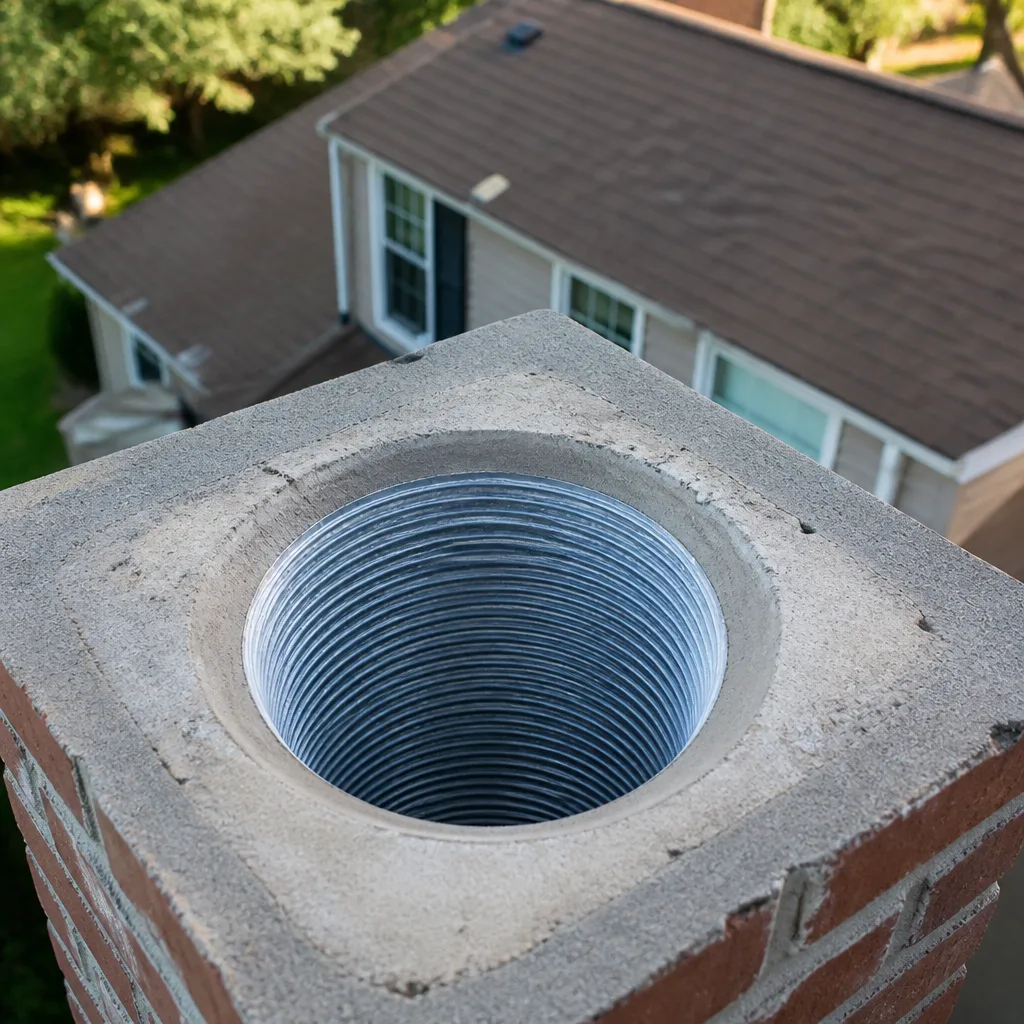 Flue relining
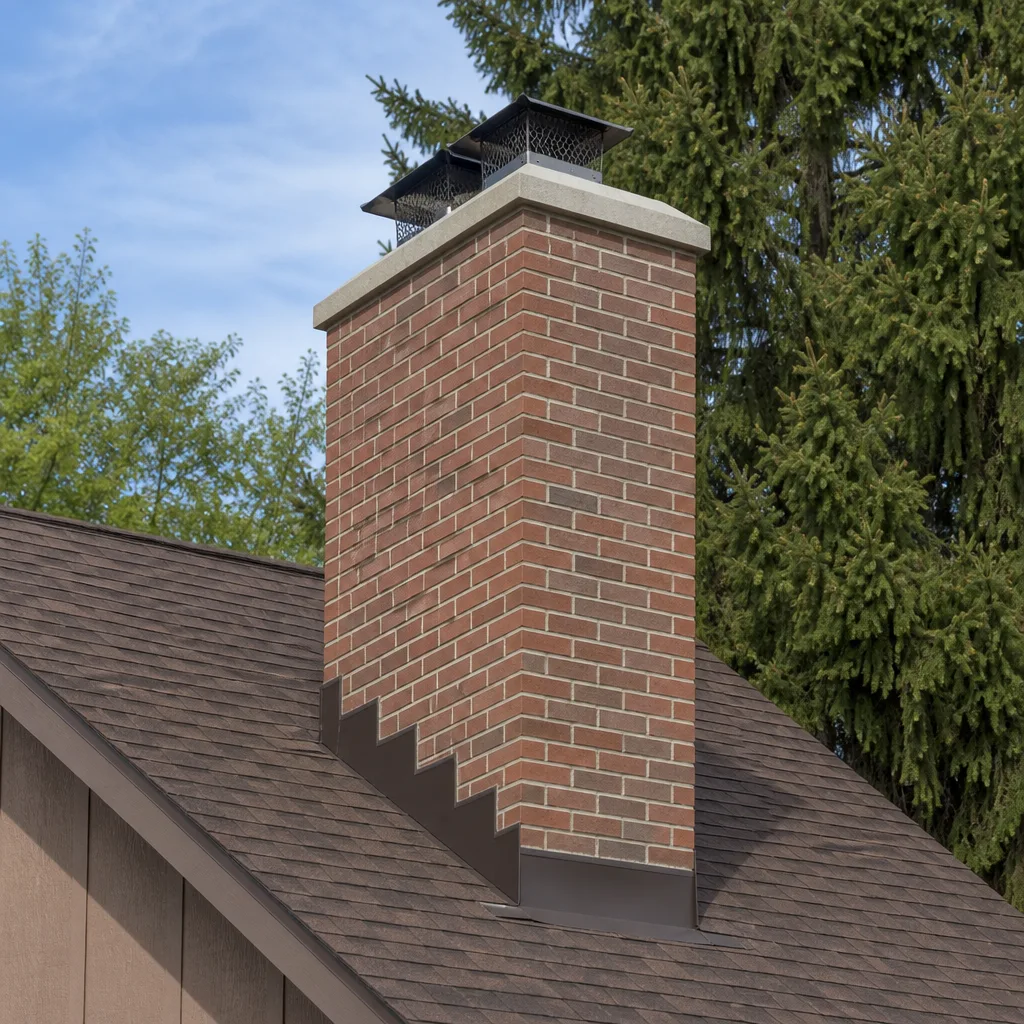 Masonry repair
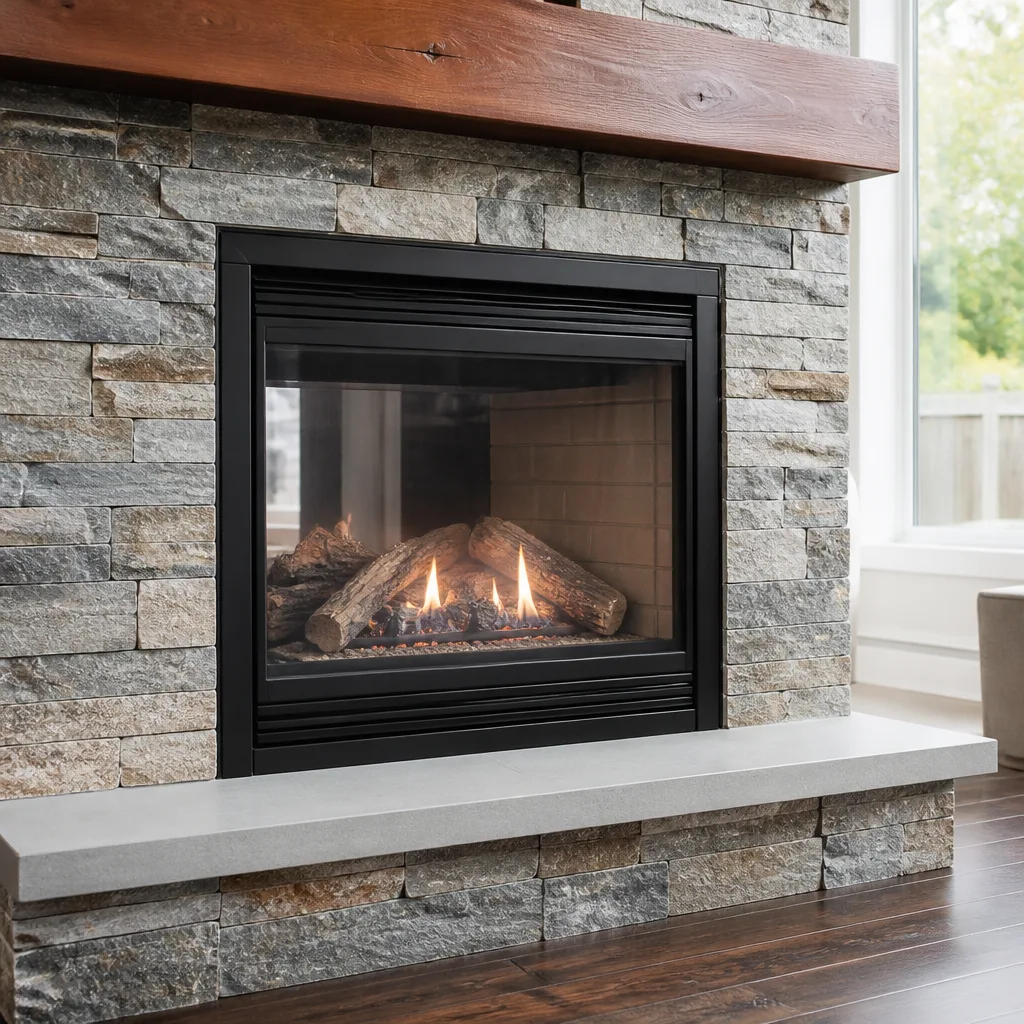 Gas fireplace service
Level 1 sweep and inspection to the NFPA 211 annual standard - flue, crown, cap, and flashing checked and photographed
Chimney sweep logs do not sweep chimneys. They loosen some creosote - which then falls where a brush and vacuum still have to collect it.
DIY vs Professional Chimney Cleaning: The Pacific Beach Homeowner’s Decision Guide
Every fall, hardware stores in Pacific Beach stock brush-and-rod chimney cleaning kits for about forty dollars, and every fall, a certain number of homeowners buy one, climb onto a roof near the coast, and start scrubbing. Here’s the part most don’t realize: loose soot is the least of what’s happening inside a chimney that’s been breathing salt air all year. This guide draws a precise line between what a homeowner can safely do between professional visits and what actually requires trained eyes, professional equipment, and a documented service record. By the end, you’ll know exactly where that line sits for your house.
Styles & brands we work with
- Sweep & inspection
- Caps & crowns
- Flue relining
- Masonry repair
- Gas fireplace service
Quick Answer
DIY chimney brushing removes loose soot from the flue’s surface, but it cannot remove Stage 2 or Stage 3 creosote glaze, assess liner cracks, evaluate damper hardware damaged by Pacific Beach salt air, or produce the documented inspection report an insurance company may require after a fire claim. For a chimney that gets regular use, a professional sweep every one to two years combined with simple homeowner maintenance between visits is the practical, defensible approach.
Table of Contents
- What DIY Chimney Brushing Actually Accomplishes
- The Equipment Gap: HEPA Filtration vs. Plastic Sheeting
- What Pacific Beach Salt Air Does to Chimney Systems
- Maintenance You Can Safely Do Between Professional Visits
- Understanding Creosote: The Three Stages and Why They Matter
- Insurance, Liability, and the Paper Trail
- When DIY Makes Sense and When It Doesn’t
- Common Mistakes to Avoid
- When to Call a Professional
- Frequently Asked Questions
- The Bottom Line
What DIY Chimney Brushing Actually Accomplishes
A brush-and-rod kit does what it sounds like: a stiff-bristle brush connected to flexible rods scrapes the inner walls of the flue as you push and pull from either the rooftop or the firebox below. Mechanically speaking, it dislodges loose, powdery soot… Stage 1 creosote… and some light flaky deposits. That’s a real thing. Soot removed is fuel removed, and for a chimney that sees occasional fires with properly seasoned wood, a homeowner armed with a brush can reduce the combustible material in the flue.
But here’s what the brush cannot do. It cannot remove Stage 2 creosote, which bakes into hard, shiny flakes that adhere to the flue wall like enamel. It cannot touch Stage 3 glazing, which is a dense, tar-like layer that forms when creosote deposits are repeatedly heated and cooled, concentrating into a solidified coating that resists manual brushing entirely. Removing glazed creosote requires rotary cleaning equipment… a professional whip system with hardened chains or high-torque heads that spins at speed inside the flue… or, in severe cases, chemical treatments followed by mechanical removal.
In our experience with chimneys across Chimney Sweep in Pacific Beach service calls, a homeowner who pulls out a wire brush after three seasons of weekly fires will often see some black dust come loose and assume the job is done. The glazed layer underneath stays put, which means the fire hazard they were trying to eliminate is still there, just smoother and shinier.
DIY brushing also fails at inspection. Cleaning without assessment is the chimney-safety equivalent of wiping down a car without ever checking the brakes. A professional sweep inspects for liner cracks, mortar joint deterioration, damper warp, crown damage, and wildlife intrusion… all things no brush on a rod will ever reveal.
The Equipment Gap: HEPA Filtration vs. Plastic Sheeting
The dust question is where the DIY-versus-professional divide gets concrete, and it matters more in Pacific Beach than in drier inland neighborhoods because our homes stay buttoned up against coastal moisture for a good part of the year. Tighter houses mean less natural air exchange, which means whatever goes airborne during a chimney cleaning stays airborne longer.
A homeowner cleaning from the bottom up typically drapes plastic sheeting over the fireplace opening with a slit for the rod, hoping to contain what falls. Some dust does get contained. A lot of it doesn’t. Soot is composed of particles fine enough to remain suspended for hours, and creosote particles are sticky as well as fine, which means they cling to painted walls, fabric, and HVAC filters. The dust that escapes plastic sheeting is not just a cleanup problem; it’s an indoor air quality problem, and for a household with asthma, allergies, or young children, it’s a meaningful one.
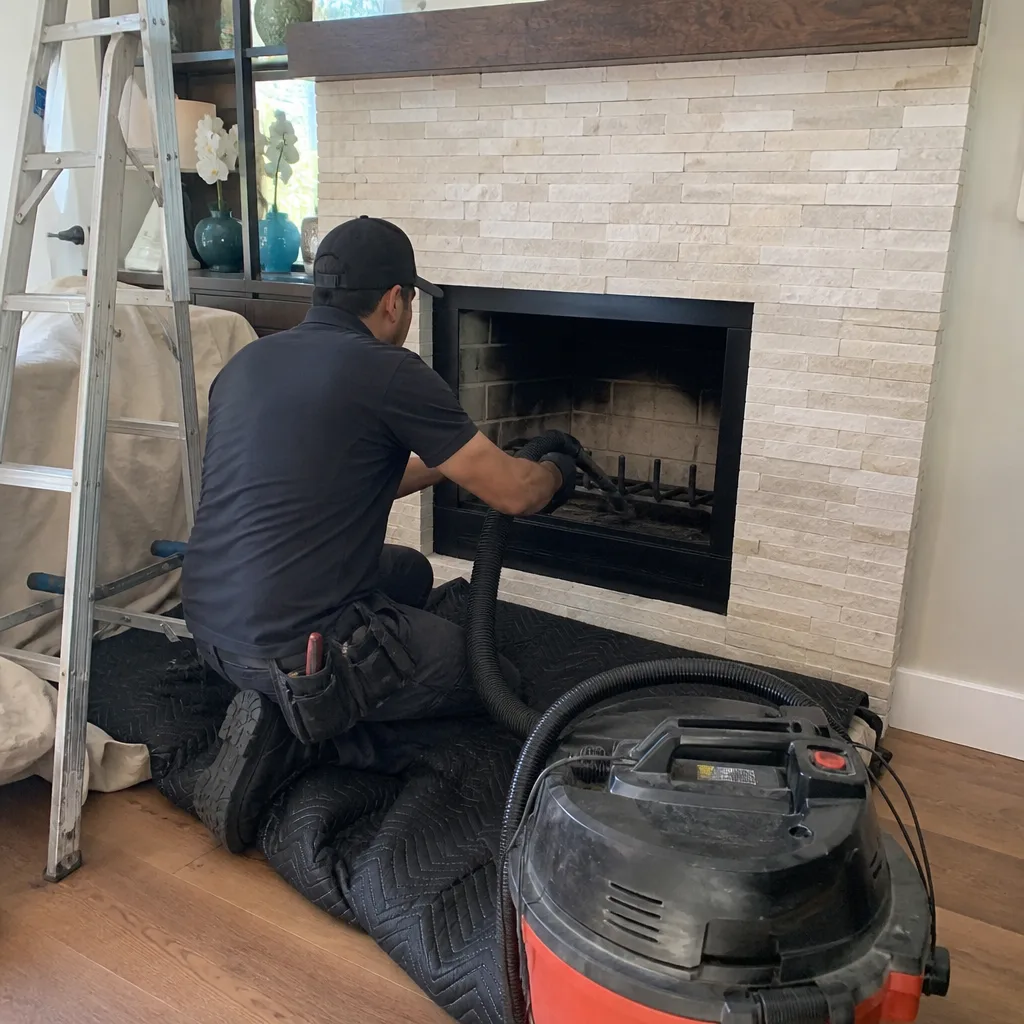
Professional chimney cleaning in Pacific Beach uses HEPA-rated negative-pressure vacuums. The system pulls air continuously out of the firebox and through a high-efficiency filter before it’s returned to the room or vented outside. This creates a vacuum effect inside the chimney that captures soot at the point of disturbance rather than chasing it after it escapes. The difference isn’t marginal. In real-world sweeps, a properly running HEPA setup can capture upwards of 99% of the airborne particulate that a plastic-sheet approach releases into the living space.
This equipment gap extends to what happens before the cleaning begins. A professional crew seals the firebox, lays down drop cloths, runs the vacuum, and only then starts working. The plastic-sheet method puts the homeowner’s vacuum cleaner and mop in charge of what remains. If the question is “can you clean a chimney without this equipment,” the answer is yes, but the cost is measured in hours of cleanup and a house that smells like old soot for days. That’s the hidden price of the forty-dollar kit.
What Pacific Beach Salt Air Does to Chimney Systems
Pacific Beach sits close enough to the ocean that the marine layer isn’t just a spring-morning event; it’s a year-round environmental condition. What this does to chimney hardware is measurable. Salt-laden fog works into exterior metal: chimney caps, rain pans, damper handles, and the exposed frame plates of factory-built systems. The corrosion starts as white bloom… easily mistaken for normal aging… and proceeds to pitting, weakening, and eventual failure of components that have to move or seal to function.
A damper that’s been corroded by years of salt air may still sit in its frame and look fine from below. The homeowner doing a visual check sees a metal plate with a handle. The professional doing an assessment sees a damper whose hinge plate has lost metal to rust, whose seal no longer seats fully against the frame, and whose operation is rough because the internal bearing surfaces are corroded. In Pacific Beach specifically, we see more salt-corroded damper hardware than in any inland service area, and it’s the kind of finding that matters because a damper that doesn’t seal leaks conditioned air year-round and fails to control airflow during a fire.
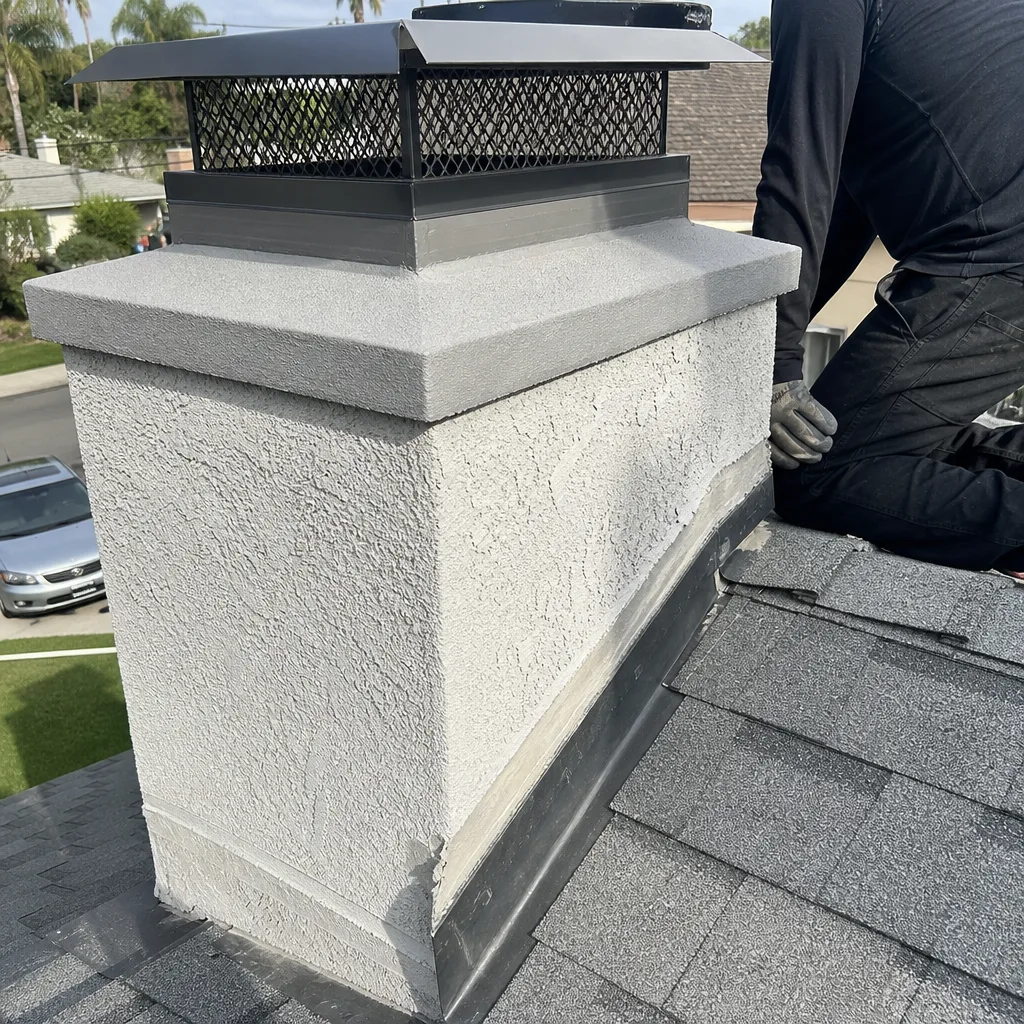
Salt air affects chimney caps the same way. A galvanized cap in a coastal environment may last a decade before rust-through; a stainless cap may last twice that. But when the screen mesh corrodes, it stops doing its job, which is keeping birds out and blocking wind. A homeowner looking at a rusted cap from the ground can see the rust but not the failure. This is where our material choices factor in. We source components from trade brands like Olympia Chimney and Famco, which manufacture caps and terminations in stainless grades built for marine environments. These are the same product lines professional chimney contractors across the country install, and they’re not what’s on the shelf at the big-box store in the beach district.
The combine effect of Pacific Beach’s coastal moisture and a chimney that gets regular use is accelerated deposit formation. Moisture from fog and marine air interacts with creosote deposits, altering how they adhere to flue walls and making them harder to remove manually. What started as a light dusting becomes a crust. Six months of coastal exposure can transform what should be a straightforward brushing into a job that requires professional rotary equipment.
Maintenance You Can Safely Do Between Professional Visits
None of this is to suggest the homeowner should do nothing. There are several maintenance tasks that are genuinely useful, safe for a careful homeowner, and that extend the value of a professional sweep. These are the spaces between visits where homeowner attention actually pays off.
- Exterior visual inspection from the ground. Once a month during burning season, walk around the house and look at the chimney from the ground. You’re checking for rust streaks, missing cap sections, cracked crown mortar, spalling brick, and anything that looks different from last month. A pair of binoculars gets you the kind of view that matters here.
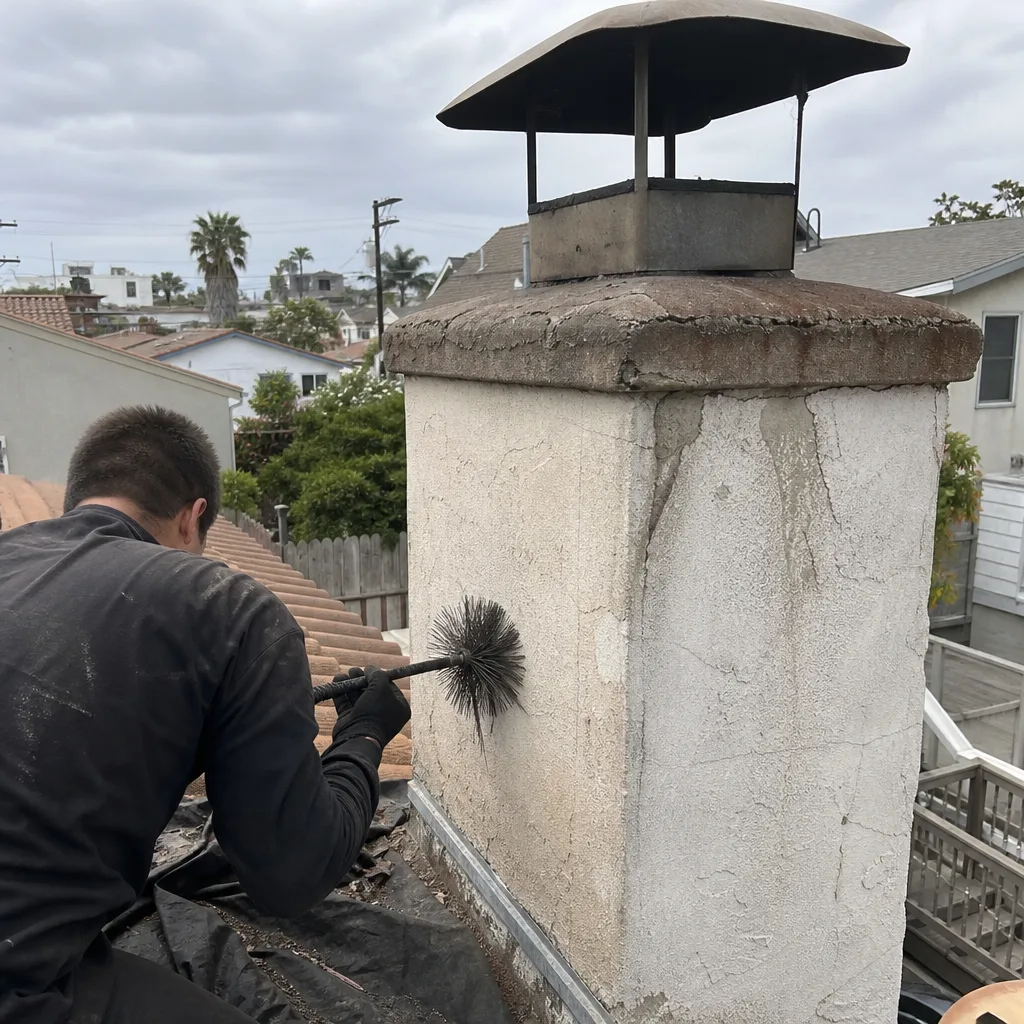
- Cap screen clearing. If you can safely reach the cap from a roof walkway or if you have a single-story roof with a safe pitch, use a stiff brush to clear leaves, twigs, and bird debris from the cap screen. Debris on the cap reduces draft and traps moisture against the metal, accelerating corrosion. If the roof is steep, don’t risk it… this is a job for a professional with proper fall protection.
- Damper operation check. Open and close the damper fully several times at the start of each season. Listen for grinding, feel for roughness, watch whether the plate seats fully. Note any change from last season. A damper that begins binding in Pacific Beach will usually be showing salt corrosion at the hinge.
- Smoke test during the first fire. With a small, hot fire, step outside and watch the chimney. A healthy draft shows a clear, steady stream. Smoke that spills from the chimney cap or lingers in a lazy cloud indicates a draft problem that could be creosote buildup, cap blockage, or a failing damper.
- Wood moisture check. Burn only wood that has been seasoned below 20% moisture content and stored under cover. Wet wood creates the conditions for Stage 2 and 3 creosote formation faster than any other single factor, and in Pacific Beach’s humid climate, wood stored uncovered will pick up moisture from the air even if it arrived dry.
These tasks take minutes per month and give you the kind of baseline familiarity with your chimney that makes real problems obvious when they start. What they don’t replace is the professional-level inspection of what’s happening inside the flue itself, which no amount of exterior observation can reveal.
Understanding Creosote: The Three Stages and Why They Matter
Creosote is not one substance. It forms as a range of deposits depending on flue temperature, wood condition, and the amount of air reaching the fire. Understanding the three recognized stages is the core knowledge that separates a homeowner who can correctly judge their situation from one who’s guessing.
Stage 1 creosote is a fine, dusty, dark-brown to black powder that brushes off easily. It’s the predominant deposit in hot-burning fireplaces with good draft. This is the material a DIY wire brush can effectively remove. If your fires burn hot, your wood is truly dry, and your chimney drafts well, a homeowner cleaning may get the flue reasonably clear of loose material.
Stage 2 creosote is a compacted, crunchy, shiny deposit that comes off in flakes the thickness of cornflakes. It forms when flue temperatures drop below the level that sends all combustion byproducts exiting as vapor. Stage 2 adheres to the flue wall and resists removal by a hand brush typical of DIY kits… the bristles either skip across the surface or break off trying to bite in. Professional rotary brushes with chain or whip heads can typically remove it. A hardware-store brush generally cannot.
Stage 3 creosote is glazed, shiny, tar-like, and hard. It’s the concentrated end stage of deposit formation, and it’s both a significant fire hazard and a barrier to any home-level cleaning attempt. The only practical removal is professional rotary equipment, often combined with chemical treatment or, in cases where structural damage has occurred, the kind of repair work that goes well beyond cleaning. When a flue in Pacific Beach has progressed to Stage 3 glazing, we often find it alongside liner damage from both heat stress and moisture intrusion, which changes the conversation from cleaning to repair, potentially requiring services like HeatShield resurfacing to address the underlying condition.
The stage system explains why the local hardware store sells a product with an expiration date it doesn’t advertise. A brush sized correctly for a Stage 1 chimney can’t do anything useful to a Stage 3 chimney except give the homeowner a false sense of completion. The stage has to be known before the tool is chosen, and determining stage requires visual inspection of the interior… the thing the homeowner can’t see from either end with a flashlight.
Insurance, Liability, and the Paper Trail
Here’s where the DIY conversation gets uncomfortable and where most online guides go vague. If a chimney fire happens, and the insurance claim is filed, the adjuster will ask a predictable set of questions. When was the chimney last cleaned? Who did the work? Can you produce the invoice? Was any repair recommended that went unaddressed?
A professional service record answers those questions with documentation. A chimney sweep in Pacific Beach will provide a written inspection report noting deposit stage, liner condition, damper function, and recommendations, and that report becomes the single most useful document you own if a fire claim ever lands on your desk. It shows the insurer that the maintenance obligation was met by a qualified third party.
A self-performed cleaning produces no such document. The homeowner can say they cleaned the chimney, but there is no third-party record of what was found, what condition the liner was in, or whether the deposits present actually required professional attention. In a claims dispute, “I cleaned it myself” has the evidentiary weight of a phone call you can’t prove. This does not mean homeowner maintenance is worthless… it’s genuinely useful between professional visits… but it cannot serve as the documented maintenance history that insurers and, in a worst case, fire investigators expect to see.
There’s a second documentation layer that homeowners rarely consider: the baseline inspection. When you buy a house in Pacific Beach with an existing chimney, a professional inspection before your first fire establishes a baseline condition. If something fails three years later, that baseline document may be the difference between an insurance-covered event and a denied claim. A chimney that’s never been professionally inspected is a liability waiting for a trigger.
When DIY Makes Sense and When It Doesn’t
The useful way to think about this is not “DIY versus professional” as a binary choice, but a division of labor. Each has a legitimate role.
DIY makes sense for:
- A chimney that burns occasional fires with properly seasoned wood and has been professionally cleaned within the last year, as a light touch-up between scheduled visits
- Monthly exterior visual inspections from the ground, documented by the homeowner with photos and date stamps
- Cap screen clearing when the roof is safely accessible and the work doesn’t require a ladder on a pitch steeper than 4:12
- Damper operation checks and noting any change in function, sound, or seal
- Wood management, including moisture testing, covered storage, and burning only what’s properly seasoned
DIY does not make sense for:
- Any chimney that hasn’t been professionally inspected in more than two years, or ever, as of the date of your current ownership
- Any flue showing visible signs of Stage 2 or Stage 3 creosote, which requires rotary equipment and a trained operator
- A Pacific Beach home within about three miles of the coast where salt corrosion may have affected damper hardware, cap integrity, or metal components
- Any chimney where the homeowner lacks safe roof access, meaning the roof pitch exceeds what the homeowner can comfortably work on with appropriate ladder safety
- A home with a fireplace insert or wood stove where the appliance has a stainless liner that a hardware-store brush could gouge
- Any situation where a home sale, insurance renewal, or fire claim may require a documented professional service record
The common thread is that DIY is a maintenance layer on top of a professionally managed baseline, not a replacement for it. In Pacific Beach, where the coastal environment adds a corrosion factor that inland homeowners don’t face, the maintenance layer is even more important, but so is the professional inspection that catches what salt air is doing to hardware you can’t see from the hearth.
Common Mistakes to Avoid
- Assuming a clean-looking firebox means a clean chimney. The firebox is where you see soot, but the flue is where creosote hides. A brush-down of the firebox area achieves nothing for the chimney above the damper.
- Using the wrong brush size or material. A brush too small for the flue diameter skims the surface without contacting the walls. A metal brush in a stainless liner can scratch and score it. The brush has to match the flue type and size, which requires knowing both.
- Cleaning from the roof without fall protection. Pacific Beach rooftops are often older, with tile or shake sections that get slick with coastal moisture. A fall from even a single-story rooftop changes every calculation about what the DIY cleaning was worth.
- Ignoring the salt-corrosion factor. In Pacific Beach, visible rust on a damper handle or cap is often the early warning of a systemic issue. Treating it as cosmetic and proceeding with a DIY cleaning leaves a functional failure in place.
- Burning construction scraps or treated wood to “test” the chimney after cleaning. Treated lumber and painted wood produce toxic combustion byproducts and accelerate creosote formation. The test fire should use the same seasoned cordwood the chimney will see all season.
- Skipping the professional inspection because the chimney “looks fine.” The interior condition of a chimney cannot be assessed by looking at the exterior. Every chimney that looks fine from the ground has an interior condition that is either fine or not fine, and the only way to know is to look.
- Confusing a visual self-check with a documented service record. For insurance and resale purposes, a homeowner’s observation has no evidentiary value. The paper trail matters, and it only comes from a professional visit.
When to Call a Professional
Pick up the phone when any of these applies: a chimney that hasn’t been professionally inspected in two years or more, a family member reporting odd smells when the fire burns, a damper that’s begun binding or grinding, visible rust on any metal component in Pacific Beach’s coastal environment, smoke entering the room rather than drawing up, or Stage 2 or 3 creosote observed during a flashlight check of the flue from below. Any of these is a condition a wire brush cannot correct, and several of them are conditions that brushing could worsen by dislodging material without providing a path for it to safely exit.
We handle the full chimney system in one visit: sweeping, repair including liner resurfacing with Chimney Repair in Pacific Beach coverage, and dryer vent cleaning, since a clogged dryer vent is statistically a more common fire source than a dirty chimney in many homes. No coordinating separate contractors, no second appointment for the repair that the sweep uncovers. If you’re in Pacific Beach, call (866) 282-7711 for a free estimate, and we’ll tell you honestly whether your chimney needs attention now or can safely wait.
Frequently Asked Questions
A standard chimney sweeping and inspection in Pacific Beach typically runs from $200 to $350 depending on flue type, accessibility, and deposit condition, with service and repair work quoted separately from the cleaning itself. Prices in coastal neighborhoods tend to run slightly higher than inland areas because salt-corrosion inspection and hardware assessment add evaluation time to the standard scope. Call (866) 282-7711 for an exact quote on your chimney; estimates are free and spelled out before any work is booked.
Most regularly used fireplaces in Pacific Beach should be professionally swept and inspected every one to two years, with the shorter interval recommended for homes within three miles of the coast where marine moisture accelerates deposit adhesion and corrodes hardware faster than inland. A chimney that burns only occasional fires may go longer between professional visits, but should still receive a baseline inspection before the first firing of any season. The standard rule is that any visible accumulation beyond a light dusting means cleaning is overdue.
You can remove loose Stage 1 soot from an accessible flue with a correctly sized brush, and that’s real maintenance value, but you cannot remove Stage 2 or 3 creosote, assess liner cracks, evaluate salt-corroded damper hardware, or produce a documented inspection for insurance purposes, and those are the parts of chimney maintenance that actually affect fire safety. The practical approach is homeowner maintenance between professional visits, not instead of them. In our experience, chimneys that only ever see DIY attention are the ones that arrive with the most complex repair needs when a professional finally looks at them.
Creosote accumulates in stages, and the transition from loose dust to hard glaze is a function of fire temperature, wood moisture, and time, with each stage making the next fire hotter at the flue wall than the one before it, until the deposits reach combustion temperature and a chimney fire begins. Even if a chimney fire doesn’t occur, a blocked or heavily coated flue drafts poorly, sends smoke into living spaces, and can allow combustion byproducts including carbon monoxide to back up into the house. The risk isn’t theoretical; it’s a measurable accumulation curve that a professional inspection can stop early for a few hundred dollars instead of the thousands a liner repair or fire restoration costs later.
Sometimes yes, sometimes no, and the correct answer depends on what the camera inspection actually shows, which is why we show homeowners the video and walk through the findings before recommending HeatShield resurfacing or a DuraFlex replacement liner. A liner with surface cracking may be a candidate for resurfacing, which can add years without full replacement, while a liner with separated sections or deep rust-through typically requires replacement, and a homeowner who sees the footage makes an informed call rather than taking anyone’s word. If you’re told you need a liner without a camera inspection, get a second opinion from a contractor who will show you the evidence.
Yes, and it’s the fire risk most Pacific Beach homeowners haven’t thought about, because dryer lint accumulates in the vent run over time and reaches ignition temperature far more easily than most people realize, especially in coastal homes where humid air makes lint clump and stick inside the duct rather than blowing clear. Dryer vent cleaning in Pacific Beach is a standalone service we perform in the same visit as a chimney sweep, addressing a leading cause of residential fires that most chimney companies ignore entirely. A dryer that suddenly takes longer to dry clothes is usually a clogged vent communicating a problem.
The Bottom Line
DIY chimney brushing has a legitimate role in Pacific Beach, but only as a maintenance layer on top of a professionally established and professionally documented baseline. The forty-dollar brush kit removes loose soot; it cannot remove glazed creosote, inspect for liner cracks, evaluate salt-corroded damper hardware, or produce the service record an insurer may want after a fire. The coastal environment here accelerates both deposit formation and metal deterioration, which means the gap between what a homeowner can see and what’s actually happening inside the flue is wider than it is inland. A professional sweep every one to two years, with simple monthly checks in between, is the approach that balances cost, safety, and common sense for how Pacific Beach homes actually live.
Written by the team at Chimney Sweep Pacific Beach, serving Pacific Beach since 2012.
Ready to schedule? Visit our Chimney Sweep Pacific Beach home page to learn more, or call (866) 282-7711 for a free estimate.
See the difference
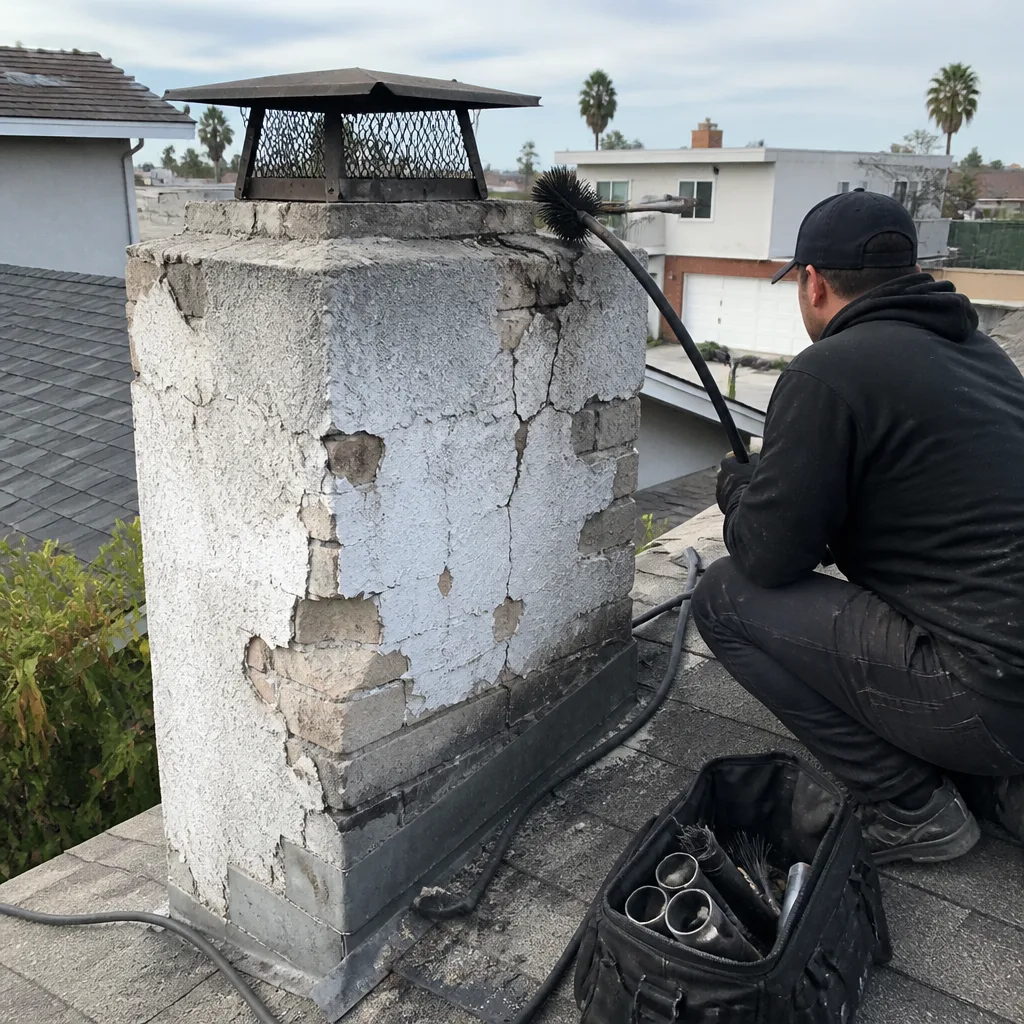 Before
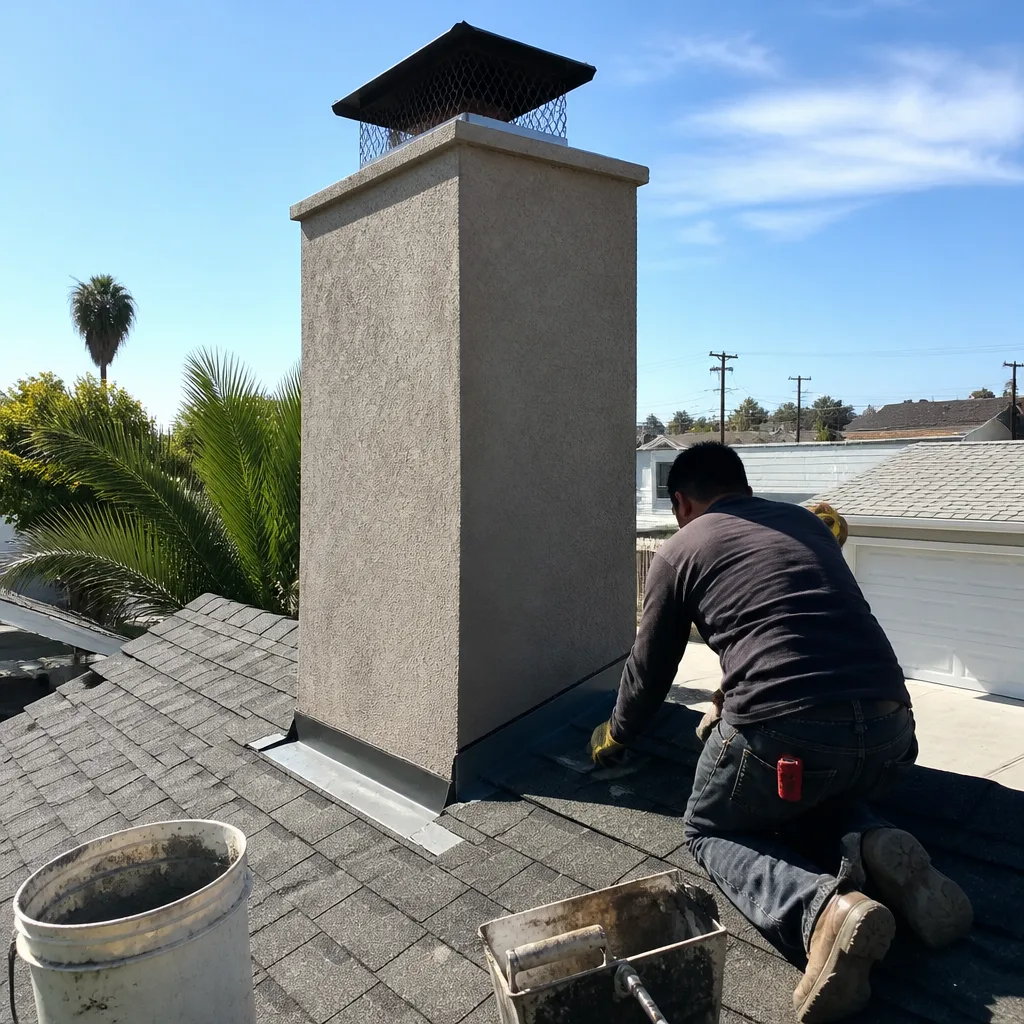 After
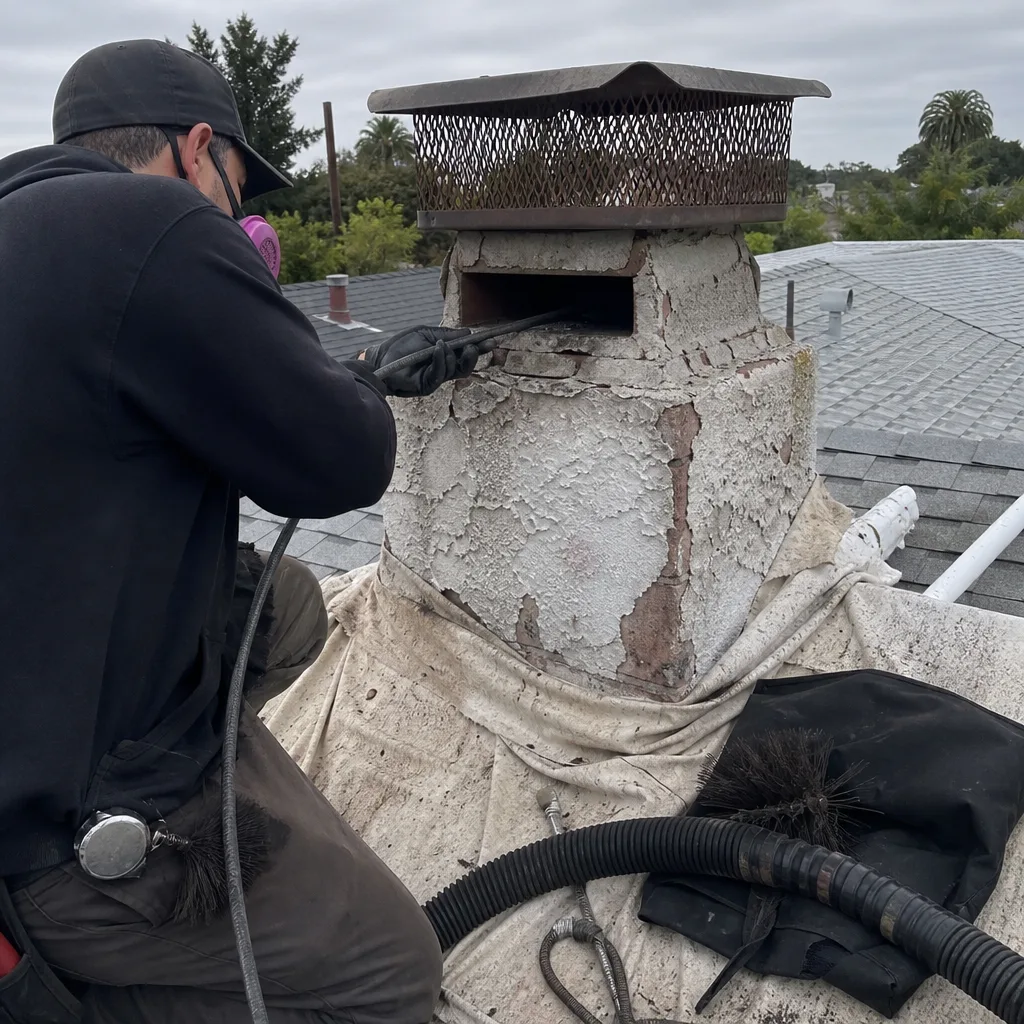 Before
 After
 Before
 After