
Last updated November 2, 2026
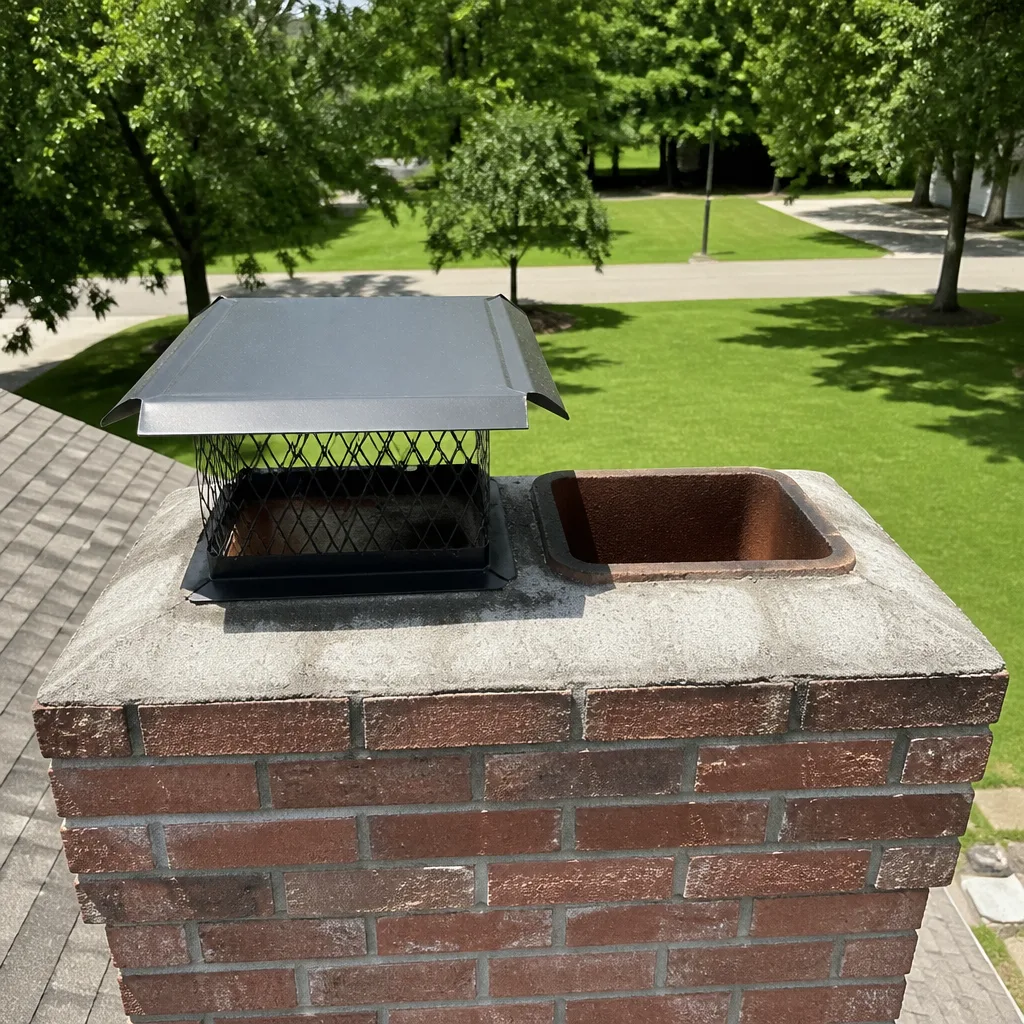 Sweep & inspection
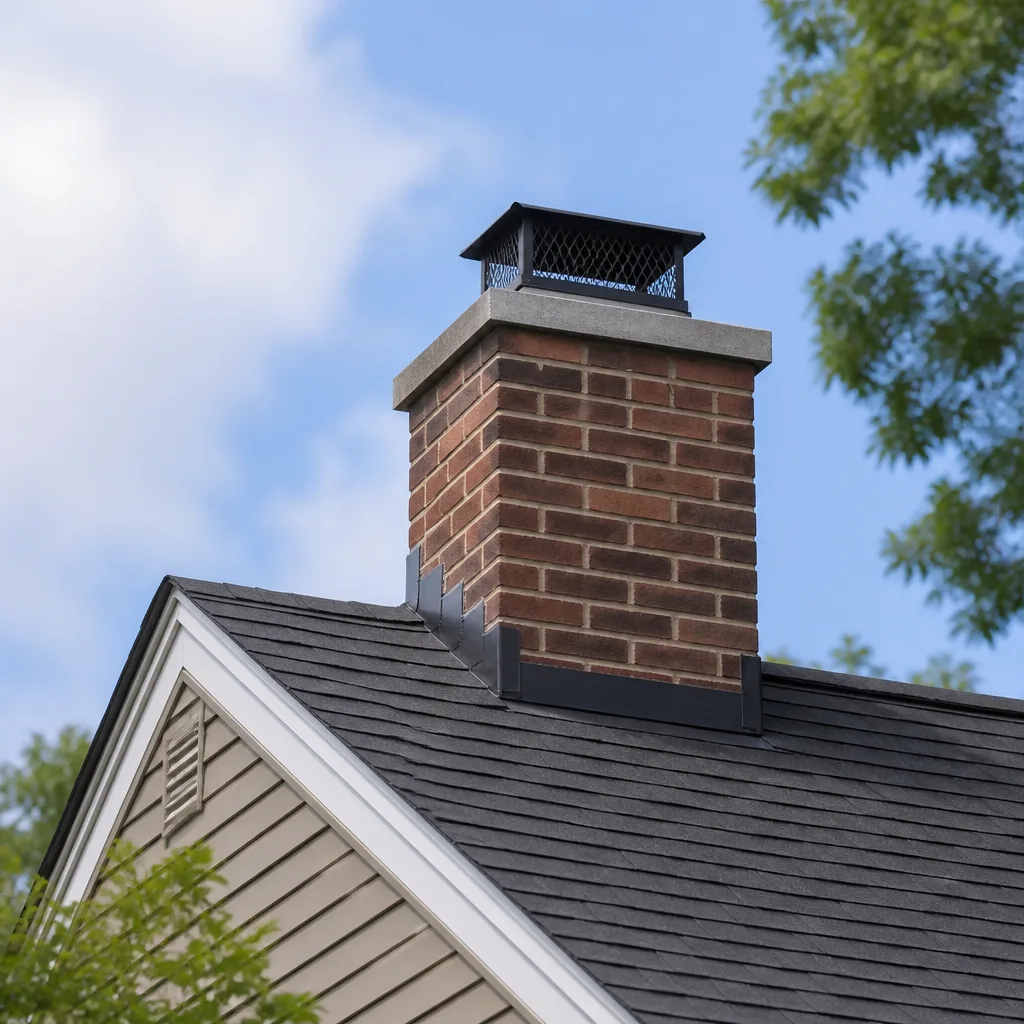 Caps & crowns
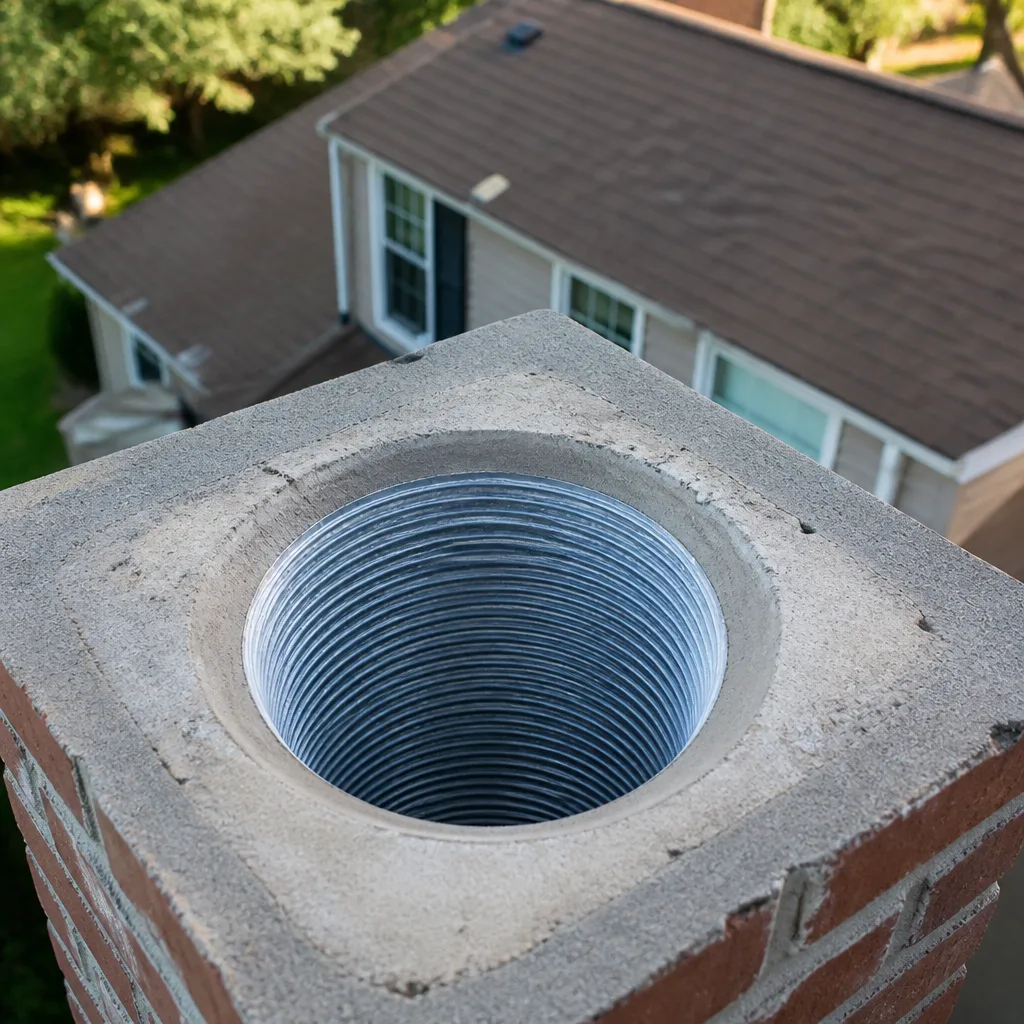 Flue relining
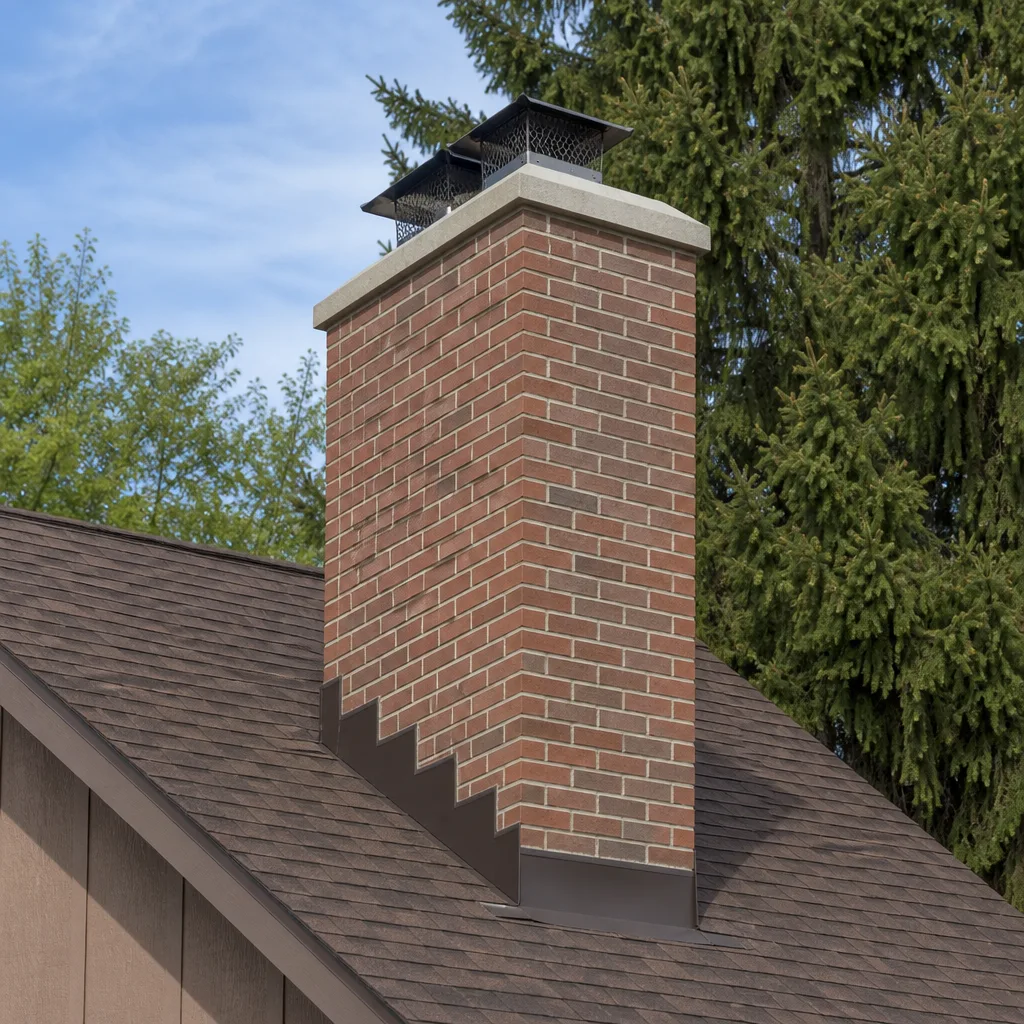 Masonry repair
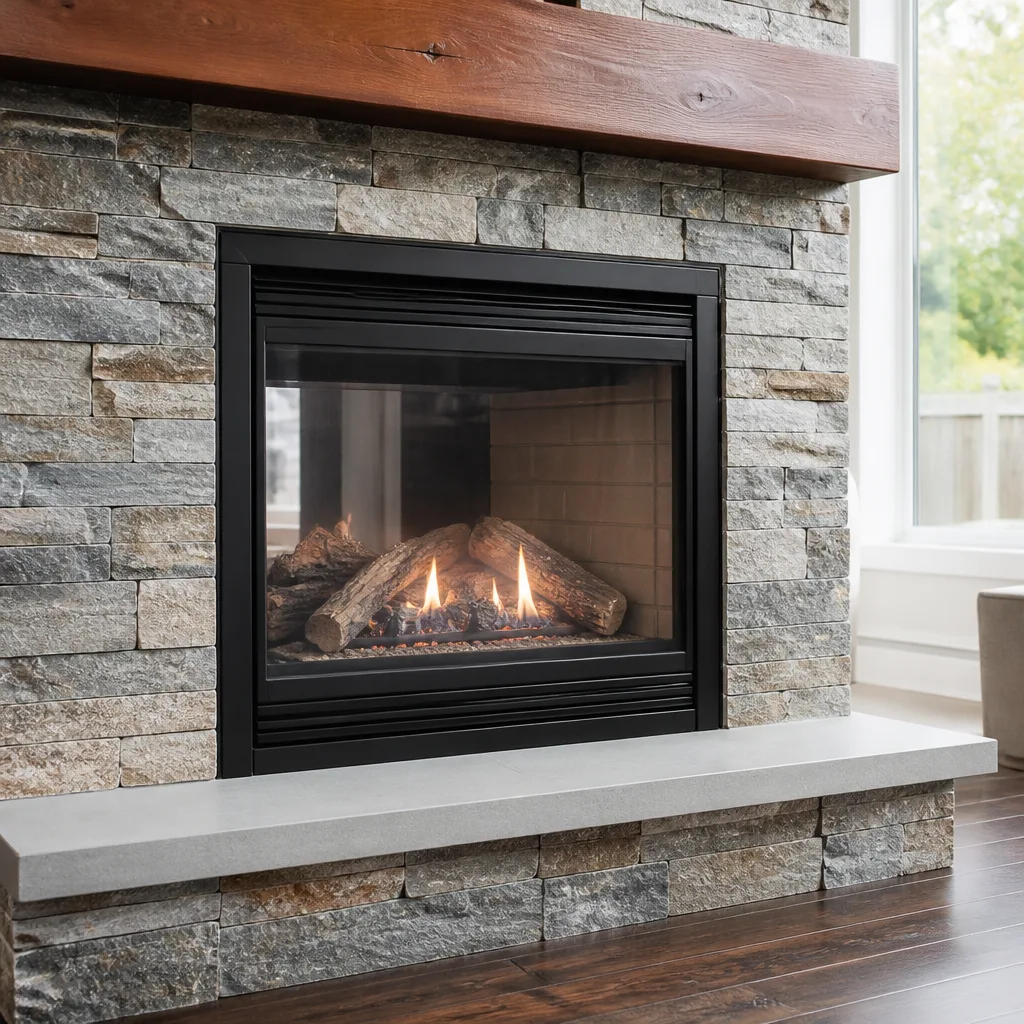 Gas fireplace service
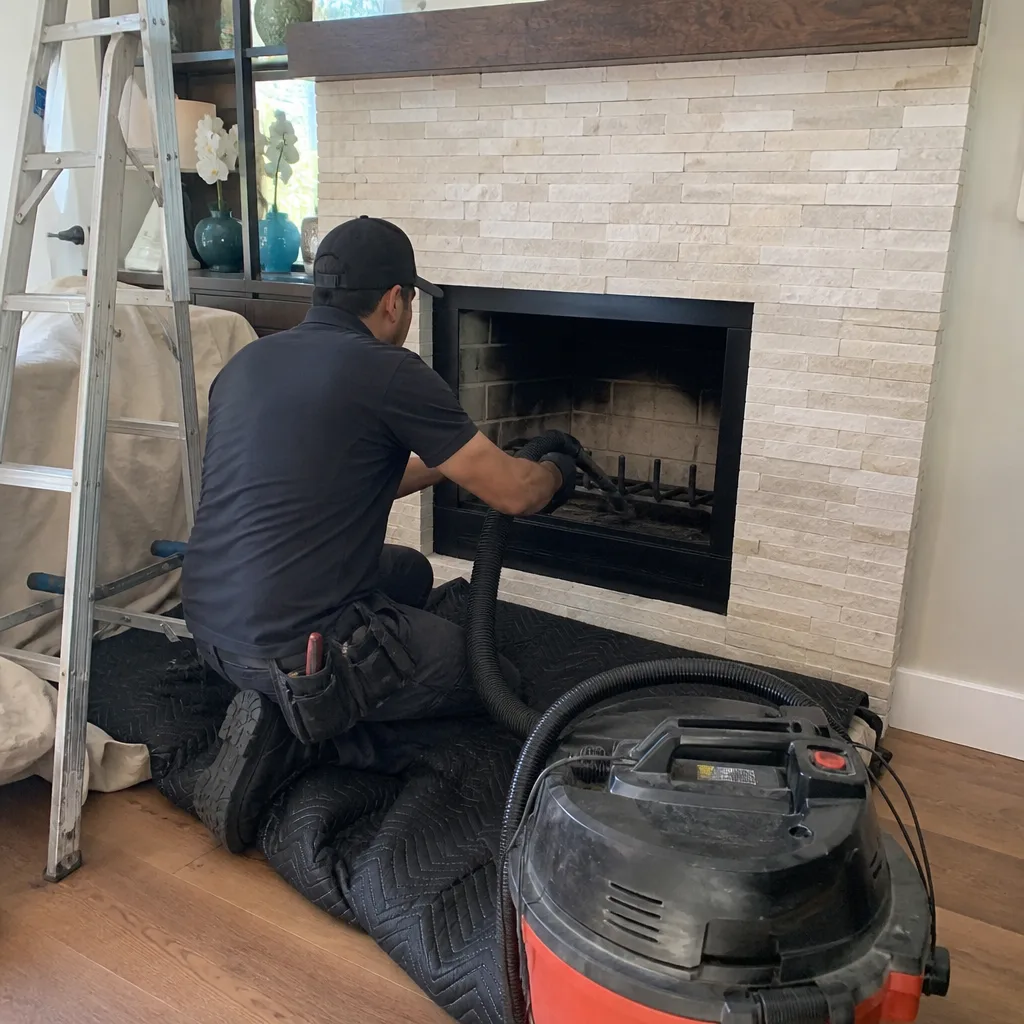
Level 1 sweep and inspection to the NFPA 211 annual standard - flue, crown, cap, and flashing checked and photographed
Chimney sweep logs do not sweep chimneys. They loosen some creosote - which then falls where a brush and vacuum still have to collect it.
Seasonal Chimney Cleaning Care for Pacific Beach: Year-Round Homeowner’s Guide
Here’s a counterintuitive fact about Pacific Beach chimney care: the most dangerous time for your fireplace isn’t a cold winter night. It’s a warm October afternoon when the first Santa Ana winds roll down through the canyons. Those offshore gusts create negative pressure zones around coastal homes, and if your damper seal has degraded over the summer, combustion gases get pulled backward into your living room instead of up the flue. This guide explains why Pacific Beach’s climate rhythm, not a generic national calendar, should drive your chimney maintenance schedule, and points you to more guides & resources for year-round fireplace care. You’ll learn the exact service windows that matter here, how the marine layer affects masonry, and what to check before and after burn season.
Quick Answer
In Pacific Beach, chimney service should be scheduled in September, before Santa Ana wind season begins, not in late fall as national guides suggest. The marine layer (June Gloom) accelerates exterior masonry wear, and the first wind events of autumn are when draft problems and damper seal failures become dangerous. A professional sweep and inspection each September, plus a post-season check in March or April, covers the realistic burn cycle for coastal San Diego homes.
Styles & brands we work with
- Sweep & inspection
- Caps & crowns
- Flue relining
- Masonry repair
- Gas fireplace service
Table of Contents
- Why Santa Ana Winds Are the Real Start of Pacific Beach Burn Season
- What the Marine Layer Does to Your Chimney Between June and August
- Why September Is the Optimal Service Window in Pacific Beach
- Identifying Draft Problems Caused by Onshore Wind Patterns
- Post-Fire-Season Tasks: What to Inspect in March and April
- Summer BBQ and Gas Log Use: How Occasional Burning Affects the Flue
- When a Sweep Isn’t Enough: Knowing the Difference Between Cleaning and Structural Repair
- Material Choices That Hold Up in Coastal Air
Why Santa Ana Winds Are the Real Start of Pacific Beach Burn Season
Most chimney care calendars you’ll find online are written for New England or the Midwest, where the first freeze is the trigger for fireplace prep. Pacific Beach doesn’t work that way. Our burn season starts when the marine layer pulls back and the Santa Anas kick in, typically mid-October through November, and that’s also when chimney systems face their most demanding test of the year.
Here’s the mechanics. A Santa Ana is a high-pressure system over the Great Basin pushing air downhill toward the coast. By the time that air reaches Pacific Beach, it’s dry, warm, and moving fast. When those gusts hit your roofline, they create fluctuating pressure zones around the chimney cap. Your fireplace is designed to draft upward because hot air rises through a vertical flue. But wind loading across the top of the chimney can momentarily reverse that flow, especially if your flue has even a partial restriction or your damper doesn’t seal completely.
We’ve responded to Pacific Beach homes in November where the fireplace worked fine all year, lit beautifully in January, but suddenly smoked back into the living room during a wind event. The homeowners didn’t do anything wrong. They just discovered in the worst possible conditions that their damper gasket had dried out or shifted slightly over the summer, or that a bird had started building a nest at the flue inlet in September.
The practical takeaway: in Pacific Beach, your chimney’s annual service should happen before the first significant offshore wind event, not after. That means September, not December. If you wait until you’re actually lighting fires, you’ve already missed the window to fix problems under calm conditions.
What the Marine Layer Does to Your Chimney Between June and August
Pacific Beach’s June Gloom is frustrating enough for beachgoers, but it’s also a quiet, persistent force degrading exterior chimney components. From roughly June through August, the marine layer sits over the coast for hours each morning. Relative humidity routinely hits 85 to 100 percent at your roofline. Then the sun burns through around midday, and surfaces heat up rapidly.
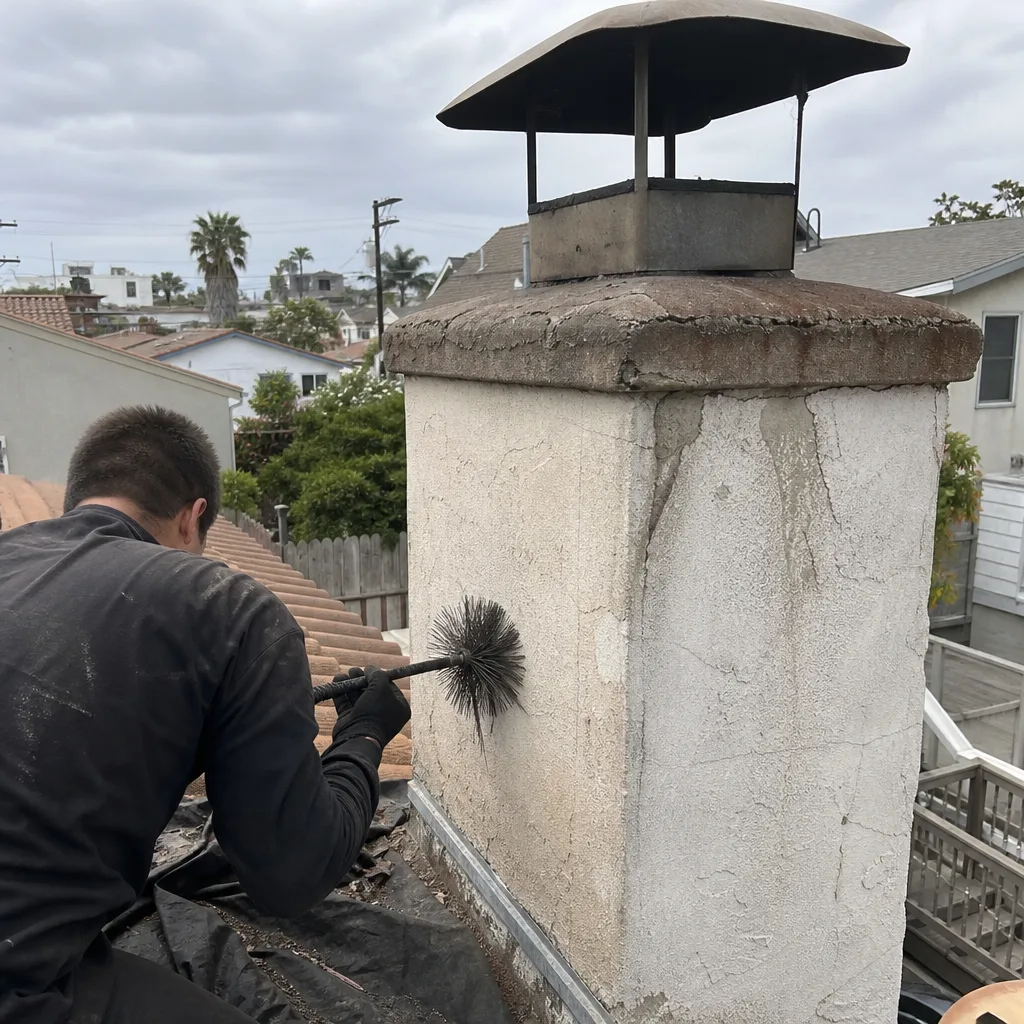
That daily wet-dry-wet cycle creates micro-expansion and contraction in porous materials. Your chimney crown, the concrete slab that caps the masonry, is particularly vulnerable. Even small hairline cracks that formed during the previous winter’s thermal cycling will absorb moisture during June Gloom. When the July sun hits, that trapped water expands as it warms, widening the cracks slightly. Over multiple seasons, a crown that started with a tiny fissure becomes a network of cracks that lets rainwater penetrate the chimney structure itself.
The same logic applies to any exposed brick or stone. Coastal brick is softer than you might think. It’s fired clay, yes, but decades of exposure to salt air and repeated moisture cycling will spall the surface, leaving a crumbly texture and eventually exposing the inner mortar joints. We see this most often on chimneys built before 1980 in the older Pacific Beach neighborhoods, where original masonry is now fifty-plus years old.
You can do a basic visual check from the ground or from a ladder placed safely away from power lines. Look for white mineral staining on the chimney exterior. That’s efflorescence, salt deposits left behind as moisture evaporates from inside the masonry. It means water is getting in somewhere and working its way back out. A little efflorescence on an older chimney isn’t automatically a problem, but it’s a sign that the crown or the mortar joints deserve a closer look.
Why September Is the Optimal Service Window in Pacific Beach
National chimney guides often suggest scheduling service in late summer or early fall, which translates to August through October for most parts of the country, but our Chimney Cleaning Permits, Codes & Inspections in CA: What You Need to Know explains why local requirements matter here. In Pacific Beach, we push that window even earlier, and here’s the reasoning.
First, September sits in the sweet spot after the worst of the marine layer humidity has passed and before the first Santa Ana events arrive. That means the exterior conditions are stable enough to do thorough inspections, and any repairs to crowns, flashing, or mortar joints have time to cure before they face wind and heat.
Second, it’s the slowest time of year for chimney service in Pacific Beach. Most homeowners aren’t thinking about fireplaces in September, which means scheduling flexibility is better, and technicians have more time for careful, methodical work. By late October, we’re responding to wind-related smoke problems that might have been simple fixes if caught a month earlier.
Third, September service covers the reality of how coastal San Diego homes actually use fireplaces. Many Pacific Beach residents burn wood primarily between Thanksgiving and Valentine’s Day, then use gas logs or fireplace inserts for ambiance the rest of the year. That’s a compressed burn season, maybe 30 to 50 actual wood fires. A September sweep means your system is clean and verified before the first wood fire, whenever it comes.
Here’s the step-by-step of what a September service visit in Pacific Beach should include:
- Full flue inspection with video documentation. The technician should run a camera from the firebox to the flue outlet. You should see the footage yourself.
- Creosote assessment and removal. Even light seasonal use builds deposits. The type of creosote (stage one, two, or three) determines what removal methods are safe and complete.
- Damper function test. The damper should open and close fully, and the seal should be checked for warping or gaps. This is the component most often implicated in Santa Ana draft reversal.
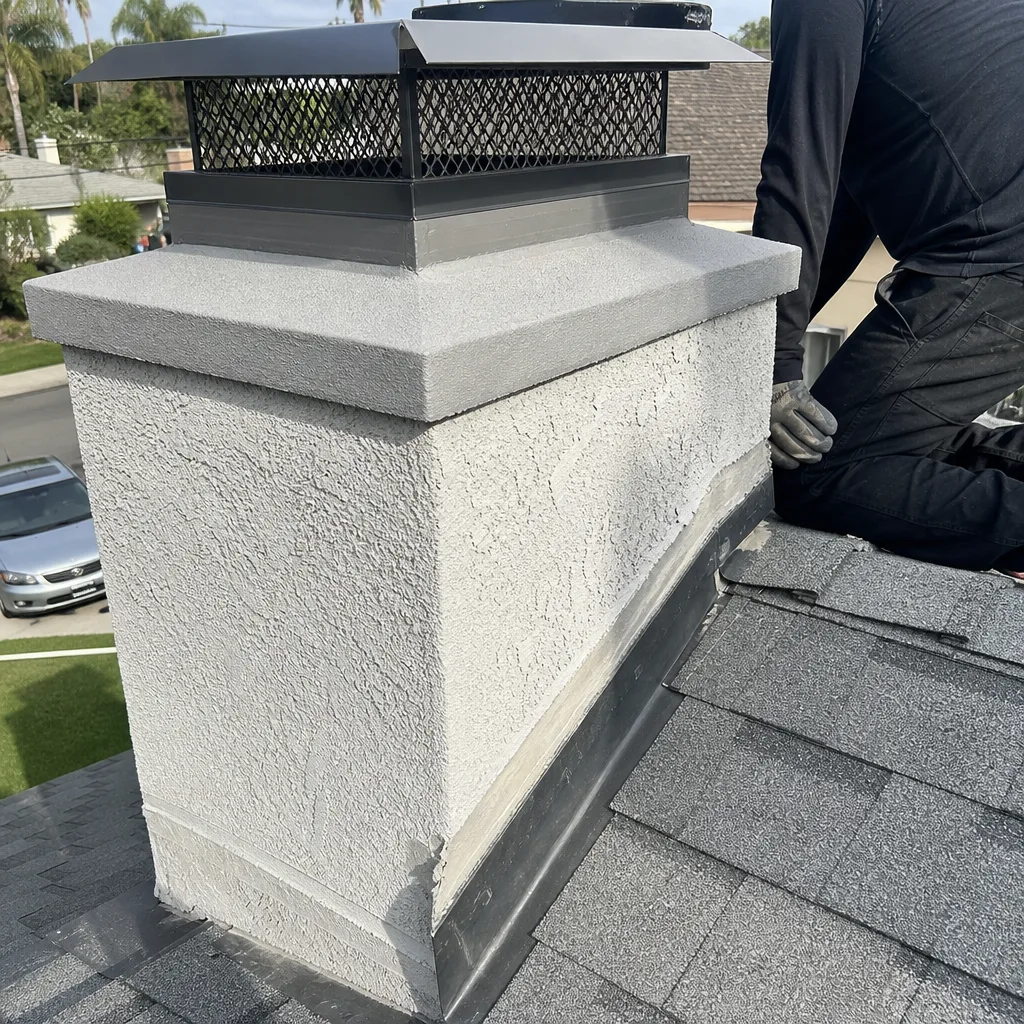
- Chimney cap and spark arrestor inspection. Missing or damaged caps allow rain, birds, and debris into the flue. In Pacific Beach, rust is a common failure point due to salt air.
- Exterior masonry review. Crown condition, mortar joints, and any efflorescence should be documented and prioritized.
- Smoke test under actual conditions. If possible, the technician should perform a smoke test with the damper open to verify draft characteristics for your specific home and roofline.
Identifying Draft Problems Caused by Onshore Wind Patterns
Pacific Beach sits at the western edge of the continent, and the prevailing wind direction for most of the year is onshore, blowing from the ocean toward the land. That means your chimney’s external pressure environment is different from a home in, say, El Cajon or Poway, where terrain and distance from the water change how wind interacts with the roofline.
Onshore winds generally help draft by creating a consistent pressure at the chimney top. That’s the good news. The complication comes when your roof sits in the wind shadow of a larger building, when trees around your property channel wind unpredictably, or when Santa Ana conditions reverse the normal flow entirely.
Here are the draft problems we see most often in Pacific Beach homes, and how to tell if you have one:
- Smoke entering the room only on windy days. This is the classic Santa Ana signature. It usually points to a damper seal issue or a flue that’s slightly undersized for the firebox.
- Backdraft when exhaust fans are running. Pacific Beach kitchens built in the last twenty years often have powerful range hoods. If your fireplace smokes when the exhaust fan is on, the home is depressurizing, and the chimney is losing the pressure battle. This is a ventilation problem as much as a chimney problem.
- Cold air falling into the room when the fireplace isn’t in use. That’s a damper that isn’t sealing or a chimney cap that’s letting air through. It’s more than a comfort issue; it’s also a signal that combustion gases could reverse during a pressure event.
- Whistling or howling sounds from the chimney on windy nights. This usually indicates turbulence across a damaged cap or an improperly sized flue liner.
The fix for these issues varies. Sometimes it’s a simple damper adjustment or replacement. Sometimes it’s a chimney cap redesign. In certain cases, particularly older Pacific Beach homes with original fireplaces, the permanent solution is a properly sized insulated liner, which is where a Chimney Repair in Pacific Beach specialist can advise whether a DuraFlex flexible liner installation would correct a chronic draft problem. The point is: don’t live with a smoky fireplace. Most draft issues are diagnosable and fixable, but only if you get them evaluated before burn season rather than during the first wind event.
Post-Fire-Season Tasks: What to Inspect in March and April
By late February or early March, most Pacific Beach wood-burning activity winds down. The weather shifts, daylight lengthens, and the fireplace goes dormant. But a few post-season tasks will save you money and headaches next fall.
First, leave the damper open for a few days after your last fire. Let the firebox and flue fully dry and ventilate. Then close the damper and cap the firebox if you have glass doors, which keeps moist marine air from circulating up the flue during June Gloom. Moisture plus creosote residue is a corrosive combination, and letting it sit all summer accelerates liner deterioration.
Second, look for anything unusual that happened during the burn season. If you noticed any smoke smell in the house, any difficulty lighting fires, or any unusual sounds, note them and have them evaluated in spring, not next September. Spring is actually a great time for repairs because conditions are dry, and any mortar or crown work has weeks of mild weather to cure properly, as noted in our Chimney Cleaning Emergency Preparedness Guide for Pacific Beach Homes.
Third, check the chimney exterior after the winter rain season concludes. Pacific Beach gets most of its rain between December and March. If your chimney flashed or crowned correctly, you won’t see changes. But if water infiltrated during winter storms, spring is when you’ll see efflorescence, spalling, or water stains on interior ceilings near the chimney chase.
Here’s a simple post-season checklist:
- Close and lock the damper after the firebox has fully cooled.
- Remove any remaining ash from the firebox (it’s acidic and holds moisture).
- Inspect the firebox walls for any new cracks or deterioration.
- Check the chimney cap from the ground using binoculars for any wind damage.
- Schedule any needed repairs for April or May, while conditions are dry.
If you’re diligent about this cycle, September visits become straightforward cleanings and inspections rather than repair emergencies.
Summer BBQ and Gas Log Use: How Occasional Burning Affects the Flue
Pacific Beach homeowners love their outdoor spaces, and summer often means BBQ smoke drifting through the neighborhood. But what about the chimney attached to the house? If you have a gas log set or a fireplace insert that gets occasional use during summer months, there are a few things worth knowing.
Gas logs burn much cooler and cleaner than wood. They don’t produce significant creosote buildup, which is the primary driver of chimney fires. But they do produce water vapor as a byproduct of combustion, and they exercise a different set of components. The pilot light runs continuously on many gas log sets, which means a constant, small flame is heating the firebox and flue base even when you’re not using the fireplace. Over a full year, that’s thousands of hours of low-level heat cycling through your damper and firebox materials.
Gas log use also doesn’t burn away spider webs, wasp nests, or other debris that accumulates in the flue during warmer months. A wood fire creates high heat and strong draft that tends to clear minor obstructions. A gas log fire creates gentle warmth that will happily coexist with a wasp nest lodged near the damper.
What does this mean for Pacific Beach specifically? If you use gas logs year-round, even just in the evenings during June Gloom, your flue still needs an annual inspection. The good news is that gas-only fireplaces typically need less frequent sweeping. But they do need their venting checked for blockages, their damper clamps verified (gas logs require a damper that can’t fully close, which has its own draft implications), and their gas connections inspected. A Chimney Sweep in Pacific Beach can evaluate gas log systems with the same thoroughness as wood-burning setups.
For summer BBQ enthusiasts: your outdoor grill and your indoor fireplace are independent systems. But they share one thing in common, and that’s the need for clear ventilation paths. If you’re already thinking about fire safety for the season, it’s not a bad time to check the fireplace too.
When a Sweep Isn’t Enough: Knowing the Difference Between Cleaning and Structural Repair
A chimney sweep is a critical maintenance service, but it has limits. Sweeping removes creosote, soot, and debris from the flue. It doesn’t fix cracks in the liner, replace a rusted damper, repair a degraded crown, or correct a masonry issue. Many Pacific Beach homeowners learn this the hard way when a sweep reveals problems that require a second visit from a repair specialist.
This is where single-discipline and multi-discipline companies diverge. A sweep-only operator can clean your flue, but if the camera inspection reveals a compromised liner, that’s a separate contractor, separate scheduling, and separate quote. Our approach at Chimney Sweep Pacific Beach home keeps both capabilities under one roof. The technician who sweeps your flue is also trained to identify and address liner and masonry issues, whether that’s a HeatShield resurfacing to extend liner life or a full DuraFlex flexible liner installation if the original flue has failed.
Here’s what the distinction looks like in practice:
- Sweep territory: creosote removal, soot removal, debris clearing, basic damper cleaning, cap cleaning, general inspection.
- Repair territory: cracked flue liner tiles, deteriorating mortar joints between tiles, damaged chimney crown, rusted or warped damper, missing or damaged cap, spalling brick, flashing leaks, structural masonry concerns.
The line between these categories sometimes only becomes clear with a camera inspection. We’ve had Pacific Beach customers who scheduled a basic sweep and learned their flue liner was cracked in multiple places, a problem they’d been living with for years because the fireplace still drafted adequately and they’d never smelled smoke in the house. A cracked liner is dangerous because it can allow combustion gases to escape into wall cavities or attic spaces, and it’s invisible from the firebox.
HeatShield flue resurfacing can add years to a compromised liner without full replacement. The process applies a ceramic coating to the interior flue surface, filling small cracks and restoring a continuous, insulated barrier. It’s appropriate for liners that are structurally intact but showing age, and it’s significantly less invasive than removing and replacing the original flue tiles. If the liner has failed more substantially, a DuraFlex flexible liner installation is the robust option, running a continuous stainless steel sleeve from the firebox to the chimney top. Both approaches are repair work, not sweeping, and both should only be performed by a technician who has seen the camera footage and can show it to you.
Knowing the difference helps you ask better questions when you schedule service. Ask what the visit includes. Ask whether the technician will run a camera. Ask whether the company can address whatever the camera finds, or whether you’ll need to find a second contractor. The answer tells you a lot about how your chimney will actually be cared for.
Material Choices That Hold Up in Coastal Air
Pacific Beach’s salt-laden air is a fact of life. It corrodes metal faster than inland locations, and it accelerates the failure of inferior materials. When your chimney needs repair or component replacement, the choice of materials matters in ways that aren’t obvious at the point of purchase.
We use the same product lines professional chimney contractors rely on, not what’s on the hardware store shelf. Here’s why that matters in coastal conditions:
- Stainless steel flue liners from trade brands like DuraFlex are alloyed for high-temperature and corrosion-resistant service. Hardware-store equivalents, often intended for water heater or dryer venting, corrode under chimney conditions and fail prematurely.
- Chimney caps and termination components from Copperfield and Olympia Chimney are fabricated from heavier-gauge materials with protective coatings designed for outdoor exposure. Salt air eats through thin, poorly coated metal in a few seasons.
- Flue resurfacing materials like HeatShield are engineered for the specific thermal and chemical conditions inside a flue, not generic refractory cement.
- Caulks and sealants from trade suppliers like Gelco are formulated for high-temperature chimney applications. Standard silicone caulk fails when exposed to flue temperatures and UV radiation.
None of this is about brand loyalty for its own sake. It’s about running materials that are proven in this specific application, in this specific coastal environment. When a repair holds up for twenty years instead of five, the material choice was the difference.
If your chimney needs work, ask what materials the contractor plans to use. A straight answer with specific brand names is a good sign. Vague responses like “standard stainless” or “whatever the supply house stocks” tell you less about what’s actually going into your home. We name the materials we use so you know exactly what’s going into your home.
Common Mistakes to Avoid
- Waiting until November to book service. By November, Santa Ana season has begun, and any draft problem you’ve been living with will announce itself on the first windy night. September is the right month in Pacific Beach.
- Closing the damper immediately after the last fire of spring. Let the firebox and flue air out for a few days first. Trapping moisture and creosote together all summer accelerates corrosion.
- Assuming gas logs don’t need service. Gas log sets still need annual venting inspections. Spiders, wasps, and debris love an unused flue, and gas fires don’t create enough draft to clear blockages.
- Ignoring efflorescence on the chimney exterior. White mineral staining means water is moving through your masonry. It’s not always urgent, but it’s never nothing.
- Using the fireplace when the wind is howling. If you know your damper seal is marginal, burning during strong Santa Ana conditions is the highest-risk scenario for a backdraft. Get the damper evaluated.
- Thinking a sweep fixes a cracked liner. Sweeping removes deposits. It doesn’t close cracks or restore structural integrity. If the camera shows damage, the fix is repair work, not cleaning, and the two services are different.
- Neglecting the dryer vent because the chimney is “fine.” Dryer vents are a separate system but the same fire-safety conversation. Dryer Vent Cleaning in Pacific Beach addresses a leading residential fire risk that most chimney companies ignore or subcontract out.
See the difference
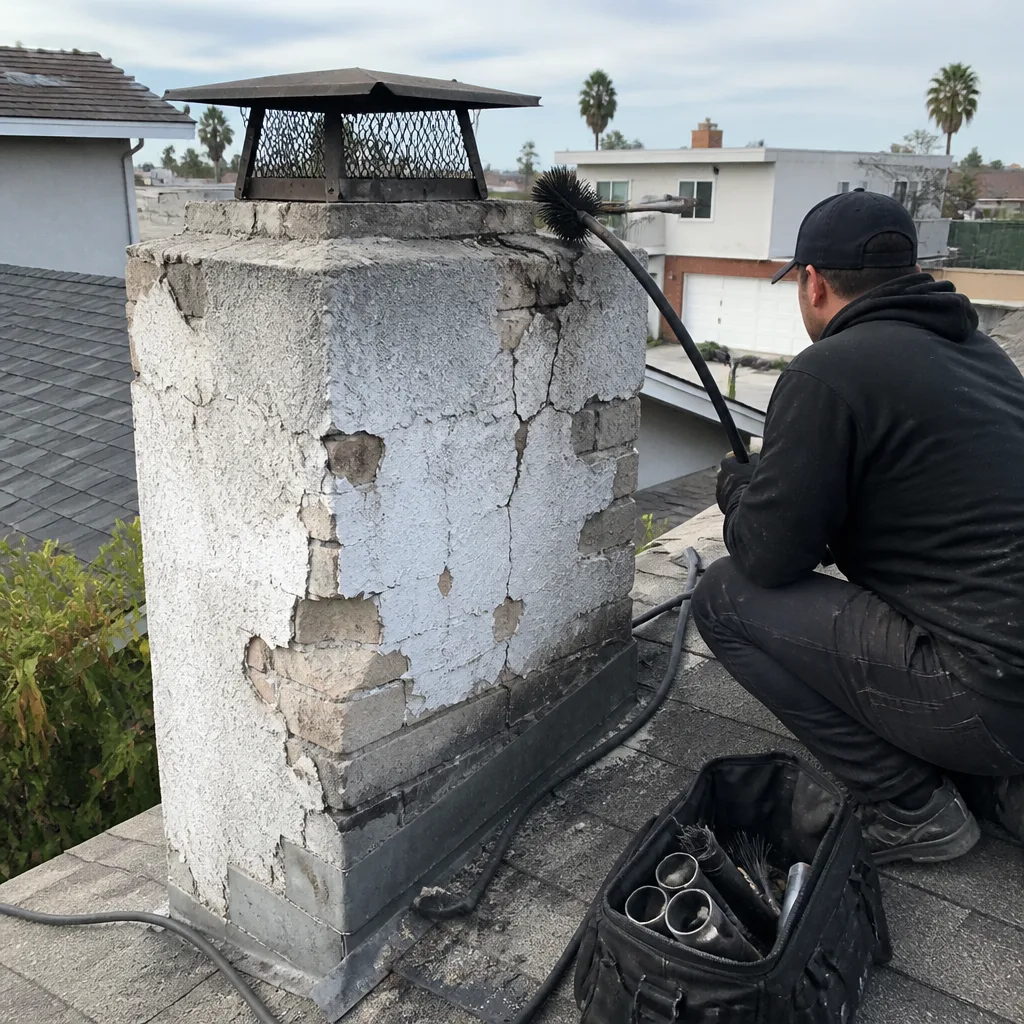 Before
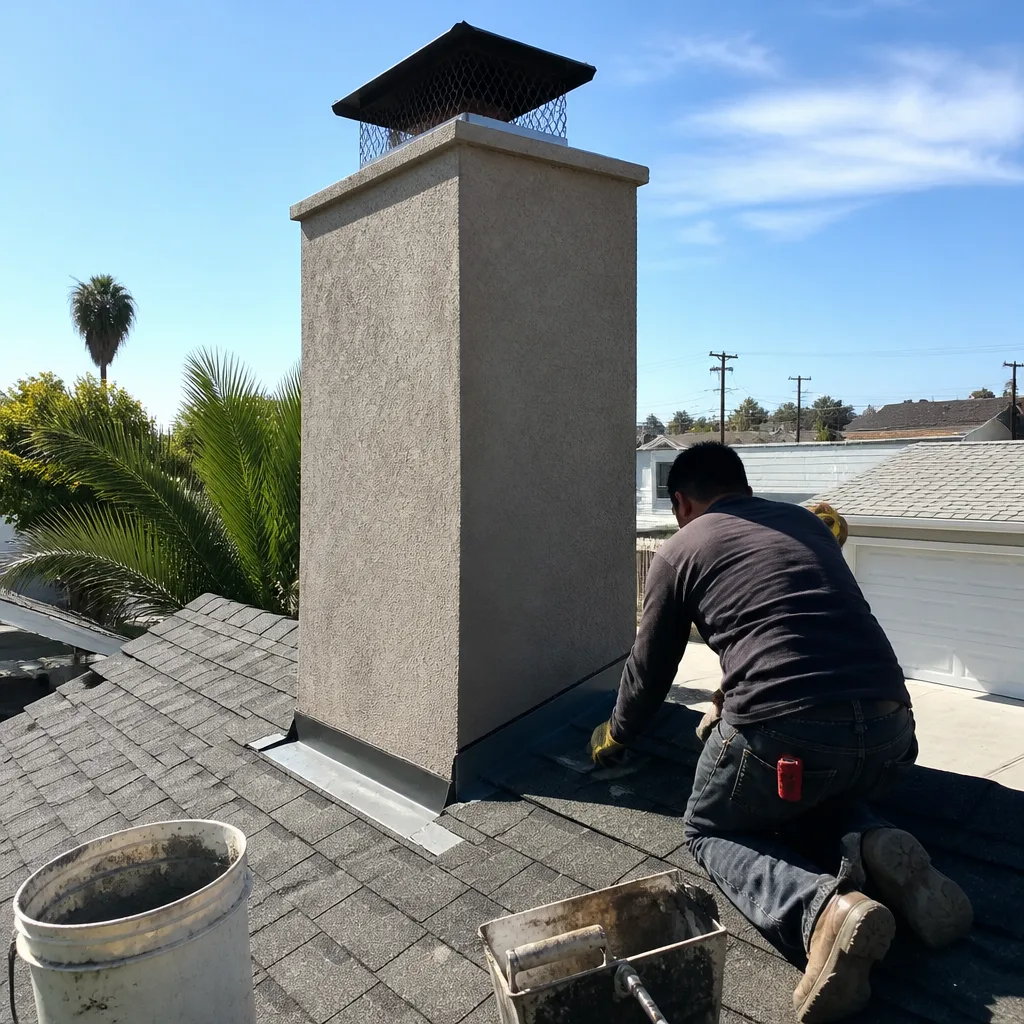 After
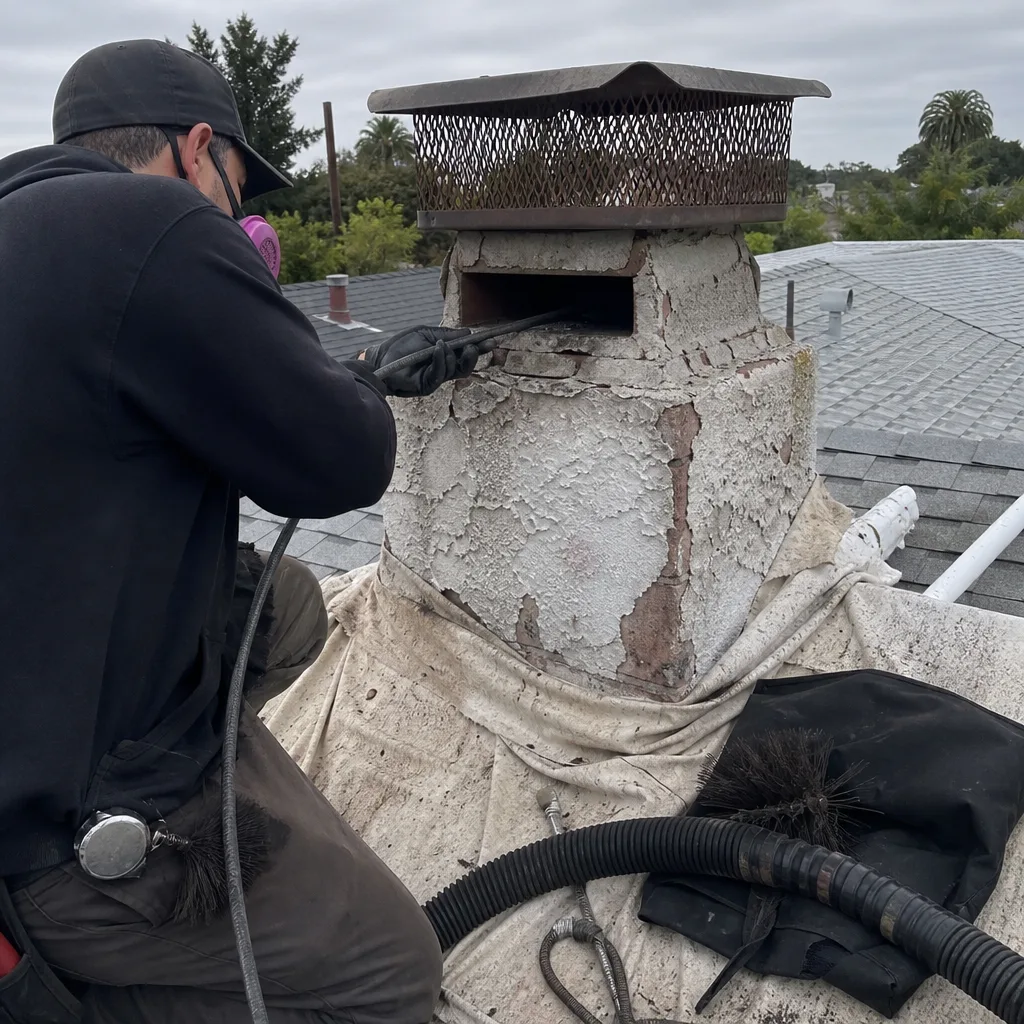 Before
 After
 Before
 After
When to Call a Professional
Some chimney issues are visual inspection items you can handle from the ground. Others require a trained technician with a camera and the experience to interpret what the camera shows. Call a professional if you notice smoke entering the room during windy conditions, if you see white staining or crumbling brick on the chimney exterior, if you smell smoke or soot in the house when the fireplace is not in use, if your damper won’t fully open or close, or if it’s simply been more than a year since your last inspection. These are not all emergencies, but they are all conditions that don’t improve with waiting. Chimney Sweep Pacific Beach offers free estimates in Pacific Beach. Call (866) 282-7711 to schedule a seasonal inspection or ask about any of the repair capabilities discussed in this guide.
Frequently Asked Questions
Once a year, in September, is the right cadence for most Pacific Beach homes. This single visit covers the pre-burn-season inspection, cleaning, and any minor adjustments before Santa Ana season begins. Homes that burn wood heavily (fifty or more fires per year) may need a mid-season check in January, but that level of usage is unusual in coastal San Diego.
Yes, though the cleaning portion may be lighter than for a heavy-use fireplace. The annual visit is primarily about inspection: verifying that the damper seals, the cap is intact, the liner is sound, and no critters have taken up residence. Even two or three wood fires per year produce creosote, and the coastal moisture cycle makes any creosote more corrosive over time.
A standard chimney sweep and inspection in Pacific Beach typically runs between $150 and $300, depending on the size of the flue and the level of creosote buildup – see our Chimney Cleaning Cost Breakdown: The Pacific Beach Homeowner’s Reference for 2026 for full pricing details. If the camera inspection reveals repair needs, those are quoted separately. Call (866) 282-7711 for an exact quote. Estimates are free.
You risk a chimney fire if creosote builds up unnoticed, a carbon monoxide incident if the liner is cracked and combustion gases escape into wall cavities, or a smoke-back event during Santa Ana winds if the damper seal has degraded. Most of these conditions are silent until they’re not. The annual inspection is the mechanism that finds them before they find you.
Chimneys and dryer vents are separate systems with separate failure modes. A clean chimney doesn’t prevent dryer vent fires, which are among the most common causes of residential fires in the United States. Lint builds up in dryer vents regardless of how well your fireplace is maintained. We offer dryer vent cleaning as a standalone or add-on service, handled in-house.
You can remove ash from the firebox, and you can inspect exterior surfaces from the ground. But a proper chimney sweep requires getting to the roof safely, running a brush system through the flue, and inspecting the liner with a camera. The high-tension, height, and inspection-equipment realities make this a professional job for most homeowners, and doing it partially is worse than not doing it at all because it creates a false sense of security. Call (866) 282-7711 for a free estimate and leave the flue work to someone who does it daily.
The Bottom Line
Pacific Beach chimney care runs on a coastal clock, not a national one. Skip the generic “October service” advice and think in terms of September for pre-Santa Ana preparation, March for post-season inspection and repairs, and June through August for monitoring what the marine layer does to your exterior masonry. The annual sweep is non-negotiable, not because burning season is long here, but because the coastal environment is corrosive and the wind events are predictable. Whether you need a basic sweep, a HeatShield liner resurfacing, a DuraFlex liner installation, or dryer vent service, one call covers it. That’s the advantage of working with a company that handles sweep, repair, and dryer vent under one roof.
Written by the team at Chimney Sweep Pacific Beach, serving Pacific Beach since 2012.