
Last updated November 2, 2026
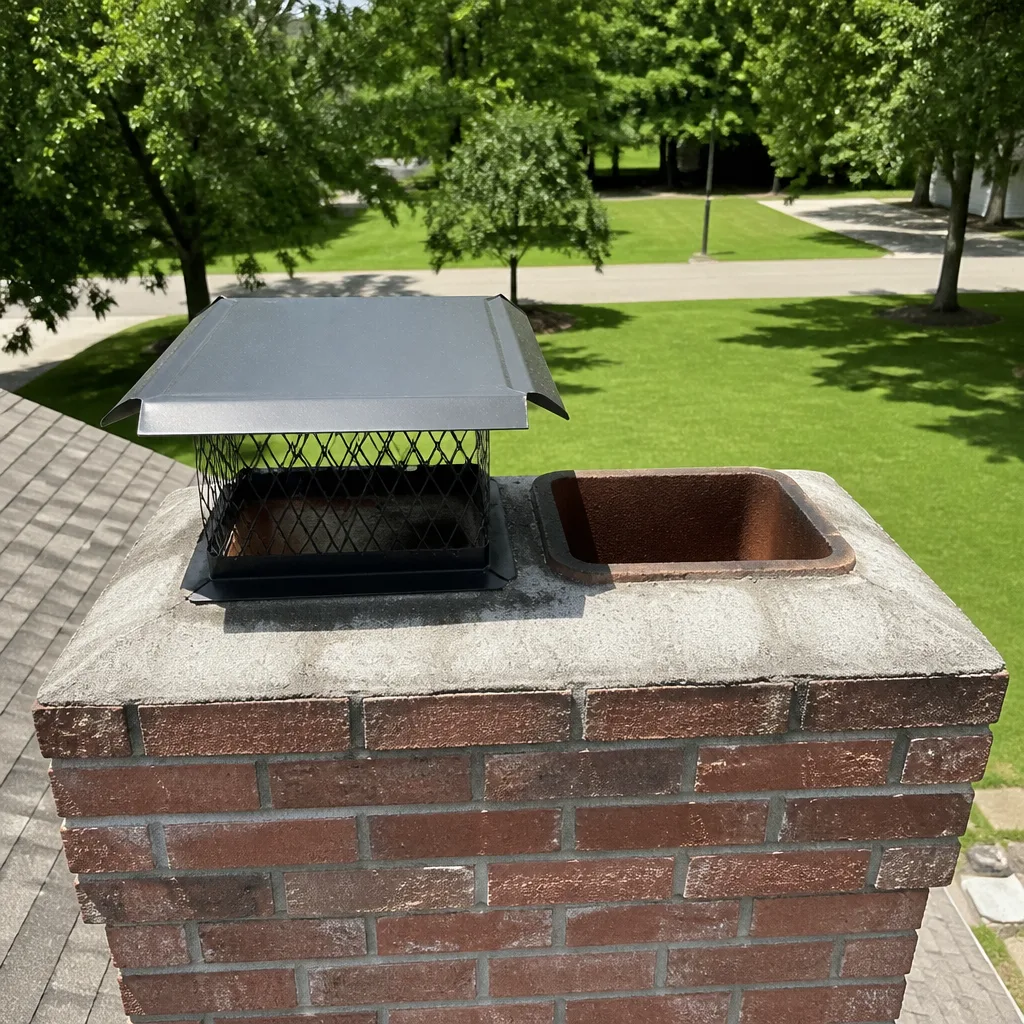 Sweep & inspection
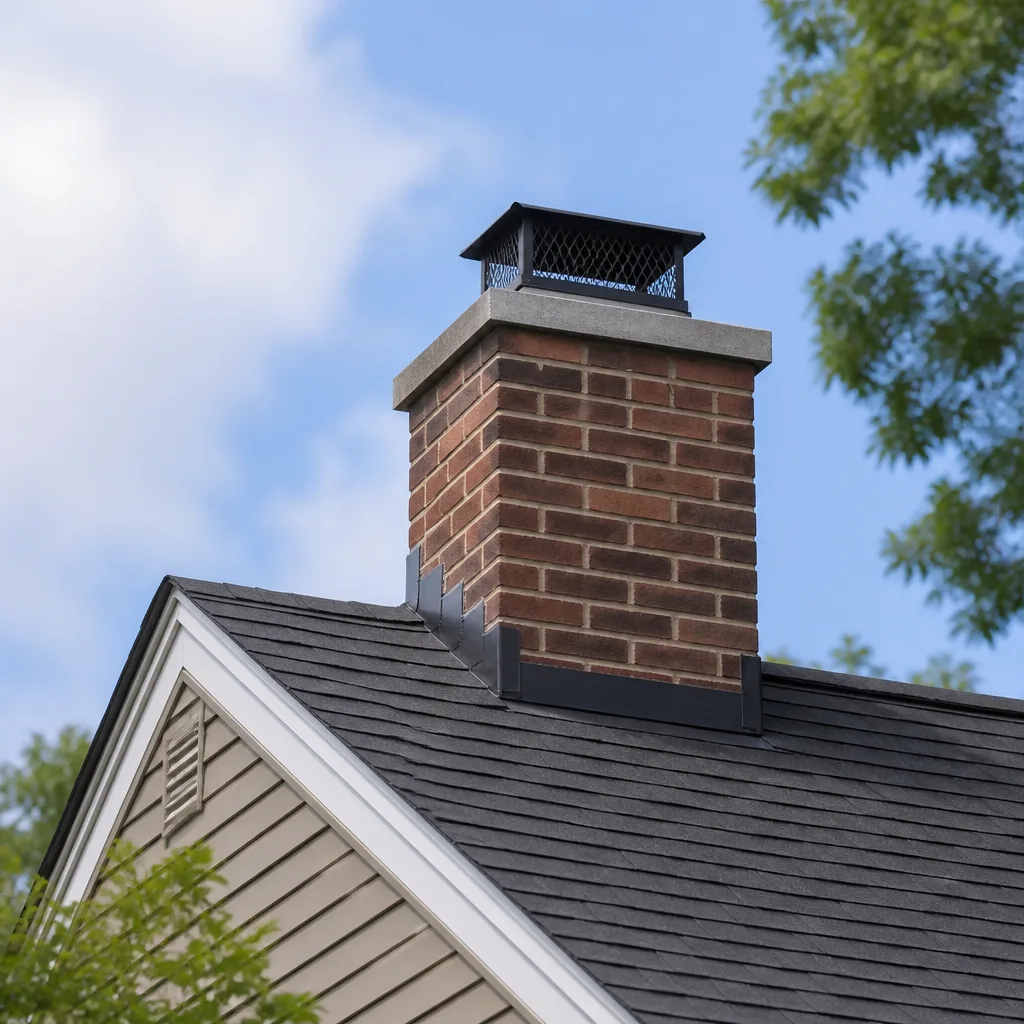 Caps & crowns
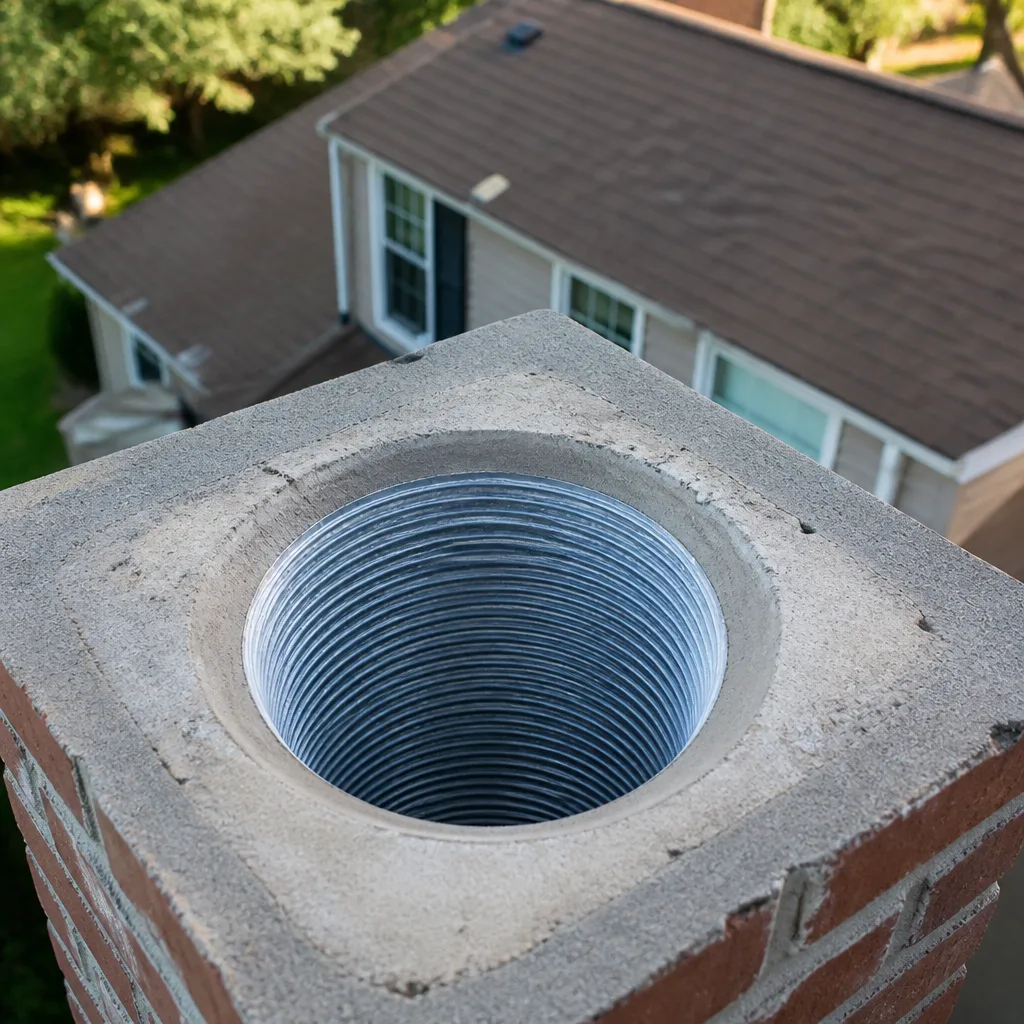 Flue relining
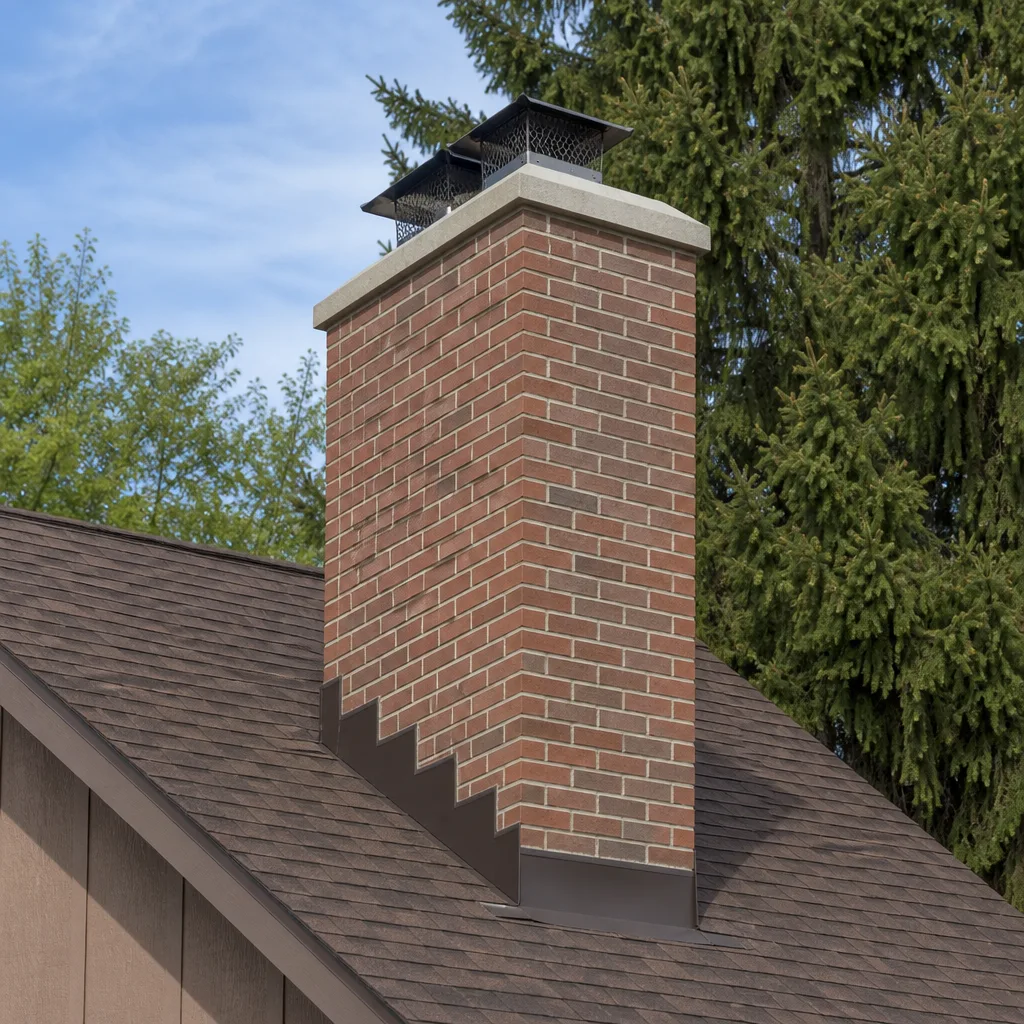 Masonry repair
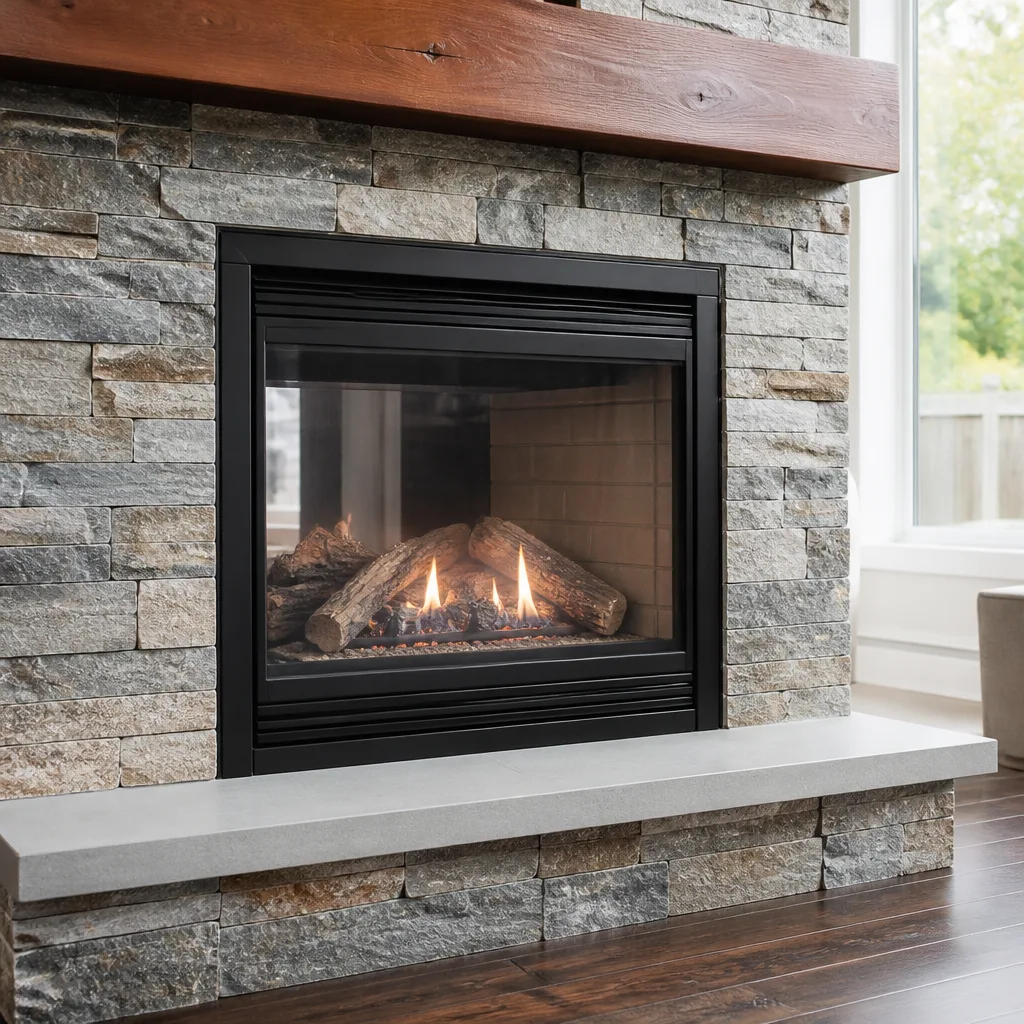 Gas fireplace service
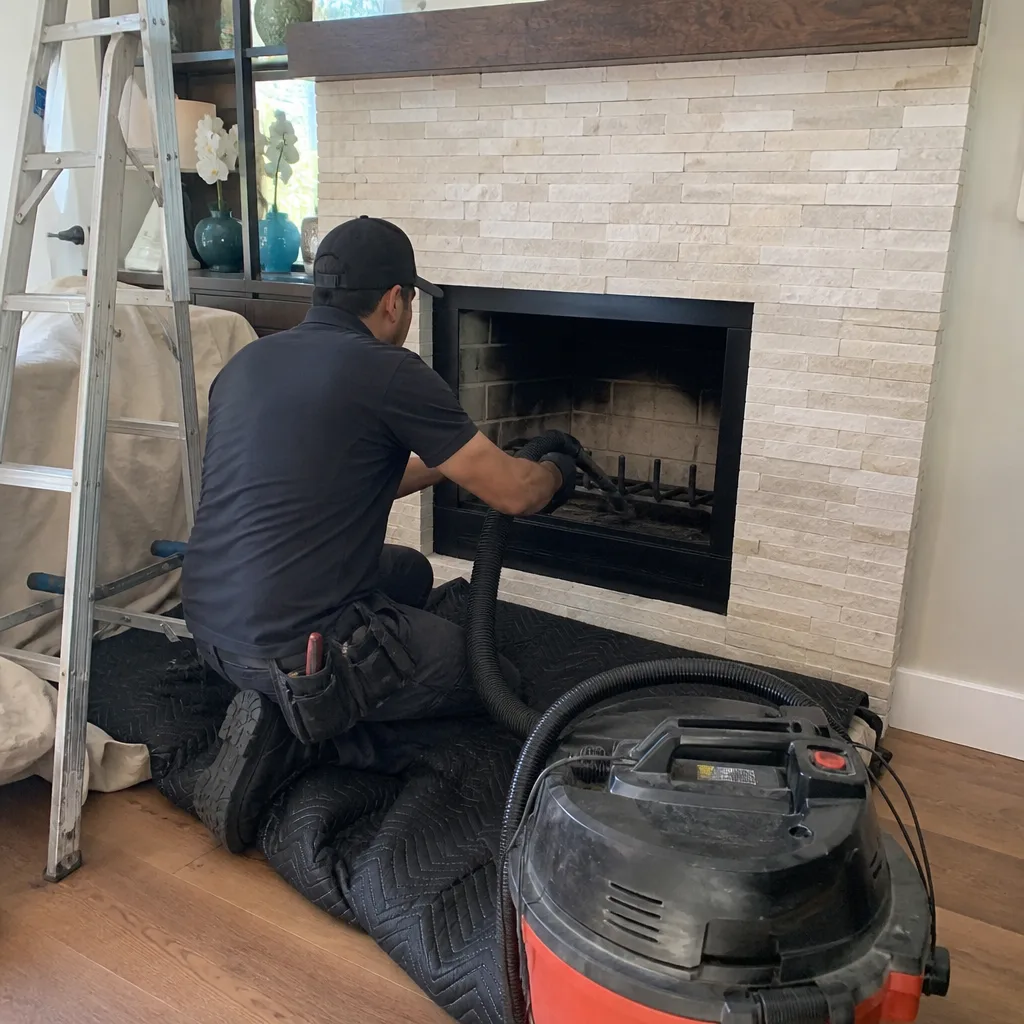
Level 1 sweep and inspection to the NFPA 211 annual standard - flue, crown, cap, and flashing checked and photographed
Chimney sweep logs do not sweep chimneys. They loosen some creosote - which then falls where a brush and vacuum still have to collect it.
Chimney Sweep Troubleshooting: Common Problems and How to Fix Them
A smoking fireplace is rarely a draft problem. In the majority of service calls we run in Pacific Beach, the damper is either stuck partially closed, warped from a past overheat, or the homeowner never fully opened it in the first place. Chasing airflow solutions on a mechanical damper failure wastes time and money. This guide walks through the most common chimney symptoms, what actually causes them, and which fixes you can handle yourself versus which ones need a trained Chimney Sweep with camera equipment and trade-grade repair materials. By the end, you’ll know how to read your chimney the way a technician does.
Quick Answer
Most chimney problems trace back to one of five root causes: a malfunctioning damper, a restricted flue, negative house pressure, moisture intrusion through the crown or chase cover, or creosote buildup that has advanced past what a standard brush can remove. Smoke backdraft, persistent odors, slow draw, visible cracking, and water in the firebox are symptoms, not the problem itself. Fix the mechanical or structural issue at the source, and the symptom disappears. A professional camera inspection is the fastest way to identify which of these causes is at work.
Styles & brands we work with
- Sweep & inspection
- Caps & crowns
- Flue relining
- Masonry repair
- Gas fireplace service
Table of Contents
- Smoke Backdraft: The Damper and Pressure Problem
- Slow Draw: Blockage, Flue Size, or Cold-Air Plug
- Chimney Odors: Why They Spike in Summer and What Actually Stops Them
- Creosote Stages: When a Standard Sweep Isn’t Enough
- Visible Cracking: Reading Spalling, Crown Damage, and Flue Tile Stress
- Water in the Firebox: Tracing the Leak Path
- DIY Inspection: What You Can See From the Firebox vs. What Requires a Camera
- Dryer Vent Problems: The Fire Risk Most Chimney Companies Skip
Smoke Backdraft: The Damper and Pressure Problem
When smoke pours into the living room instead of up the flue, the instinct is to blame wind or a cold chimney. We’ve watched Pacific Beach homeowners open windows, crack doors, and even aim fans at the fireplace before discovering the real issue: the damper plate never fully opened, or it warped out of position after years of heat cycling. A damper that hangs even 20 percent closed can change the entire pressure dynamic of the flue. Smoke has nowhere to go but backward.
The second most common cause is negative house pressure. Modern homes in San Diego’s coastal belt are built significantly tighter than older construction. Bathroom fans, range hoods, and especially whole-house exhaust systems pull air out of the home faster than it can be replaced through passive leaks. The chimney becomes the path of least resistance for makeup air, and that incoming air pushes smoke back into the room every time you light a fire. This is not a chimney defect. It’s a ventilation imbalance.
How to distinguish damper failure from negative pressure
- Damper failure: Backdraft starts immediately when the fire is lit, even on a calm day. You may feel the damper handle move without corresponding resistance, suggesting the plate has detached from the linkage. A visual check with a flashlight shows a plate that sits crooked or won’t seat fully open.
- Negative pressure: Backdraft worsens when exhaust fans are running. Open a nearby window an inch and the smoke reverses direction within seconds. This is the classic tell. If opening a window fixes the draw, the problem is house pressure, not the chimney.
- Cold-air plug: In rare coastal cases, a column of cold, dense air sits in the flue and blocks the lighter warm air from rising until the flue heats up. This shows as severe backdraft in the first five minutes that then mysteriously clears. It’s uncommon in Pacific Beach’s mild climate but shows up in uninsulated exterior chimney chases.
A warped damper plate usually requires replacement, and this is not a part you want to guess at. We name the materials we use so you know exactly what’s going into your home. Many of the damper assemblies we pull out of Pacific Beach chimneys were installed 20 to 30 years ago and have simply fatigued. The fix is straightforward but requires removing the old assembly, matching the flue dimensions, and seating the new plate correctly. Done wrong, the backdraft comes back the first time the wind shifts.
Slow Draw: Blockage, Flue Size, or Cold-Air Plug
A fire that burns but leaves the room smoky, with lazy flames and a faint wood-smoke haze, is telling you the flue is moving air, just not enough of it. The three causes worth checking are a partial blockage, an oversized flue, or a chimney that’s too short for the roof pitch. Each one produces the same symptom through a different mechanism.
Partial blockages are the most dangerous and the most common. A bird nest built into the flue, a loose section of clay tile that shifted, or creosote that has flaked off the walls and piled up at the smoke shelf can reduce the flue opening by half while still looking fine from the firebox. You cannot see this from below. A camera inspection takes about 20 minutes and shows the restriction in real time.
Step-by-step: narrowing down a slow draw
- Check the damper first. Confirm it opens fully and locks into position. A partially closed damper mimics every other cause.
- Open a window an inch. If the draw improves immediately, the issue is house pressure competing with the chimney.
- Look for visible creosote from the firebox opening. What you can see at the bottom is usually a fraction of what’s higher up the flue. If you see flaking or tar-like buildup at the lower section, the upper section is likely worse.
- Schedule a camera inspection. This confirms whether the restriction is a nest, a shifted tile, or a creosote accumulation reached stage 2 and needs mechanical removal.
- If the flue is clear, measure the liner diameter against the firebox opening. A large open fireplace on a small flue will always draw slowly. The ratio matters, and older Pacific Beach homes with converted fireplaces often have mismatched sizing from renovations decades ago.
Some slow-draw problems are structural. A chimney that terminates too close to the roof peak, or one that sits in a wind shadow from a neighboring two-story addition, will never draw well in certain wind conditions. These are fixable with a flue extension or a properly selected cap, but the diagnosis has to come from someone standing on the roof looking at the actual geometry, not from a guess made at ground level.
Chimney Odors: Why They Spike in Summer and What Actually Stops Them
Chimney odors arrive on a predictable schedule in Pacific Beach. Every summer, as the marine layer settles in and humidity climbs, we get calls from homeowners who notice a musty, acrid smell coming from their fireplace. The standard advice online is to sweep the chimney or hang a deodorizer. Neither fixes the underlying cause in most cases.
The smell mechanism is straightforward. Creosote is hygroscopic, meaning it absorbs moisture from humid air. When coastal humidity rises in the summer months, creosote deposits inside the flue pull that moisture in, swell, and release the smoke compounds trapped inside. The result is a sharp campfire smell that gets worse on humid days, even when the fireplace hasn’t been used in months. Sweeping removes the creosote and temporarily eliminates the smell. But if the flue stays damp because the chase cover is rusted through or the crown is cracked, new creosote will form quickly and the cycle repeats.
Why cleaning alone fails in coastal climates
- Moisture intrusion through the crown: A cracked chimney crown lets rain and fog drip down into the flue. The creosote absorbs it, and the odor compounds release. Sealing the crown stops the moisture at the source.
- Rusted chase cover: In prefabricated chimney systems, the metal chase cover on top rusts through over years of salt air exposure. Moisture then runs straight down the chase. This is one of the most common issues we see in Pacific Beach.
- Missing or damaged cap: The chimney cap keeps birds out and direct rain from falling into the flue. Without it, the flue becomes a humidity trap.
If you want the odor gone permanently, address the moisture entry before or alongside the cleaning. We use trade-brand cap and crown materials from Copperfield and Gelco because chimney trade suppliers stock them for a reason. A properly sealed cap and crown assembly keeps the flue dry enough that creosote never gets the chance to swell and off-gas. The cleaning is still essential, but the moisture fix is what prevents the smell from returning in August.
Creosote Stages: When a Standard Sweep Isn’t Enough
Creosote forms in three stages, and the stage determines both the cleaning method and the urgency. Stage 1 is a light, flaky soot that brushes off easily with a standard wire brush. Stage 2 is tar-like and sticky, with a glossy appearance that looks like hardened molasses. Stage 3 is a thick, hardened glaze that has built up in layers, sometimes to a half-inch or more, and burns like fuel under the right conditions.
The problem with stage 2 and stage 3 buildup is that a standard brush passes over it without removing the deposit. A homeowner who sweeps their own chimney with a hardware-store brush may believe the flue is clean when the walls are still coated in a combustible glaze. This is exactly the scenario that produces chimney fires.
Signs your creosote has hit stage 2
- The flue walls appear shiny when you shine a flashlight up from the firebox, not dull and dry.
- The buildup is dark brown or black and clumps together rather than flaking off.
- You notice a creosote odor inside the house even when the fireplace is cold, especially on humid days.
- You’ve burned a lot of unseasoned wood or softwood over the previous season, or you’ve run smoldering, low-temperature fires in an effort to extend burn time.
- Sweeping the visible lower section of the flue doesn’t produce much loose debris, because the tar-like coating stays adhered to the walls.
- Damaged or missing chimney cap: A chimney that is missing a cap takes rain directly down the flue, and the water ends up in the firebox within minutes of a heavy rain. This is the easiest fix. A properly sized cap from a brand like Olympia Chimney or Copperfield solves the issue in one service call.
- Cracked crown: Water enters through fissures in the concrete crown and runs down the inside of the masonry, eventually reaching the firebox. You may also see damp spots on the ceiling near the chimney or staining on the exterior brick. Crown repair or recasting is the fix.
- Flashing failure: The metal flashing where the chimney meets the roof is a common failure point, especially in older Pacific Beach homes that have been through decades of coastal weather. Failed flashing lets water run down the outside of the chimney and into the firebox from the sides. This requires roof-level repair and proper re-installation with the right sealant.
- The damper plate: Open and close it. Does it move smoothly? Does it seat fully open? Can you see rust or warping on the plate edges? Any of these is worth flagging for a sweep.
- The lower flue section: This is the first few feet of flue visible above the damper. If you see flaking creosote or glassy tar-like buildup here, the upper flue is almost certainly worse, because the upper sections cool more and collect more creosote.
- The firebox walls: Cracks, loose bricks, or deteriorated mortar joints are visible directly. These are signs of heat stress or moisture intrusion.
- Debris: You can spot leaf litter, twigs, or nesting material that has fallen to the smoke shelf. This tells you the cap is missing or damaged.
- The upper two-thirds of the flue: This is where most creosote accumulation, tile cracking, and flue deterioration occurs. The geometry of a fireplace prevents you from seeing past the lower bend. A camera is the only way to inspect this section properly.
- The crown and cap condition from above: Unless you’re getting on the roof, you can’t see crown cracks, flashing condition, or cap fit. Ground-level observation from the street tells you nothing about water-tightness.
- The exterior mortar joints on the upper chimney: Deteriorated joints let in moisture that you won’t see from inside the house until the damage has progressed.
At stage 2, removal requires a rotary cleaning system with steel whip heads that spin against the flue walls and break the deposit loose. This is a different process than a standard sweep, and it’s the reason we stock rotary equipment on the truck for Pacific Beach service calls. We’ve pulled significant stage 2 buildup out of chimneys that had been “cleaned” once a year by a standard brush, as we detail in our Complete Chimney Sweep Guide for Pacific Beach Homeowners. The homeowner did everything right on scheduling but was getting a surface-cleaning service that left the actual fire hazard in place.
Stage 3 buildup is a fire waiting for an ignition source. If your flue has reached this point, a sweep with camera verification is non-negotiable before the next fire. In some cases, stage 3 creosote has damaged the flue liner itself, and a HeatShield resurfacing may be needed to restore the flue to a safe condition. That’s a repair-tier service, not a cleaning, and it’s one of the reasons we recommend camera documentation with every stage 3 removal.
Visible Cracking: Reading Spalling, Crown Damage, and Flue Tile Stress
Cracks in masonry mean different things depending on where they show up. What looks like a cosmetic issue from the ground is often the visible edge of a structural problem, and what looks alarming is sometimes surface-level weathering. The key is reading the type of crack and its location.
Spalling is the flaking or popping of brick faces, and it’s caused by moisture absorbed into the brick, then expanding as it heats from the sun or the fire. In Pacific Beach, the combination of salt air, fog, and brick chimneys from the 1960s and 1970s makes spalling a constant issue for exterior masonry. Once the face of a brick pops off, you’re seeing the softer inner core exposed. The brick continues to deteriorate from there. Spalling is a moisture management problem first and a structural problem second. Pointing over spalled brick without addressing the moisture source just shifts the failure deeper into the chimney.
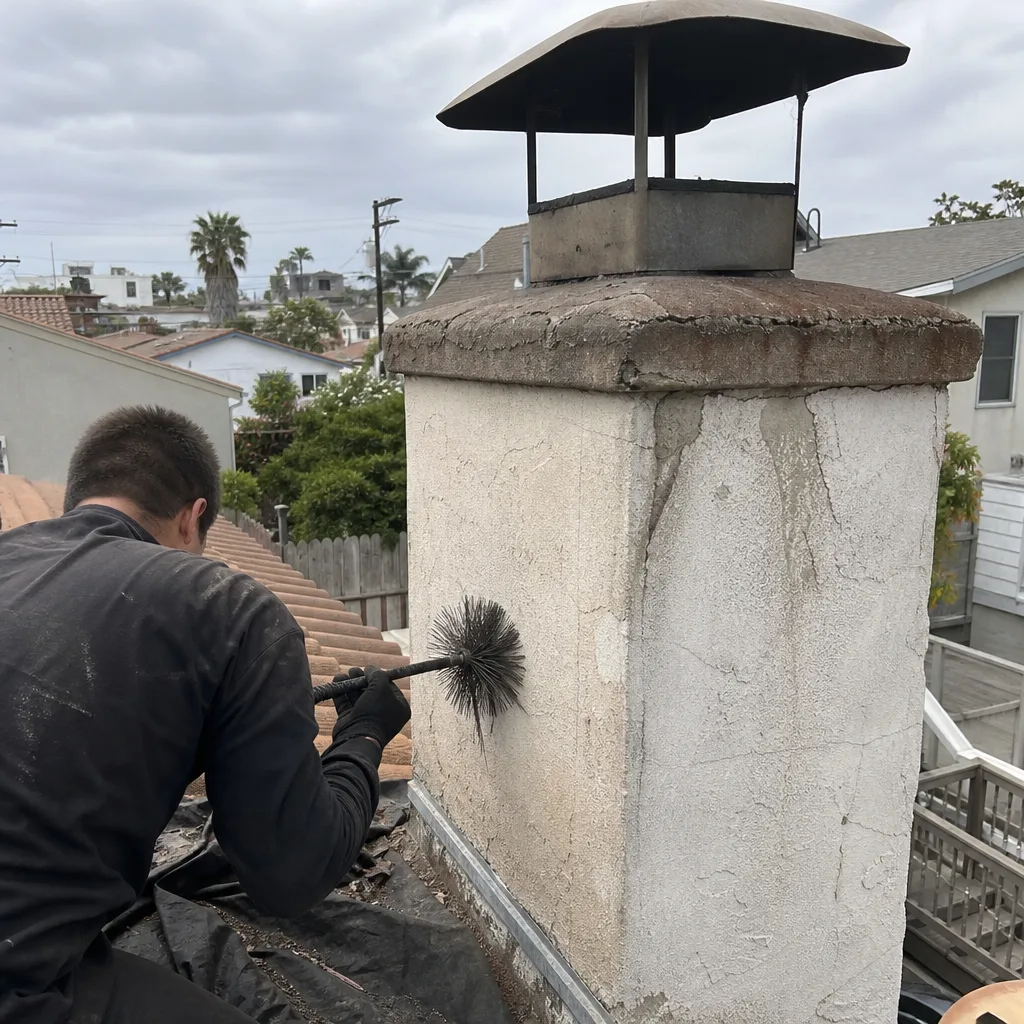
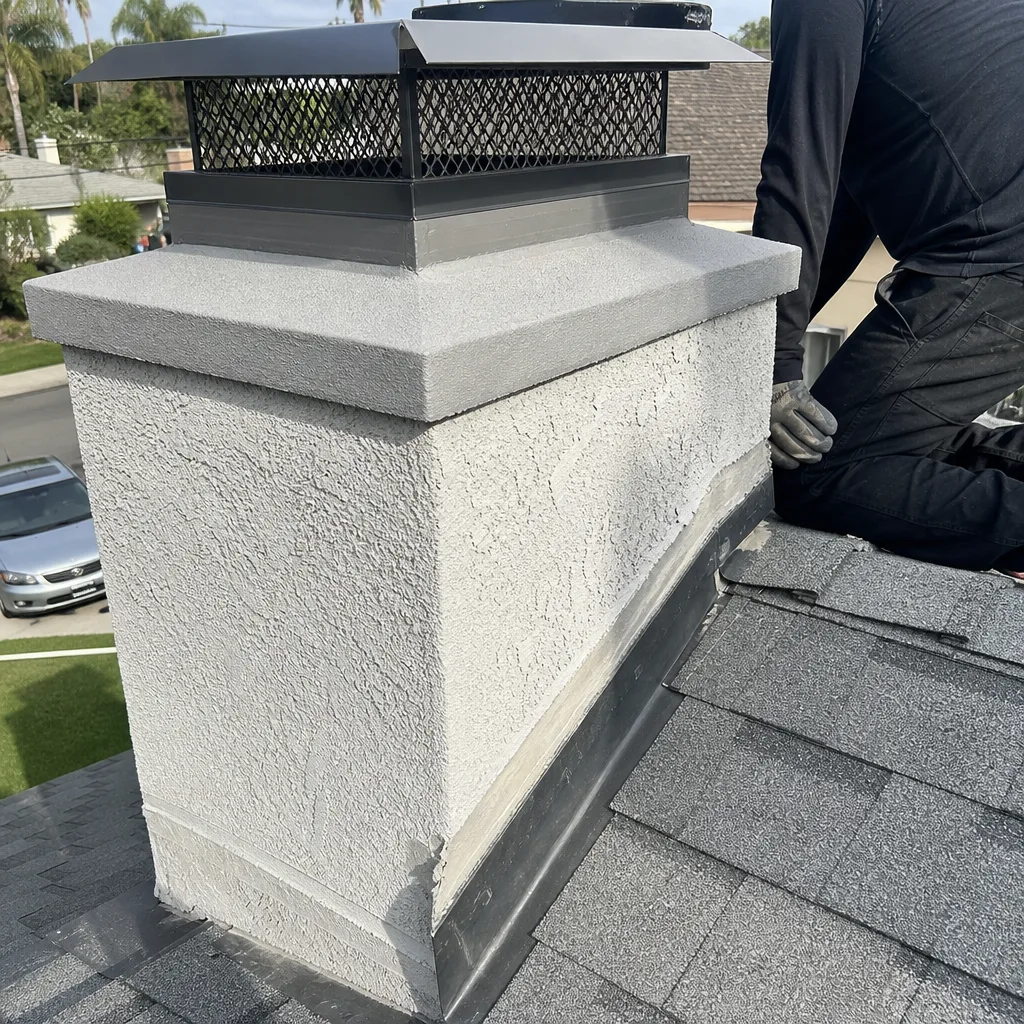
Crown cracks on top of the chimney are a different beast. The crown is the concrete slab that caps the masonry and directs water away from the flue. Crowns crack from thermal cycling, and once a crack opens, water follows it down into the chimney structure. Small hairline cracks can be sealed. A crown with wide cracks or one that has begun to crumble needs replacement or recasting. This is the single most common entry point for the water that eventually rots out the damper assembly, rusts the flue liner, and causes the musty summer odors described above.
Flue tile cracks are the one you can’t see from outside. Clay flue tiles crack from thermal shock, especially in chimneys that have experienced a chimney fire or years of hot fires followed by coastal fog cooling. Cracked flue tiles create gaps through which heat, gases, and embers can reach combustible framing. A standard visual inspection from the bottom will miss these cracks if they’re higher up the flue. This is where a camera inspection is the only honest answer. When we find flue tile damage in Pacific Beach homes, we discuss options that range from HeatShield resurfacing to a DuraFlex liner installation, depending on the extent of the damage. Both are repair paths that restore the flue’s integrity without necessarily requiring a full teardown.
Water in the Firebox: Tracing the Leak Path
Water showing up in the firebox after rain is a sign that the chimney’s water management system has failed somewhere above. The fix depends entirely on where the water is entering, and guesswork here gets expensive fast.
The three main leak paths, in order of how often we find them in Pacific Beach:
One leak pattern worth noting: water that appears in the firebox only after wind-driven rain, not after every storm, is usually entering through the cap or the upper masonry rather than the flashing. The angle of the rain matters. If you only see water when the storm blows from the west, the entry point is likely on that side of the chimney. This kind of detail helps your sweep diagnose the issue faster.
DIY Inspection: What You Can See From the Firebox vs. What Requires a Camera
There’s a useful DIY inspection anyone can do with a flashlight and a little patience. It tells you whether you need to call a professional and what to tell them when you do. But it has hard limits, and knowing those limits prevents the false confidence that leads to missed problems.
What you can see from the firebox opening
What you cannot see, and why it matters
A DIY inspection is a good pre-call step, but it’s not a replacement for a professional evaluation, as covered in our Choosing the Right Chimney Cleaning Brand: A Buyer’s Guide for Pacific Beach. When you call a chimney service in Pacific Beach, ask whether the standard sweep includes a camera inspection. If it doesn’t, you’re paying for a cleaning without ever seeing the condition of the flue that actually carries the heat and gases. That’s the part of the system that matters most for safety.
Dryer Vent Problems: The Fire Risk Most Chimney Companies Skip
Your chimney isn’t the only exhaust system in the house, and in terms of raw fire statistics, the dryer vent is the more dangerous one. Lint accumulating inside the dryer exhaust pipe restricts airflow, causes the dryer to overheat, and can ignite the lint itself. Dryer vent buildup is one of the most common, and preventable, causes of residential fires.
The signs of a restricted dryer vent are straightforward: clothes take multiple cycles to dry, the dryer exterior gets unusually hot, lint accumulates around the exterior vent opening, and the laundry room fills with humid air during a cycle. If you’re noticing any of these, the vent likely has a lint clog somewhere along its run. Most dryer vents in Pacific Beach homes run through walls or crawlspaces and exit at the roofline or a side wall. The accessible portion from the back of the dryer is only a fraction of the total pipe length. The clog is usually deeper in the run.
This matters to chimney service because many chimney companies don’t do dryer vent cleaning at all. They’ll clean your fireplace and leave the second-largest exhaust fire risk in your house untouched. A full-service chimney and ventilation contractor should be able to handle both in the same visit. If you’re already scheduling an annual sweep, adding a dryer vent cleaning to the same appointment is simple and significantly reduces the home’s overall fire risk. Ask your provider whether they do the work in-house or subcontract it. If they don’t do it at all, that’s a gap worth noting.
Common Mistakes to Avoid
- Opening a window to “help” the draft before checking the damper. If the damper is stuck closed, no amount of airflow manipulation will fix the issue. You’ll mask the symptom temporarily and delay the actual repair.
- Hanging a deodorizer in the fireplace to mask summer odors. Deodorizers cover the smell without removing the moisture source. The underlying issue, usually a damaged crown or chase cover, continues to worsen silently.
- Using a standard wire brush on stage 2 creosote. The brush glides over tar-like deposits and leaves the fire hazard in place. You think the chimney is clean when it isn’t. This may be the most dangerous mistake on this list.
- Assuming a top-sealing damper or cap means the chimney is watertight. A top-sealing damper keeps air out but does not replace the crown or flashing. Water can still enter through cracked concrete or failed flashing and cause the same damage.
- Ignoring slow-draw issues because the fire “eventually” gets going. A fire that draws poorly for the first ten minutes is often a warning sign of a developing restriction. Waiting until the draw fails completely is how small problems become chimney fires.
- Pointing or patching spalled brick without fixing the moisture entry. The new mortar pops out within a season because water keeps getting into the brick. You pay for the same repair twice.
- Cleaning the chimney but skipping the dryer vent. It’s the same exhaust system concept, the same fire risk, and the same contractor should be able to handle both. Most can’t. Ask before you book.
See the difference
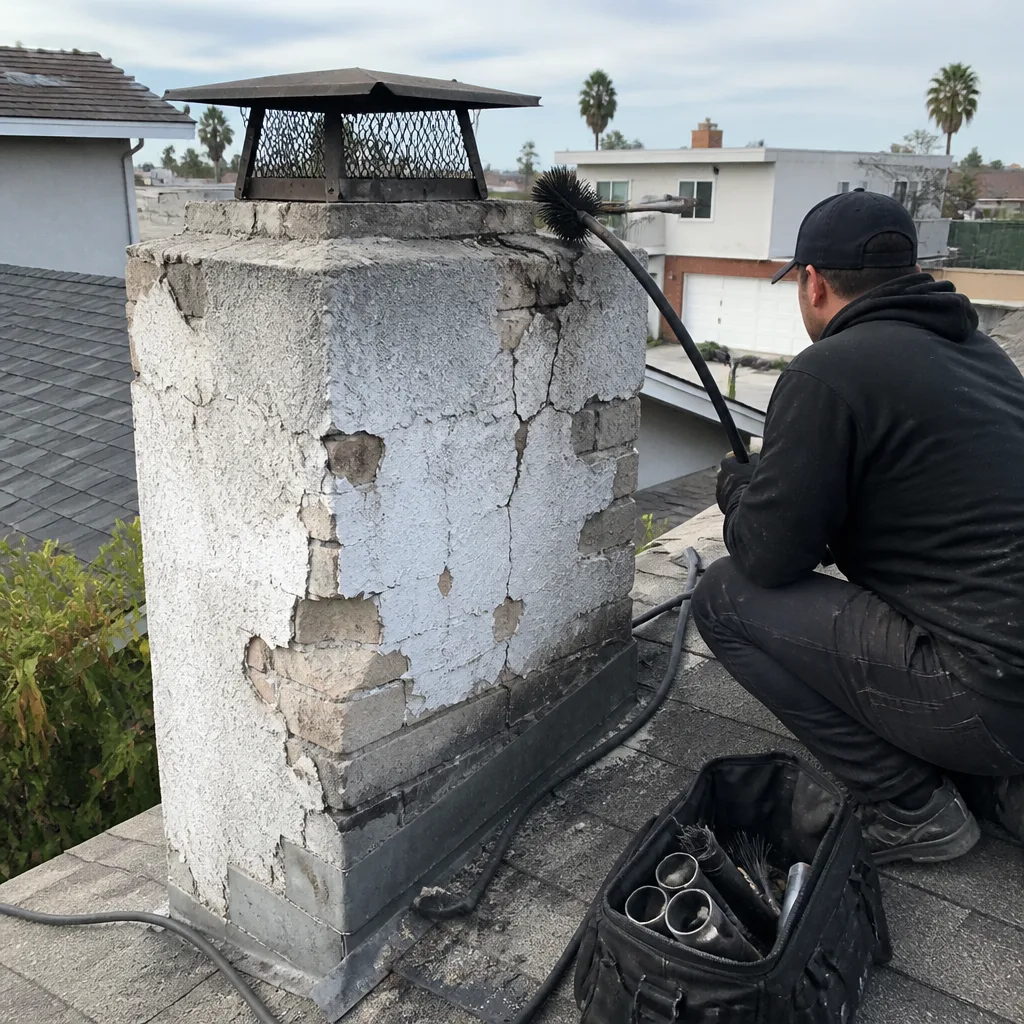 Before
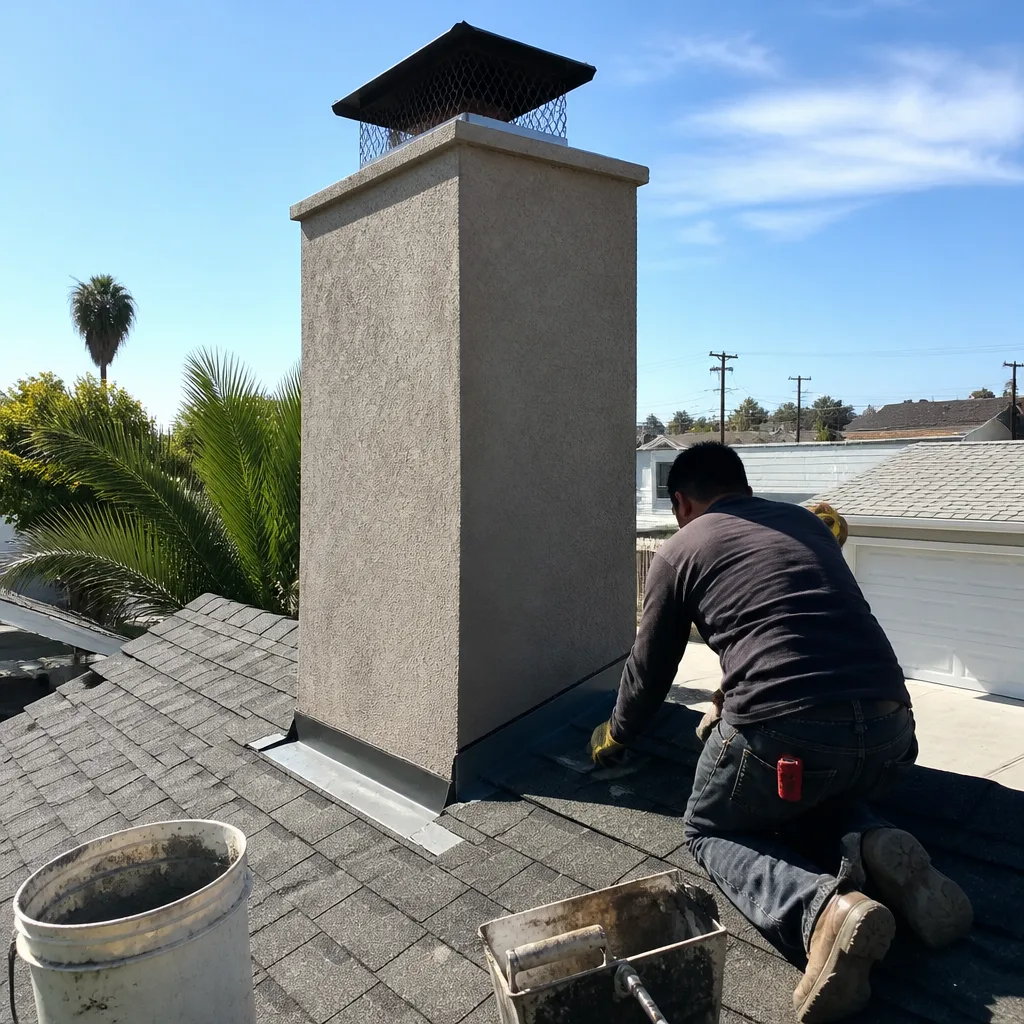 After
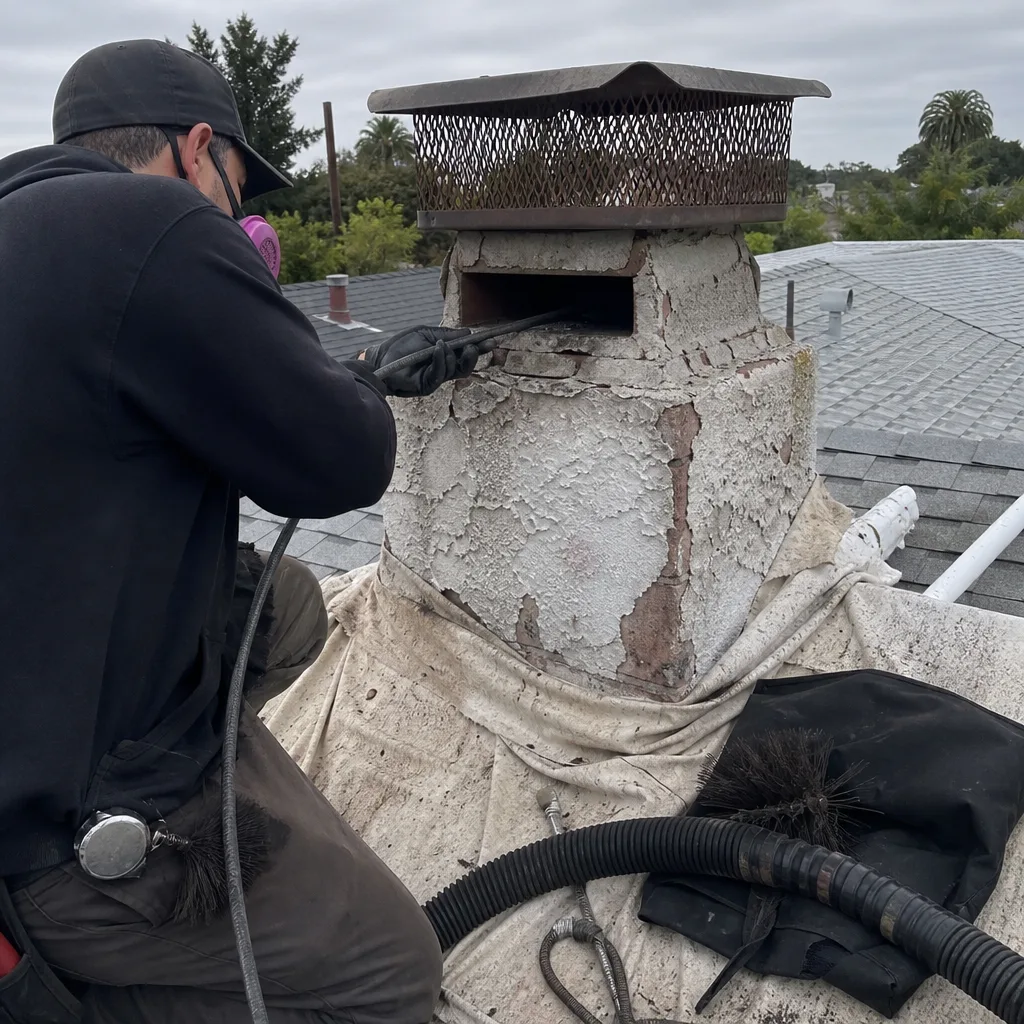 Before
 After
 Before
 After
When to Call a Professional
You need a professional when the symptom points to a mechanical or structural cause that you cannot safely access or verify. That includes a stuck or warped damper plate, any smoke backdraft that doesn’t resolve when you open a window, water in the firebox after rain, visible flaking creosote in the visible flue section, or any sign of stage 2 creosote glaze. You also need a professional whenever the problem is above the roofline. Crown repair, flashing replacement, cap installation, and flue inspection all require roof access and the right equipment. The distinction is simple: from the firebox, you can see enough to know something is wrong. You can’t see enough to know exactly what it is. Chimney Sweep Pacific Beach offers free estimates in Pacific Beach. Call (866) 282-7711 to schedule a sweep with camera inspection and get a straight answer on what your chimney actually needs.
Frequently Asked Questions
A standard chimney sweep typically runs between $150 and $300 for a single fireplace, though the exact price depends on the chimney’s height, accessibility, and the level of creosote buildup present. A sweep that includes a camera inspection may cost slightly more but is usually worth the difference, since the camera reveals issues that a brush alone will never catch. Call (866) 282-7711 for an exact quote. Chimney Sweep in Pacific Beach pricing reflects the level of buildup we find, not a flat charge that ignores what’s actually in your flue.
The National Fire Protection Association recommends a chimney sweep at least once a year, and more often if you burn frequently or burn unseasoned wood. In Pacific Beach’s coastal climate, an annual sweep in early fall, before the burning season starts, also gives you a chance to catch moisture intrusion from the previous winter’s storms. If you burn three or more cords of wood per season, two sweeps a year is a safer schedule.
Not necessarily. A cracked or deteriorated clay liner can sometimes be repaired with HeatShield resurfacing, which restores the flue’s interior surface without a full liner replacement. In cases where the damage is extensive or the chimney is being converted to a heating appliance, a DuraFlex flexible liner installation is the conventional fix. The only way to know which path applies is a camera inspection of the flue. We won’t recommend either option without showing you the footage first. Call (866) 282-7711 for an evaluation.
Summer chimney odors are caused by creosote absorbing humidity from coastal air and releasing trapped smoke compounds, and the effect is stronger in Pacific Beach because of the marine layer. If cleaning the chimney doesn’t stop the smell permanently, the real issue is moisture entering through a cracked crown, rusted chase cover, or missing cap. Fix the moisture source and the odor stops. Chimney Repair in Pacific Beach addresses the water-entry points that cause recurring summer smells.
Creosote accumulates over every burning season, and after two years of regular use, the buildup is often at stage 2, which standard brushing won’t remove. At that point, the risk of a chimney fire climbs significantly, and the cost of removal goes up. One missed year is usually recoverable. Two missed years can mean the difference between a standard sweep and a rotary cleaning plus possible liner repair. The honest answer is that skipping the sweep rarely saves money in the long run.
Yes, and this is the most efficient way to handle both exhaust systems. Dryer Vent Cleaning in Pacific Beach is done in-house, not subcontracted, so a single appointment covers the fireplace and the dryer exhaust. Most chimney companies don’t offer this, which leaves homeowners coordinating two separate contractors for two closely related fire-safety systems. One call covers your chimney sweep, any liner or masonry repair, and your dryer vent. No coordinating separate contractors.
The Bottom Line
Chimney problems follow repeatable patterns. The symptoms look different, but the root causes are consistent: damper failure, restricted airflow, moisture entry, and creosote at a stage that ordinary brushing won’t touch. The right fix depends on identifying which mechanism is actually at work, and that’s what separates a real diagnosis from guesswork. A camera inspection turns “your chimney probably needs cleaning” into “here is the exact condition of your flue, and here is what we recommend.” It’s the standard we hold ourselves to.
For homeowners in Pacific Beach, the practical takeaway is simple: catch these issues early, address moisture before it becomes structural, and don’t settle for a sweep that leaves the real problem untouched. If you need a straight answer about your chimney or dryer vent, call Chimney Sweep Pacific Beach home at (866) 282-7711 for a free estimate.
Written by the team at Chimney Sweep Pacific Beach, serving Pacific Beach since 2012.