
Last updated November 2, 2026
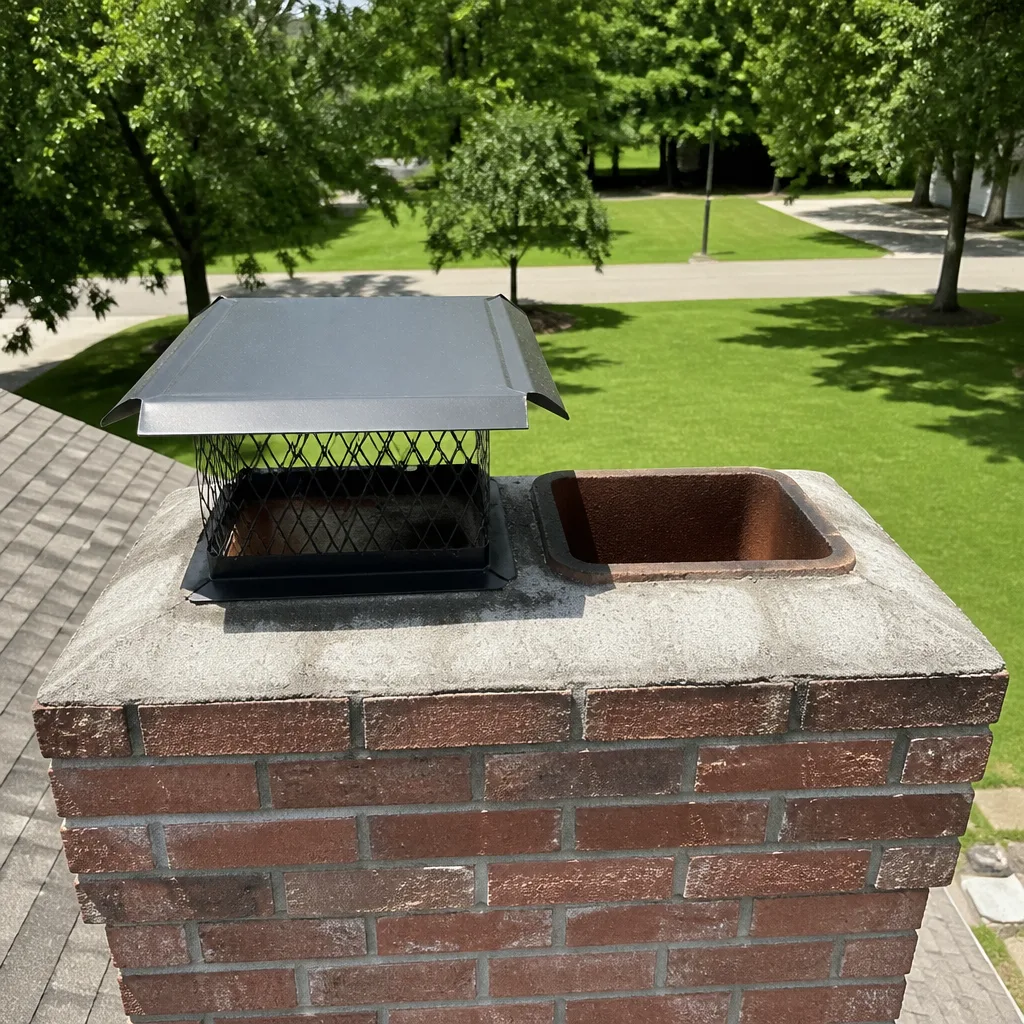 Sweep & inspection
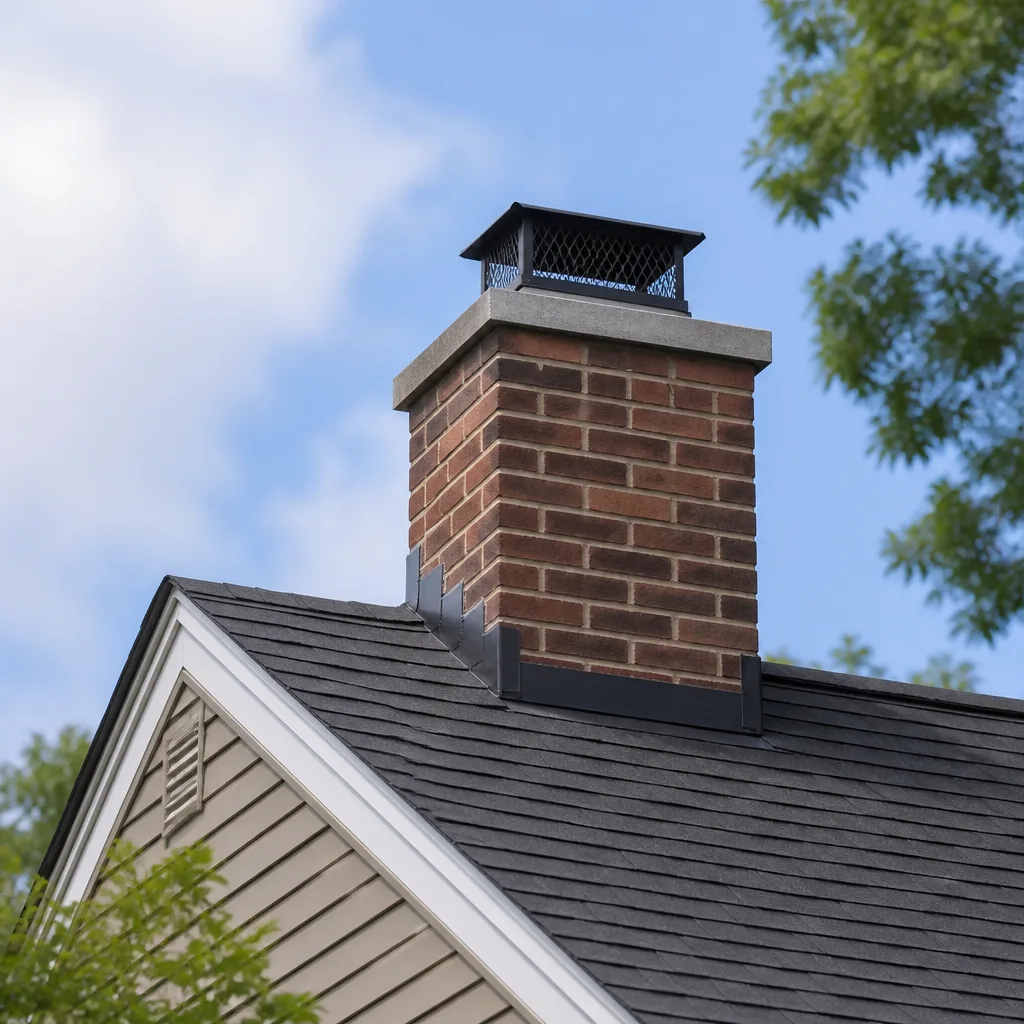 Caps & crowns
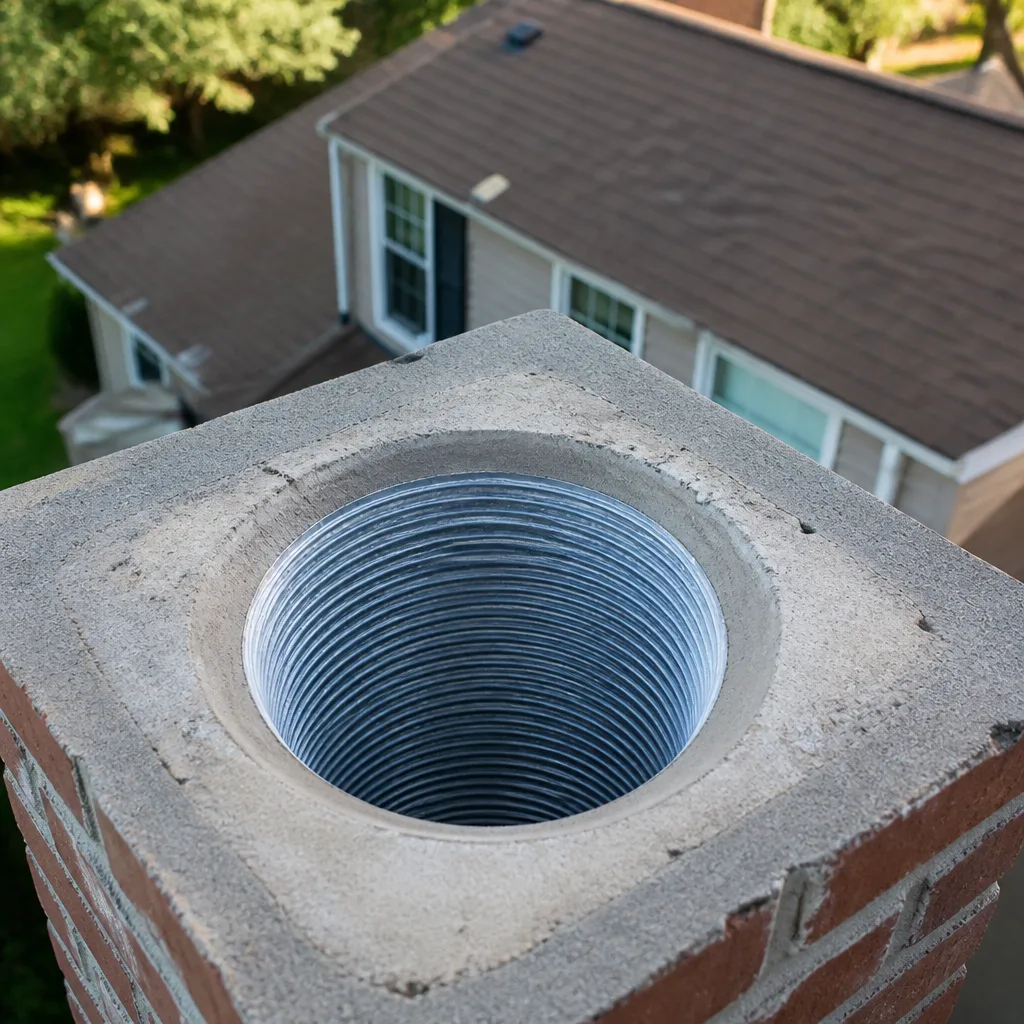 Flue relining
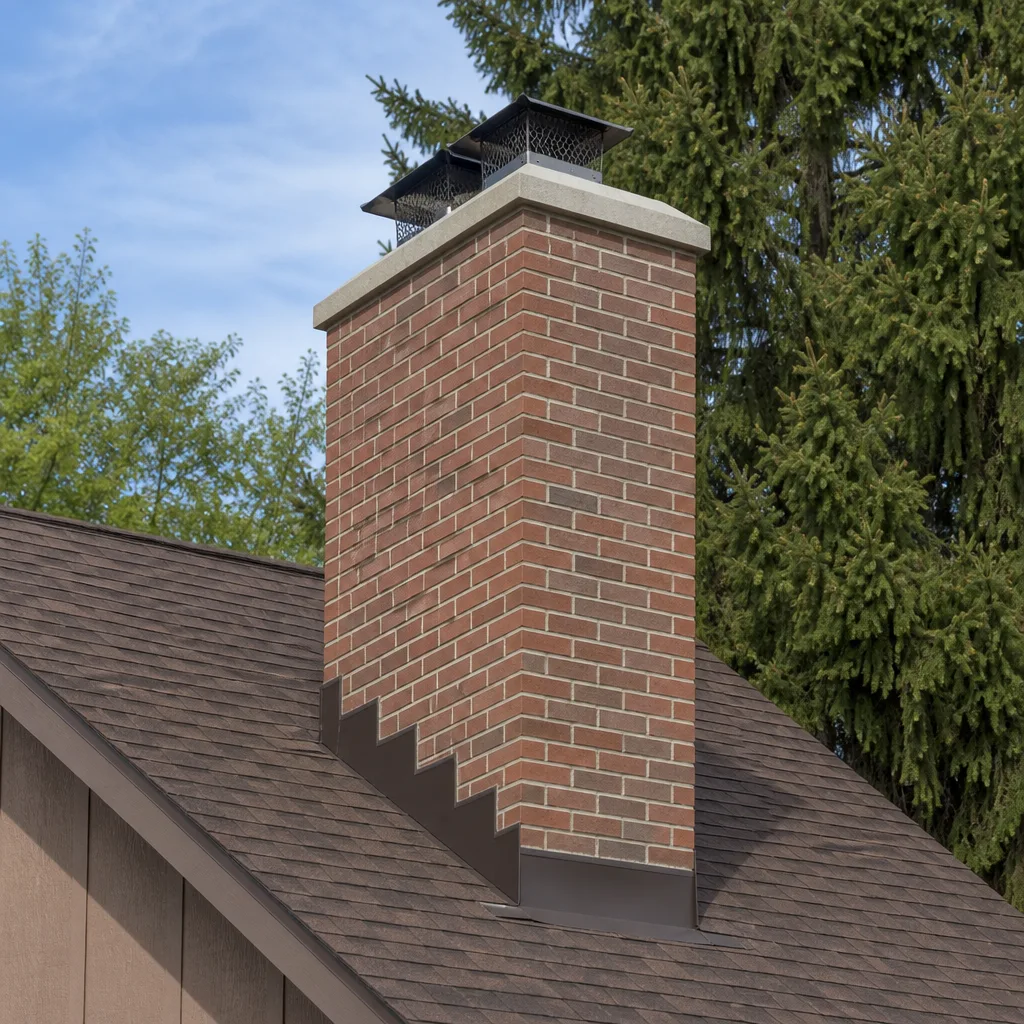 Masonry repair
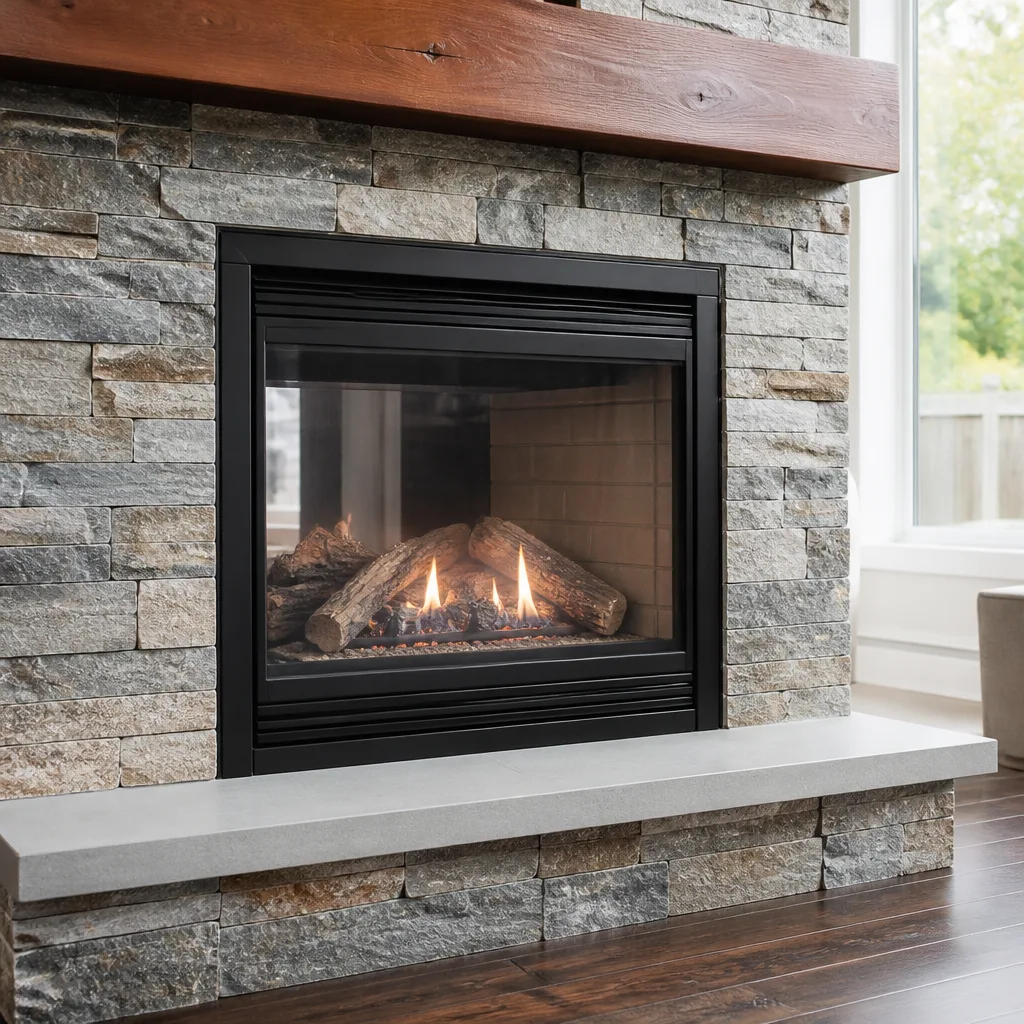 Gas fireplace service
Level 1 sweep and inspection to the NFPA 211 annual standard - flue, crown, cap, and flashing checked and photographed
Chimney sweep logs do not sweep chimneys. They loosen some creosote - which then falls where a brush and vacuum still have to collect it.
How to Hire a Chimney Cleaning Contractor in Pacific Beach: A Step-by-Step Guide
California does not have a state licensing category for chimney sweeps. Anyone with a ladder, a brush, and a website can call themselves a chimney cleaning contractor in Pacific Beach, print business cards, and start knocking on doors. The California Contractors State License Board regulates general building contractors, but chimney sweeping exists in a gray zone that many handymen and HVAC companies exploit. This guide will walk you through exactly how to vet a chimney contractor before they touch your flue, what credentials actually matter, which questions expose unqualified operators, and what a legitimate written estimate should include. We’re writing this from inside the trade, in Pacific Beach, where salt air and coastal moisture create inspection priorities that generic checklists simply miss.
Styles & brands we work with
- Sweep & inspection
- Caps & crowns
- Flue relining
- Masonry repair
- Gas fireplace service
Quick Answer
To hire a chimney cleaning contractor in Pacific Beach, you should verify CSIA certification through the public registry, confirm the contractor carries liability insurance that covers fire-related structural damage, and ask for a written estimate that itemizes the scope of work before any service begins. A qualified contractor will inspect the flue with a camera, discuss moisture and salt-air corrosion specific to coastal San Diego, and use professional rotary cleaning systems rather than a hardware-store brush. The entire vetting process takes about 20 minutes and separates trade professionals from opportunistic operators.
Table of Contents
- Why Credentials Matter More in California Than Almost Anywhere Else
- What CSIA Certification Actually Requires and How to Verify It
- Why General Liability Insurance Isn’t Enough for Chimney Work
- How to Evaluate a Written Estimate: Line Items, Vague Language, and Scope Creep
- Questions to Ask About Equipment: Rotary Systems, Cameras, and HEPA Vacuums
- Red Flags Specific to Pacific Beach: Moisture, Salt Air, and Coastal Corrosion
- Common Mistakes to Avoid
- When to Call a Professional
- Frequently Asked Questions
- The Bottom Line
Why Credentials Matter More in California Than Almost Anywhere Else
In most states, chimney sweeps fall under a broader contractor licensing umbrella. Massachusetts requires a construction supervisor license for chimney work. Oregon has a specific chimney sweep certification pathway. California does neither. The state’s contractor license board has no chimney sweep classification, no chimney inspector classification, and no examination specific to flue systems or ventilation. A licensed general contractor in Pacific Beach can legally advertise chimney cleaning as an add-on service without ever having pulled a flue liner, inspected a smoke chamber, or identified a creosote glaze stage.
That regulatory gap puts the entire burden of qualification on the homeowner. You cannot assume a contractor who lists “chimney cleaning” on their website knows how to do it safely or correctly. The Chimney Safety Institute of America (CSIA) exists precisely because of this gap. It’s a national credentialing body that tests technicians on fire codes, combustion dynamics, flue anatomy, and inspection standards. When a contractor carries CSIA certification, it means they passed a written exam, agreed to a code of ethics, and maintain continuing education credits. It is not a government license, but it is the closest thing the chimney industry has to one.
In Pacific Beach specifically, we see a regular pattern. A homeowner books a chimney cleaning through a handyman platform, the handyman shows up with a brush from a big-box store, runs it up the flue once, vacuums the firebox with a shop-vac, and charges $99. The homeowner thinks the chimney is clean. It isn’t. The smoke chamber above the damper was never touched. The flue liner wasn’t inspected. The chimney crown wasn’t checked for the hairline cracks that Pacific Beach’s coastal moisture cycle makes worse every season. Six months later, water is staining the ceiling around the chimney chase, and the homeowner has no idea the two events are connected.
We’re not saying every handyman is unqualified. We’re saying the system in California lets unqualified people operate without consequence, and the only defense is knowing what to check before you hire. This guide is that checklist.
What CSIA Certification Actually Requires and How to Verify It
CSIA certification is not a weekend seminar. Candidates must pass a two-part exam covering the National Fire Protection Association’s NFPA 211 standard, which governs chimneys, fireplaces, and venting systems. The exam tests knowledge of flue anatomy, clearance requirements, creosote classification, combustion air standards, and inspection protocols for both masonry and factory-built systems. Technicians must also complete education on dryer vent systems, because the CSIA treats dryer exhaust as part of the residential ventilation picture.
Certification is maintained through continuing education. A CSIA-certified technician logs training hours every three years to keep the credential active. This matters because building codes and material standards change. A contractor who got certified in 2008 and never renewed is not current on the 2019 updates to NFPA 211, which tightened inspection requirements for chimney liners.
How to Verify a Technician’s CSIA Status Right Now
- Go to the CSIA public registry. The CSIA maintains a searchable online directory of certified technicians. It is free and does not require an account.
- Search by company name and by individual technician name. A company can advertise CSIA certification, but the credential belongs to an individual. If the company cannot name the certified technician who will be doing the work, ask why.
- Check the certification expiration date. Credentials lapse. A technician whose certification expired in 2021 is not certified, no matter what the website says.
- Ask for the technician’s CSIA number. Certified sweeps are issued an identification number. You can cross-reference that number on the registry.
In Pacific Beach, some of the largest chimney advertising spenders are not CSIA-certified at all. They are marketing companies that subcontract the work to whoever answers the dispatch call. You have every right to ask who specifically will stand in your living room, and what their individual credential is. If the answer is unclear, that’s your answer.
We carry our certification conspicuously because we know that in California, it is the only independent verification a homeowner can check before we arrive. If you are comparing contractors and one of them says “we’re certified” but cannot produce a verifiable technician name, move on. The credential exists to be checked, not claimed.
Why General Liability Insurance Isn’t Enough for Chimney Work
Almost every contractor carries general liability insurance. It covers basic property damage and bodily injury. What it does not automatically cover is fire-related structural damage resulting from chimney service. If a contractor fails to remove sufficient creosote and a chimney fire damages the flue, smoke chamber, or surrounding framing, standard liability policies often exclude fire damage arising from the contractor’s own work. The homeowner is left negotiating with their own insurer, which will frequently deny the claim because the damage resulted from improper maintenance performed by a third party.
This is not theoretical. The National Fire Protection Association reports that chimney fires account for roughly 15,000 residential structure fires per year in the United States. The majority occur in homes where the chimney was either never cleaned or was cleaned by someone who did not remove creosote from the full height of the system. The smoke chamber above the damper is the most common missed area. Standard liability policies written for general handyman work often do not contemplate the specific risk profile of chimney service, which is why the CSIA recommends that chimney contractors carry coverage explicitly addressing fire-related structural damage.
What to Ask About Insurance Before Hiring
- “Does your liability policy cover fire-related structural damage caused by chimney service?” The contractor should be able to answer yes without hesitation. If they pause, hedge, or say “we’ve never had a claim,” ask for the policy declaration page.
- “Can you provide a certificate of insurance naming me as an additional insured for the date of service?” This is standard practice for legitimate trade contractors. It costs the contractor nothing and protects you if a claim arises.
- “What are your policy limits?” A handyman carrying $100,000 in liability coverage cannot absorb the cost of a chimney fire that damages structural framing. Professional chimney contractors typically carry $1 million or more.
In Pacific Beach, where many homes date to the 1950s and 1960s and have original masonry chimneys, the stakes are higher than in newer developments with factory-built fireplaces. An older chimney with a clay tile liner that has been through decades of coastal temperature swings and salt-laden air is a different risk profile than a 2015 prefab unit. Insurance coverage that was adequate for interior painting work is not adequate for cleaning a 1962 masonry chimney that has never had a camera inspection.
We name our materials, and we’re glad to discuss coverage. When a contractor is transparent about what their insurance does and does not cover, it signals they’ve thought through the risk of their own trade. That is exactly the kind of operator you want.
How to Evaluate a Written Estimate: Line Items, Vague Language, and Scope Creep
A legitimate chimney cleaning estimate in Pacific Beach should read like a scope of work, not a price tag. The difference matters. A contractor who hands you a one-line quote that says “chimney sweep – $149” has not told you what they will actually do. A professional estimate itemizes the system, the access method, the inspection points, and what is excluded. If the scope is vague, the work will be vague, and the upselling will begin the moment the technician steps off the ladder.
Line Items That Should Appear on a Chimney Cleaning Estimate
- Firebox cleaning: Removal of ash, debris, and soot from the firebox floor and walls.
- Smoke chamber cleaning: The area above the damper where creosote accumulates most heavily. Many low-cost sweeps skip this because it requires specialized brushes.
- Flue cleaning, full height: Mechanical or rotary brushing of the entire flue liner from firebox to termination.
- Damper inspection: Verify the damper opens, closes, and seals correctly.
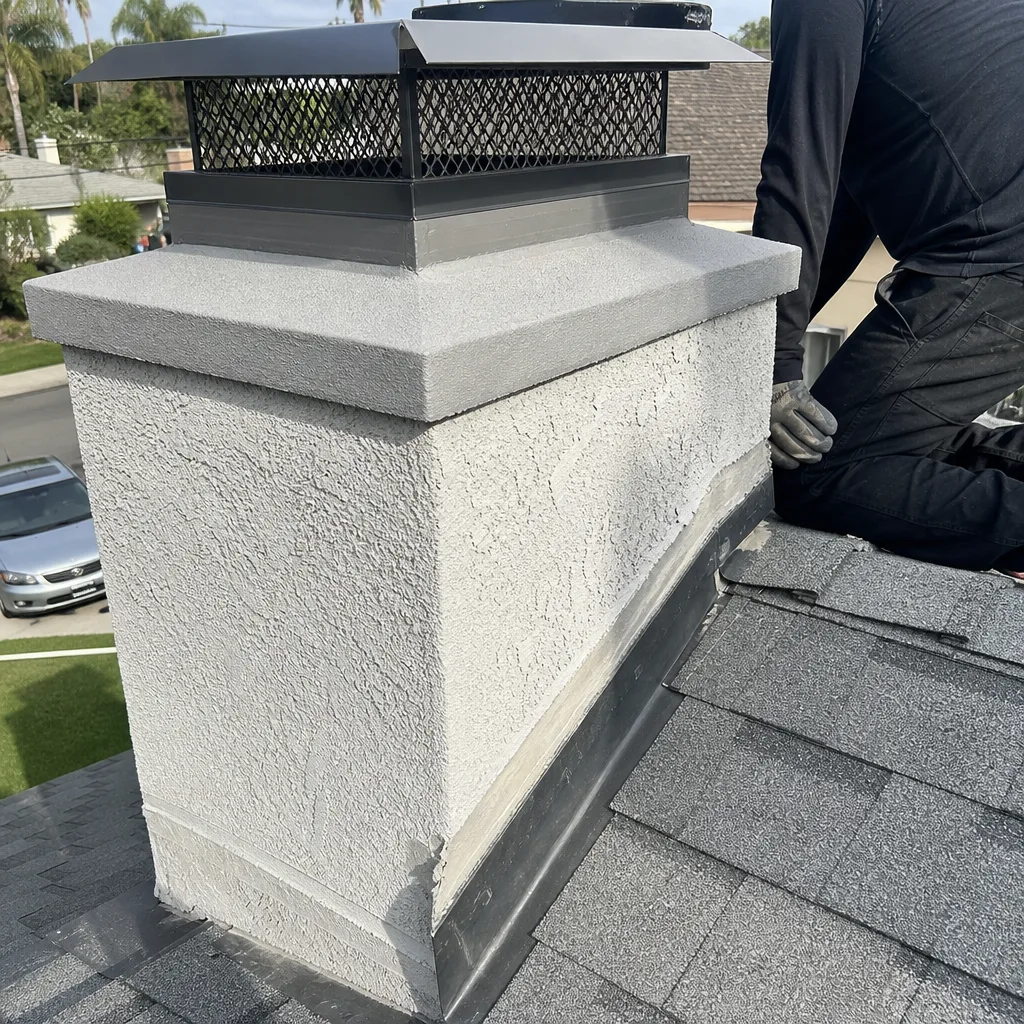
- Chimney cap inspection: Check the existing cap for rust, debris blockage, or missing spark arrestor mesh.
- Visual inspection of the exterior chimney structure: Brick condition, mortar joints, crown condition.
- Camera inspection (optional but recommended): Pre- or post-sweep interior video of the flue. On homes in Pacific Beach older than 25 years, we recommend it every time.
Vague Language That Signals a Problem
- “Complete chimney service” – What does complete mean? Which components?
- “Standard cleaning” – There is no industry standard called “standard cleaning.” The CSIA recognizes Level 1, Level 2, and Level 3 inspections. Ask which level they’re performing.
- “Clean and inspect as needed” – As needed by whose judgment? The contractor who benefits from finding expensive repairs?
- “Additional charges may apply” – This is the booking page equivalent of “we’ll figure it out later.” A professional estimate defines what additional charges apply and at what rates.
What Scope Creep Looks Like in Practice
Scope creep happens when a technician arrives for a $149 sweep and discovers “critical” issues that require immediate repair. Sometimes those issues are real and the contractor is genuinely protecting you. Sometimes the contractor is inventing urgency to sell liner work you don’t need. The difference is whether the contractor can show you the problem.
A professional contractor, in our view, will not recommend a liner repair, a crown rebuild, or a damper replacement without camera evidence you can see with your own eyes. We use camera inspection as a standard part of our Chimney Sweep in Pacific Beach service because we want you to see exactly what we see. If a contractor tells you the liner is cracked but cannot show you the crack on video, get a second opinion before you spend thousands of dollars. The same applies to HeatShield resurfacing recommendations. HeatShield can add years to a compromised liner without a full replacement, but it should only be recommended based on documented flue deterioration, not a technician’s assertion.
Ask for a written estimate before any repair work is authorized, with the scope defined in writing. If the contractor will not put the recommendation in writing before you commit, that is not a contractor you want on your roof.
Questions to Ask About Equipment: Rotary Systems, Cameras, and HEPA Vacuums
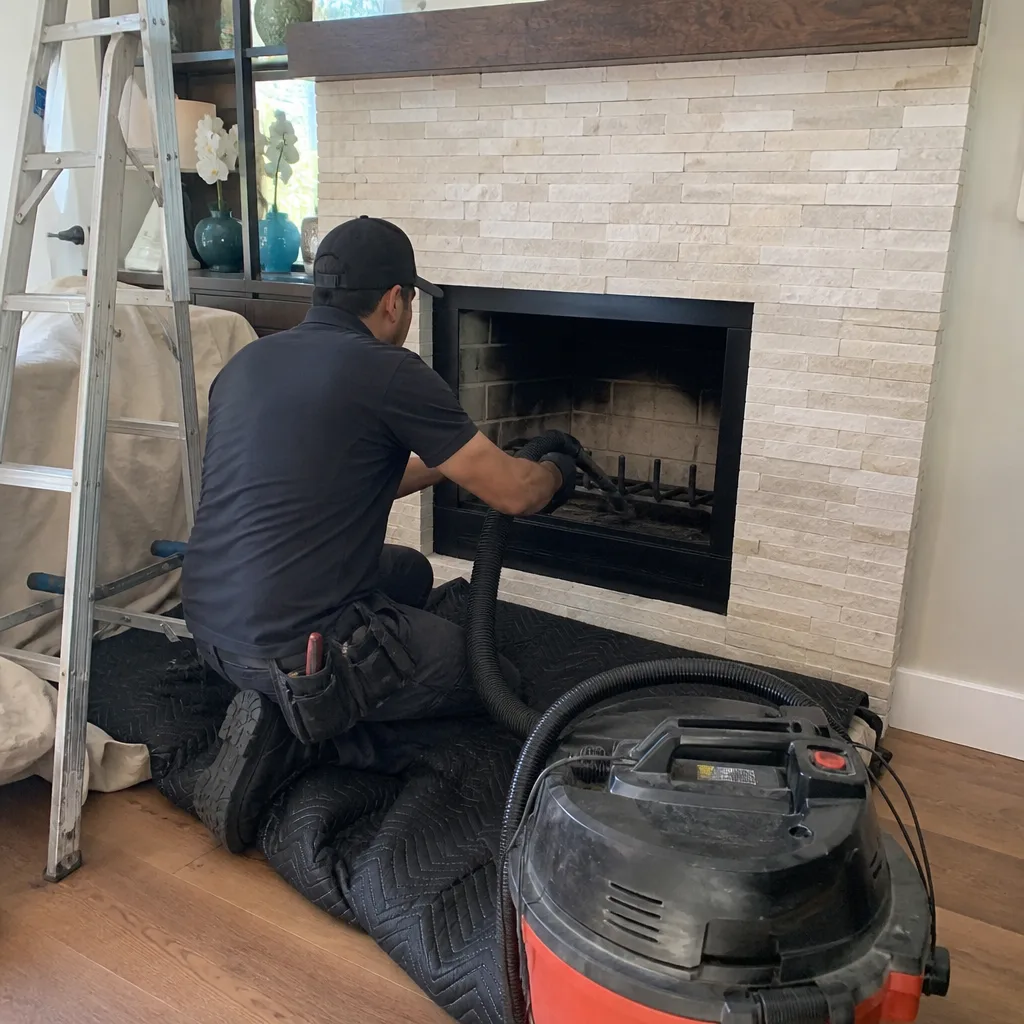
The equipment a contractor brings tells you more about their approach than any sales pitch. A chimney cleaning outfit in Pacific Beach that shows up with a fiberglass rod brush and a shop-vac is offering a fundamentally different service than a contractor who arrives with a rotary cleaning system, a camera, and a HEPA-filtered vacuum. Both will claim to “clean your chimney.” Only one is actually cleaning the full system.
Rotary Cleaning Systems vs. Brush-and-Rod
A traditional rod brush does remove loose creosote from the flue walls. What it does not do well is remove glazed creosote, which is the tar-like, baked-on form of creosote that poses the most significant fire risk. Glazed creosote requires mechanical removal with rotary chains or specialized abrasives. A contractor who only carries rods and brushes will either skip the glazed creosote entirely or tell you the chimney “needs a liner” when what it actually needs is a proper mechanical cleaning. In Pacific Beach, where many chimneys are used seasonally and the coastal humidity accelerates creosote hardening between fires, glazed creosote is common. Ask the contractor directly: “Do you use a rotary cleaning system, and can you remove glazed creosote without recommending a liner replacement first?”
Camera Inspection Capability
A camera inspection is the only way to see the interior of the flue liner along its full vertical run. The flue is a vertical shaft that no one can see into from the top or the bottom. Without a camera, the contractor is making judgments based on what the brush scrapes loose and what they can see from the roof. That is not inspection; that’s guesswork. We include camera inspection in our service because it is the difference between telling you what we think and showing you what we found. If a contractor does not own a camera or charges extra to use one, what are they actually inspecting?
HEPA-Filtered Vacuums vs. Shop-Vacs
A standard shop-vac releases fine particulate back into the air through its exhaust port. That particulate includes creosote dust, soot, and whatever else was living in your chimney. Your living room becomes the filter. HEPA-filtered vacuums capture particles down to 0.3 microns, which matters if anyone in the household has asthma, allergies, or respiratory sensitivity. A professional chimney contractor in Pacific Beach should bring a HEPA-equipped vacuum as standard equipment. If the contractor plans to use your household vacuum, end the conversation.
The equipment questions are not about being difficult. They are about understanding whether the contractor has invested in the tools required to do the job correctly. Professional equipment costs thousands of dollars. A contractor who has made that investment is serious about chimney work. A contractor using hardware-store equipment is pricing a service they cannot fully deliver.
Red Flags Specific to Pacific Beach: Moisture, Salt Air, and Coastal Corrosion
Pacific Beach has a specific environmental profile that changes how chimneys age and fail. The air carries salt from the ocean, the humidity cycles daily, and marine fog rolls in during the summer months. These conditions affect chimney systems in ways that inland contractors, running a generic checklist from a corporate playbook, simply do not address. When you are vetting contractors in Pacific Beach, watch for whether the conversation includes moisture.
Salt-Air Corrosion
Salt-laden air corrodes metal components faster in Pacific Beach than in La Mesa or El Cajon. Chimney caps, damper assemblies, and rain pans are all vulnerable. A contractor who has worked in Pacific Beach for any length of time knows to inspect the cap hardware for rust-through and the damper frame for corrosion that jams the mechanism. A contractor running a generic checklist checks that the cap “is present.” That is not the same thing. Ask: “What specific corrosion patterns do you look for on coastal chimneys?” If the answer is vague, you are talking to someone who is not familiar with the local failure modes.
Moisture Intrusion and Efflorescence
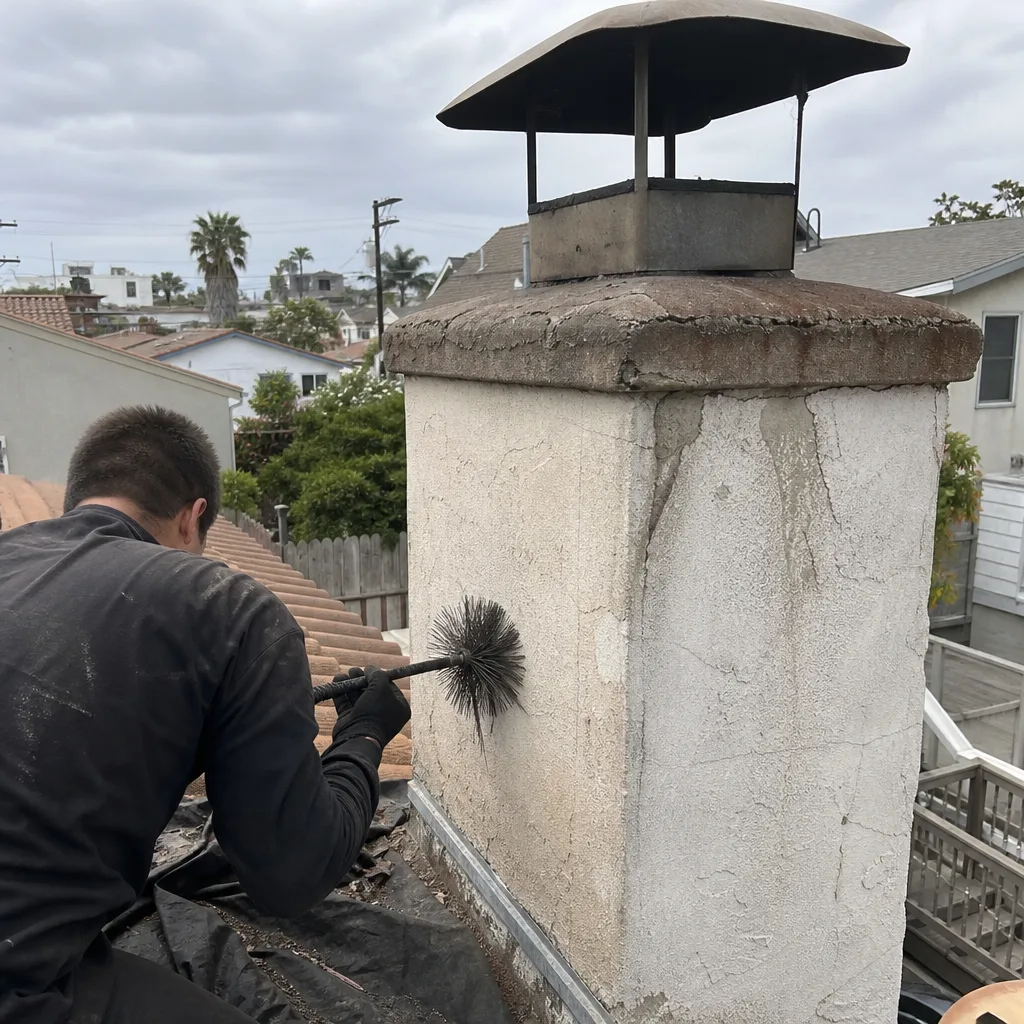
Brick chimneys in Pacific Beach absorb moisture from the marine layer. That moisture carries dissolved salts into the masonry. When the water evaporates, the salts crystallize beneath the surface, causing spalling, which is the flaking and crumbling of brick faces. You may have seen it as white, chalky staining on the exterior chimney. That is efflorescence, and it is a sign of ongoing moisture intrusion. A contractor who does not mention efflorescence on a Pacific Beach chimney, or who dismisses it as cosmetic, is not doing the job. Water intrusion is the leading cause of structural chimney deterioration in coastal San Diego, and it compounds every year it goes unaddressed.
Crown Deterioration from Coastal Weather Cycles
The chimney crown is the concrete slab at the top of a masonry chimney. In Pacific Beach, crowns crack because of the same wet-dry and thermal cycling that attacks brick. A hairline crack in the crown admits water that freezes and thaws in colder inland zones, but here it admits water that carries salt, and salt is a more patient destroyer than ice. A local contractor checks the crown with a level of scrutiny that inland contractors reserve for freeze-thaw climates. If your contractor’s entire exterior inspection is “looks good from the ground,” that’s a problem. They should be on the roof, looking at the crown from closer than 12 inches.
Local Knowledge Should Show Up in the Conversation
Vetting a chimney contractor in Pacific Beach should include asking whether they commonly work in the neighborhood’s older housing stock. Homes in the Crown Point and north Pacific Beach areas include masonry chimneys from the 1950s and 1960s. Those systems have different liner conditions, different mortar mixes, and different failure patterns than the newer construction further east. A contractor who works regularly in Pacific Beach will know this. A contractor who asks you “what part of town is that?” is telling you something about their experience without saying it outright.
We’ve spent years working on coastal San Diego chimneys, and we can say from direct experience that moisture is the topic most often missing from generic chimney assessments. If the contractor skips it, keep looking.
Common Mistakes to Avoid
- Hiring based on price alone. A $99 chimney sweep in Pacific Beach typically covers the firebox and the lower flue. The smoke chamber, full-height flue, cap, and crown remain untouched. You are paying for a cosmetic service that leaves the fire risk in place.
- Assuming a handyman platform vets its contractors. Most platforms verify identity and basic background, not trade qualifications. A five-star rating for hanging a ceiling fan does not qualify anyone to clean a flue system.
- Trusting the phrase “insured and bonded” without reading the policy. Bonded protects against theft and incomplete work, not fire damage. Ask specifically about fire-related structural damage coverage.
- Skipping the camera inspection to save $50. Without a camera, you lose the only objective record of your flue’s condition. When the next contractor finds a problem, you won’t know if it pre-dated the cleaning.
- Ignoring moisture signs on the exterior chimney. Efflorescence, spalling brick, and cracked crown mortar in Pacific Beach do not self-repair. Delaying the fix increases the eventual cost, sometimes tripling it.
- Not asking who will actually perform the work. A company with a polished website and a CSIA-certified owner may still dispatch an uncertified subcontractor. Ask for the technician’s name and verify it.
- Authorizing repair work during the initial visit without a written estimate. Legitimate contractors give you written scope and pricing before starting repairs. Anyone who pressures you to “sign today for a discount” is using urgency to short-circuit your judgment.
When to Call a Professional
Call a professional chimney contractor in Pacific Beach if you use your fireplace regularly and haven’t had a Level 2 inspection in the past two years. Call if you see white staining on the exterior brick, if the damper no longer opens smoothly, if you smell smoke in the house after a fire has burned out, or if you hear animals in the flue. Call if you’ve just purchased an older home and have no maintenance records for the chimney. And call if your dryer is taking longer than 40 minutes to dry a load; that is a vent airflow problem, which is a fire risk most chimney companies ignore but we address directly through our Dryer Vent Cleaning in Pacific Beach service.
Chimney Sweep Pacific Beach home offers free estimates throughout Pacific Beach. Call (866) 282-7711 to schedule. We’ll tell you plainly what your chimney needs, with camera evidence, and we’ll tell you just as plainly when work can safely wait.
Frequently Asked Questions
A professional chimney cleaning in Pacific Beach typically costs between $180 and $350 depending on the chimney’s condition, height, and whether glazed creosote requires rotary removal. For a detailed breakdown, see our Chimney Cleaning Cost Breakdown: The Pacific Beach Homeowner’s Reference for 2026. The lowest advertised prices usually exclude the smoke chamber, full-height flue brushing, and any inspection, so the service is incomplete. Our advice: ask what the price includes before comparing numbers.
A camera inspection is not an upsell; it’s the only way to see the interior of the flue liner, which is inaccessible to the naked eye. For any Pacific Beach chimney over 25 years old, or any chimney that has not been serviced in years, a camera inspection catches fire and moisture risks that a brush alone cannot detect. We consider it standard, not optional, on older systems.
The National Fire Protection Association recommends a chimney inspection at least once a year when the fireplace is in regular use, and cleaning whenever creosote buildup reaches 1/8 inch. In Pacific Beach, seasonal users who burn only in winter can often go two years between cleanings, but only if an annual inspection confirms low creosote accumulation. For year-round maintenance tips, read our Seasonal Chimney Cleaning Care for Pacific Beach: Year-Round Homeowner’s Guide.
Creosote builds up on the flue walls, and creosote is combustible. A chimney fire can occur when flue temperatures ignite the creosote, cracking the liner, breaching the flue, and exposing the home’s framing to flame. Even without a fire, neglected chimneys in Pacific Beach develop moisture intrusion that spalls brick and destroys mortar joints. The repair cost from skipping cleaning for years is routinely higher than a decade of annual sweeps.
Some can. A contractor with HeatShield capability can resurface a compromised liner with a ceramic coating that restores structural integrity without full replacement. A contractor with DuraFlex experience can install a full flexible liner system for fireplaces or heating appliance conversions. Ask specifically whether the contractor performs liner work in-house or only refers it out. We handle liner repair through our Chimney Repair in Pacific Beach service, with materials from trade brands including HeatShield, Gelco, and Olympia Chimney.
Most don’t. Dryer vent cleaning is a service we perform in-house because dryer exhaust is part of the same residential ventilation picture, and dryer vent fires are among the most preventable residential fires. If your chimney contractor refers dryer vent work to another company, you’re scheduling two appointments and paying two trip fees. One call to us covers both.
The Bottom Line
Hiring a chimney contractor in Pacific Beach requires checking credentials, insurance, equipment, and local knowledge because California’s licensing gaps let unqualified people operate freely. Verify CSIA certification through the public registry, demand insurance that covers fire-related structural damage, and insist on a written estimate before any work begins. A legitimate contractor will answer your questions directly, show you camera evidence for any repair recommendation, and address moisture and salt-air corrosion without prompting. Skip the $99 specials, skip the vague scopes, and skip any contractor who will not name the technician coming to your home. Call (866) 282-7711 for a free estimate and the professional assessment your chimney needs.
Written by the team at Chimney Sweep Pacific Beach, serving Pacific Beach since 2012.
See the difference
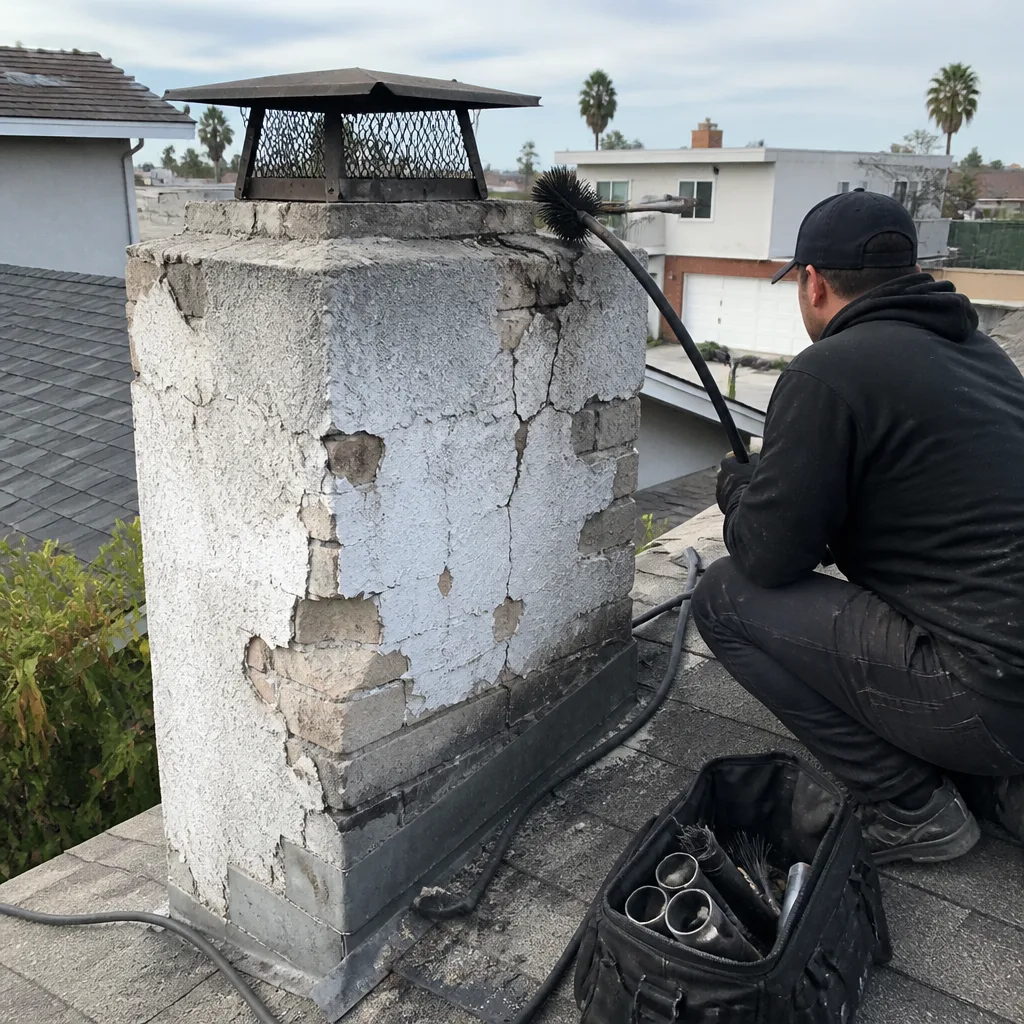 Before
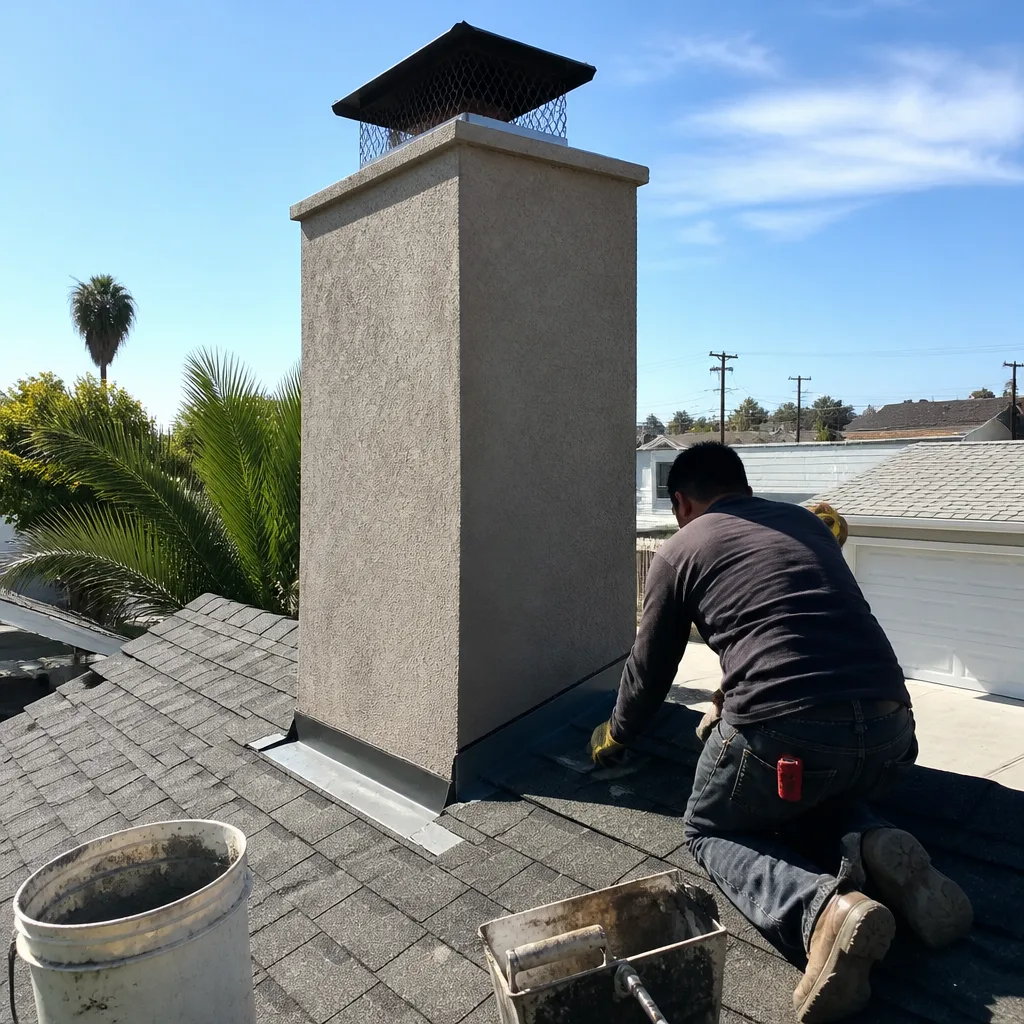 After
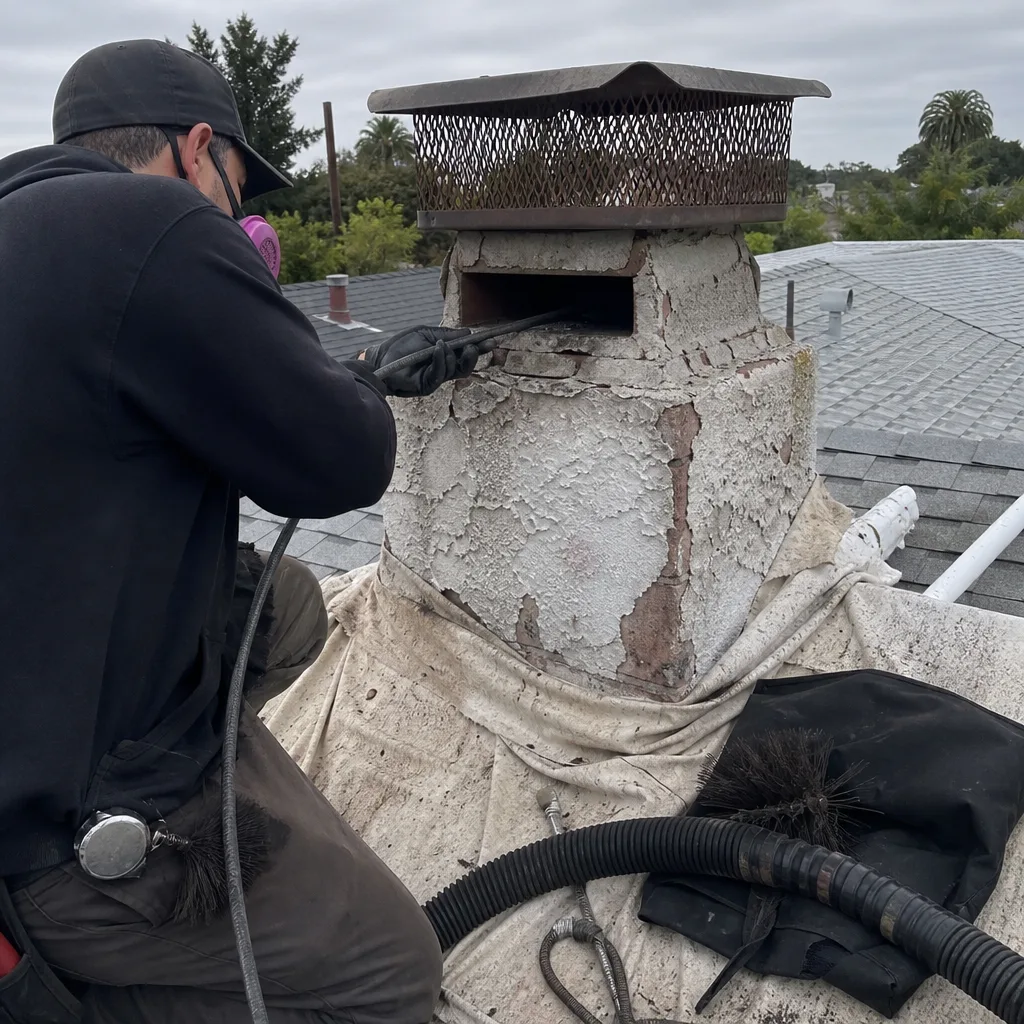 Before
 After
 Before
 After