
 Gas fireplace service
 Sweep & inspection
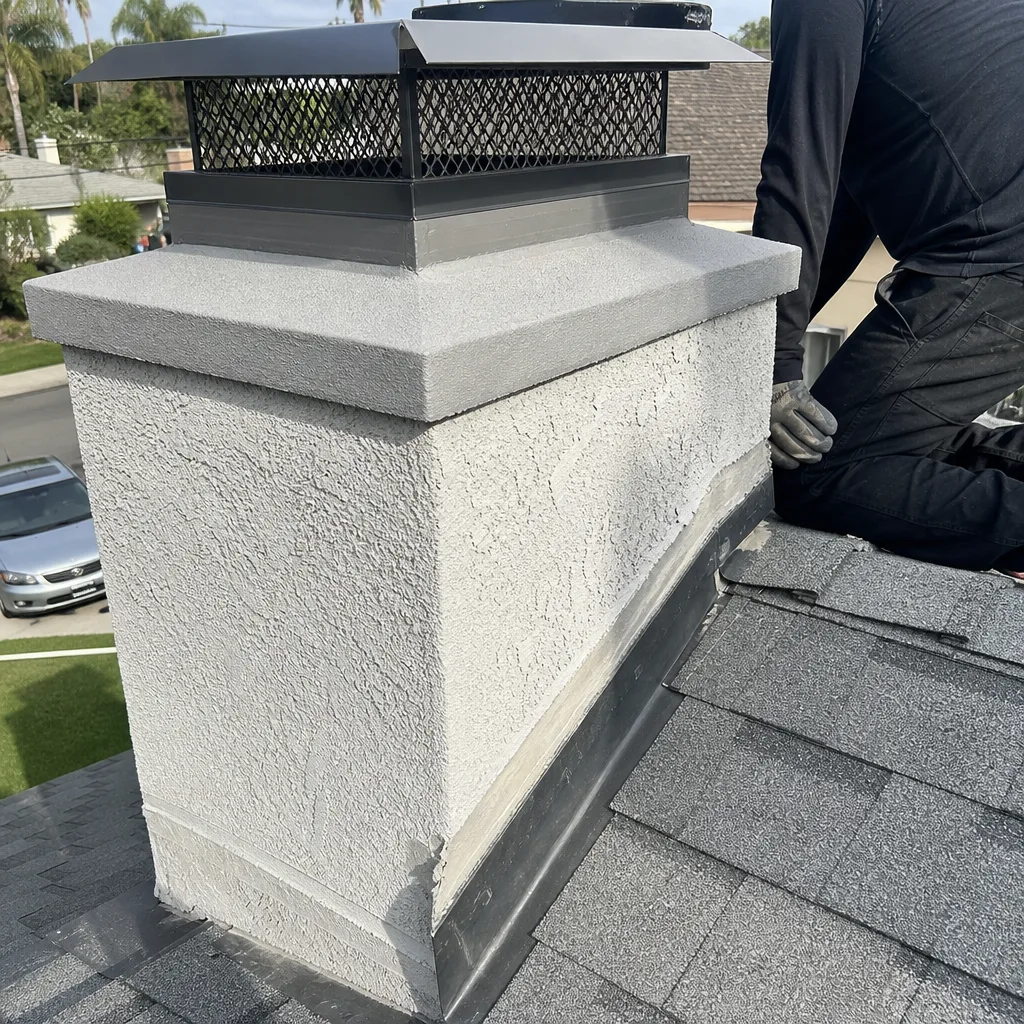
 Caps & crowns
 Flue relining
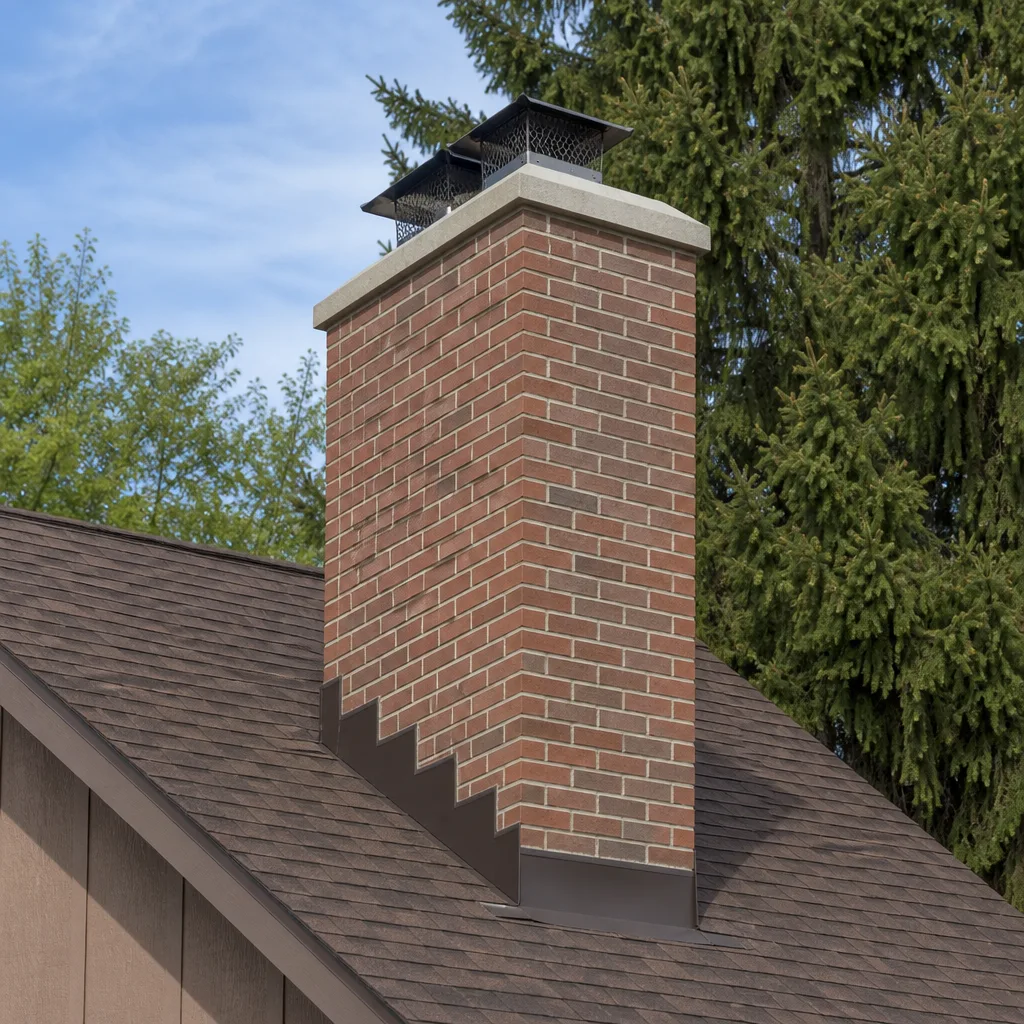 Masonry repair
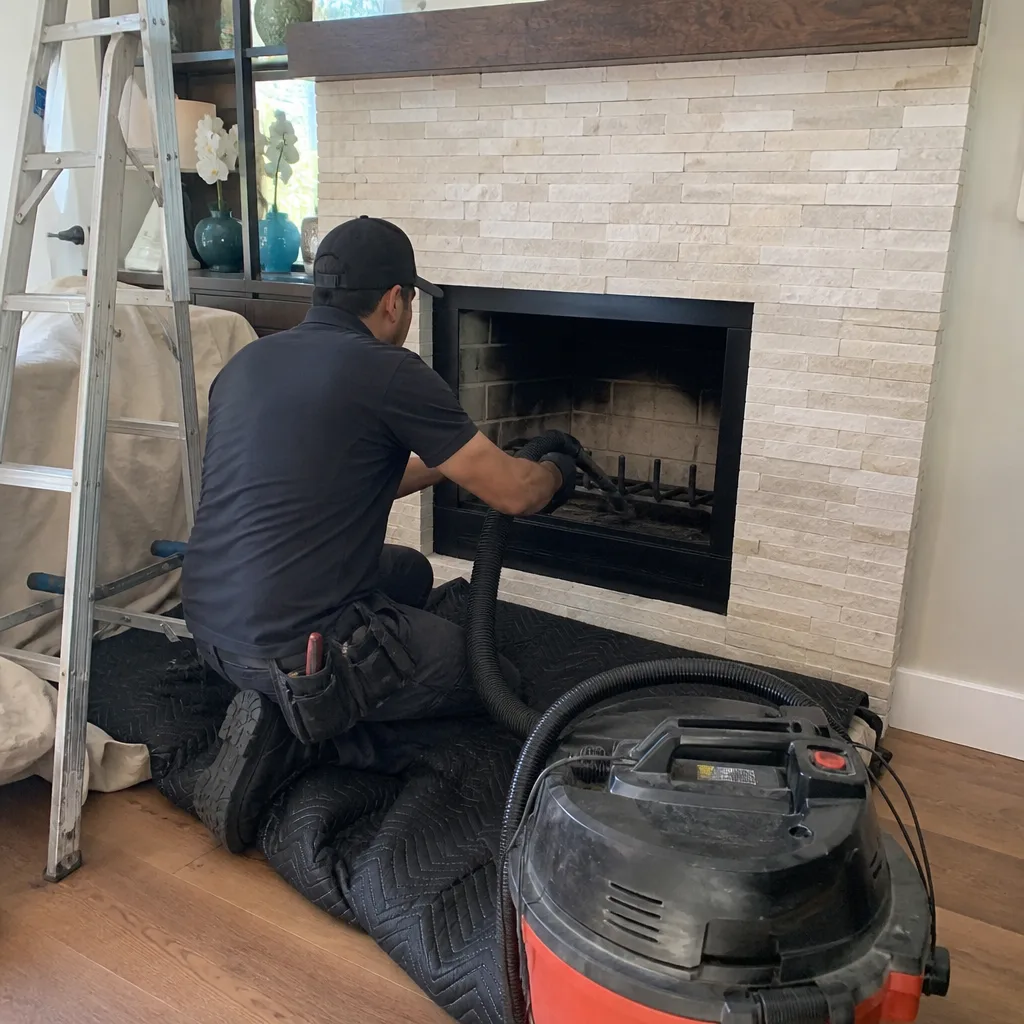
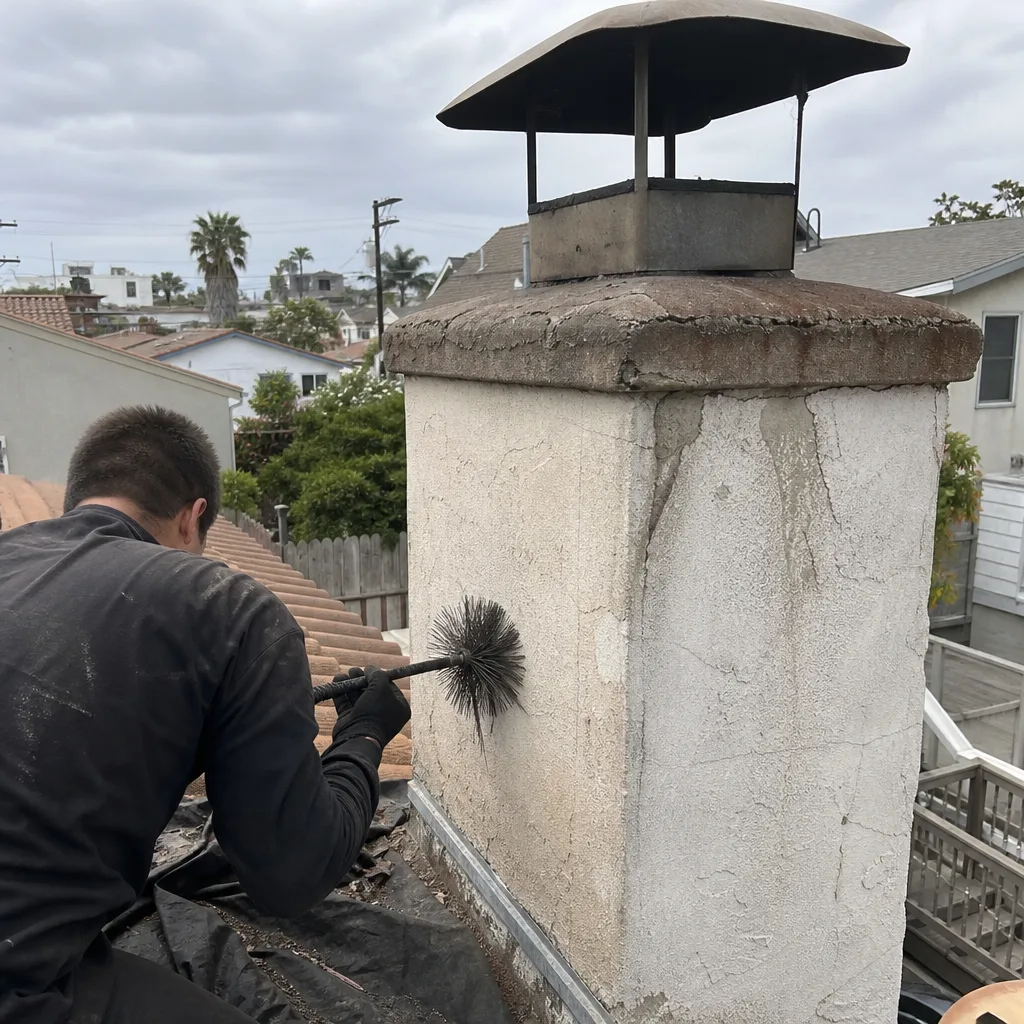
Level 1 sweep and inspection to the NFPA 211 annual standard - flue, crown, cap, and flashing checked and photographed
Chimney sweep logs do not sweep chimneys. They loosen some creosote - which then falls where a brush and vacuum still have to collect it.
Why Pacific Beach Homeowners Choose HeatShield Chimney Cleaning
We provide independent HeatShield chimney cleaning, inspection, and repair in Pacific Beach as a full-service chimney and ventilation company, not a manufacturer-authorized dealer. What sets our HeatShield work apart is simple: we see more HeatShield-coated flues and fireboxes fail from coastal moisture and salt-air exposure than from normal wear, so we approach every job by looking for water intrusion points first and coating problems second. That distinction matters in Pacific Beach, where a blistered firebox or cracked flue sealant almost always traces back to damp marine air, not a bad product. Call (866) 282-7711 for a free estimate on HeatShield service in the coastal neighborhoods we work every week.
HeatShield is a ceramic refractory system used to restore damaged clay tile flues and fireboxes without a full rebuild. It’s a legitimate repair-tier product line, and when installed correctly on a properly prepared surface, it can extend the life of a chimney that would otherwise need thousands of dollars in masonry work. The problem we see in Pacific Beach is rarely the HeatShield material itself. It’s what the material was applied over: spalled brick, glazed creosote, or a damp substrate that never fully dried in the marine layer. That’s the difference between a coating that holds for ten years and one that blisters off in two.
Chuck Galvan, our owner, has been sweeping and repairing chimneys in Pacific Beach, Mission Bay, and the surrounding zip codes for over a decade. He learned the fundamentals of HVAC and building systems through the HVAC/R program at MiraCosta College, then moved specifically into chimney work after a friend’s creosote fire showed him how badly coastal San Diego needed tradespeople who understood both fire safety and salt-air material behavior. That’s the perspective we bring to every HeatShield service call.
Why Trust Chimney Sweep Pacific Beach for Your HeatShield Chimney Cleaning?
Most chimney companies treat a HeatShield-coated flue like any other flue: sweep it, inspect it, move on. We don’t, because we’ve seen what happens when a HeatShield system is serviced without understanding the material’s failure modes. A standard sweeping technique that’s fine for bare clay tile can gouge a Cerfractory coating if the brushes are too aggressive or if the surface has already started to delaminate underneath. We adjust our sweep approach based on what we find during the initial camera inspection, and we photograph everything so you can see what we’re seeing before any work gets recommended.
We work with the same HeatShield product lines that chimney trade suppliers carry: the Cerfractory Flue Sealant, the Resurfacing Compound for fireboxes and flues, and the stainless steel liner system components. When a repair requires parts, we match genuine HeatShield components wherever they’re still manufactured, and we fall back to spec-equivalent quality aftermarket parts only when a line has been discontinued. That’s a deliberate choice. We’d rather tell a Mission Beach or Pacific Beach homeowner that a HeatShield restore doesn’t make sense on their specific chimney than sell a coating job that’s going to fail again in two years because the underlying flue tiles are structurally gone.
We’re a full-service chimney and ventilation contractor, which means the same crew that services your HeatShield flue can also address the dryer vent, the firebox, the crown coating, and the top plate in one visit. You’re not coordinating a sweep company, a liner company, and a dryer vent company for three separate appointments. One call covers the whole scope. Know what’s in your flue before you light your next fire.
Styles & brands we work with
- Sweep & inspection
- Caps & crowns
- Flue relining
- Masonry repair
- Gas fireplace service
Common HeatShield Chimney Cleaning Problems We Fix in Pacific Beach
- Cerfractory Flue Sealant cracking and delaminating. This is the single most common HeatShield failure we see in Pacific Beach. The Cerfractory coating is designed to bond to properly prepared clay tile flue surfaces, but if the tile was never cleaned down to bare ceramic before application (or if there was glazed creosote still in place), the coating can’t form a reliable mechanical bond. Salt-laden marine air gets into the gap, moisture expands and contracts with temperature swings, and within a few years the coating starts peeling away in sheets. The fix usually involves removing the loose material, deep-cleaning the flue down to a sound substrate, and reapplying only after the surface is verified dry and clean.
- HeatShield Resurfacing Compound blistering and flaking on fireboxes. Pacific Beach’s damp marine air works its way through spalled brick behind the refractory layer, and the trapped moisture pushes outward as it vaporizes under heat, separating the coating from the brick underneath. We’ve pulled failed resurfacing jobs down to bare brick on more Mission Beach and Crown Point homes than we can count, only to find the real issue was never the HeatShield material at all. It was water entering through degraded mortar joints behind the firebox. We repoint the spalled masonry, let the substrate fully dry, and then apply the HeatShield resurfacing compound. If you skip the repointing step, you’ll be recoating the same blistered firebox again in two years.
- Stainless steel liner components rusting at the top plate and termination. HeatShield stainless liners are quality metal, but no stainless alloy is immune to years of direct ocean salt spray. The top plate and termination cap are the first places we see surface rust because that’s where salt settles and rain doesn’t fully rinse it off. When we find rust at the cap, the typical fix is replacing the termination and resealing the top plate before the corrosion tracks down the liner body itself. It’s an inexpensive repair if caught early, and it’s exactly the kind of issue that only shows up on coastal chimneys.
- Deteriorated crown coating above a HeatShield-lined flue, masking as liner failure. This one catches people off guard. The crown is the concrete or mortar cap on top of the chimney that sheds water around the flue. When the crown coating breaks down, water tracks down the outside of the liner, pools at the smoke chamber, and eventually shows up as staining, dripping, or weird smells inside the flue. Owners assume the liner failed. In our experience, it’s usually the crown. We fix it with a proper crown coating and waterproofing pass, which is a fraction of the cost of a full reline.
- Creosote glazing underneath an older HeatShield coating. When a HeatShield coating was applied over a flue that had stage-three glazed creosote still embedded in the tile surface, that creosote doesn’t go away. It sits underneath the coating, and over time it can heat up, off-gas, and cause the coating to fail from underneath. This is why we refuse to apply any HeatShield coating over a flue that hasn’t been mechanically swept and camera-verified clean first. If we’re called in to service an existing coating and we find glazed creosote underneath it, the coating has to come off before any new application can bond correctly.
HeatShield Parts & Our Repair-vs-Replace Approach
When we repair a HeatShield chimney in Pacific Beach, we match the repair to genuine HeatShield refractory and liner components wherever they’re still available from trade suppliers. That means Cerfractory Flue Sealant for flue resurfacing, HeatShield Resurfacing Compound for firebox restoration, and genuine HeatShield stainless liner components for top plate and termination work. We’re not interested in substituting hardware-store generics into a system that was engineered to work as a package. When a specific HeatShield line has been discontinued and genuine parts are no longer manufactured, we’ll tell you that plainly and use a spec-equivalent quality aftermarket part instead. We won’t pretend a discontinued part is still available just to make the job sound easier.
The repair-versus-replace decision is something we take seriously, because on the coast the wrong call can cost you thousands. If the flue tiles behind a HeatShield coating are structurally intact and the coating failure is localized, a spot recoat or partial resurfacing is often the honest answer. If the tiles are cracked, collapsed, or so badly deteriorated that no coating could form a sound surface, we say so. We’d rather lose a coating job than send a Bay Ho or Pacific Beach homeowner into burning season with a chimney that’s one fire away from a problem. Call (866) 282-7711 and we’ll put a camera in the flue and show you exactly what we’re seeing.
Our HeatShield Service Process – Step by Step
- 1
Camera inspection and diagnosis. Every HeatShield service call starts with a camera run through the flue to document the condition of the coating, the underlying tile, the firebox, the crown, and the top plate. We photograph everything and walk you through what we see before any recommendation is made.
- 2
Surface preparation. For any coating or resurfacing work, the existing surface has to be sound, clean, and dry. That means mechanical cleaning to remove loose material, creosote, and failing coating. If we find moisture behind the firebox or under the coating, we stop and address the water intrusion point first. No coating cures properly on a damp substrate in Pacific Beach.
- 3
HeatShield application or part replacement. We apply the appropriate HeatShield Cerfractory or Resurfacing Compound per the manufacturer’s specifications, or we install the required HeatShield stainless liner components. If other brands are a better fit for a specific application, we’ll tell you that too.
- 4
Curing and verification. HeatShield refractory products need proper cure time and conditions. Coastal humidity extends cure windows, and we schedule accordingly. We don’t rush a coating job to make a calendar work.
- 5
Crown coating and waterproofing check. Since Pacific Beach moisture is the primary killer of HeatShield surfaces, every coating job ends with a crown coating and waterproofing pass. If the crown isn’t shedding water, nothing we put on the flue will last.
See the difference
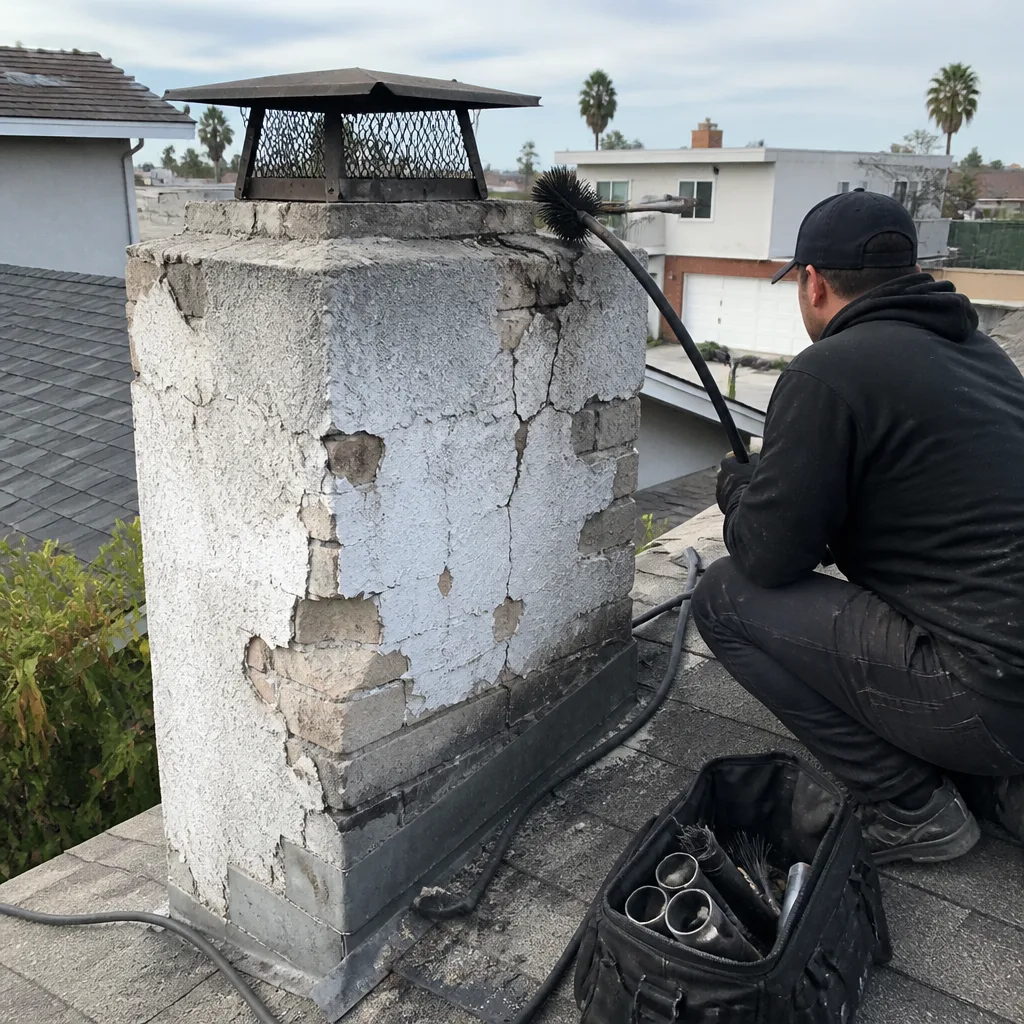 Before
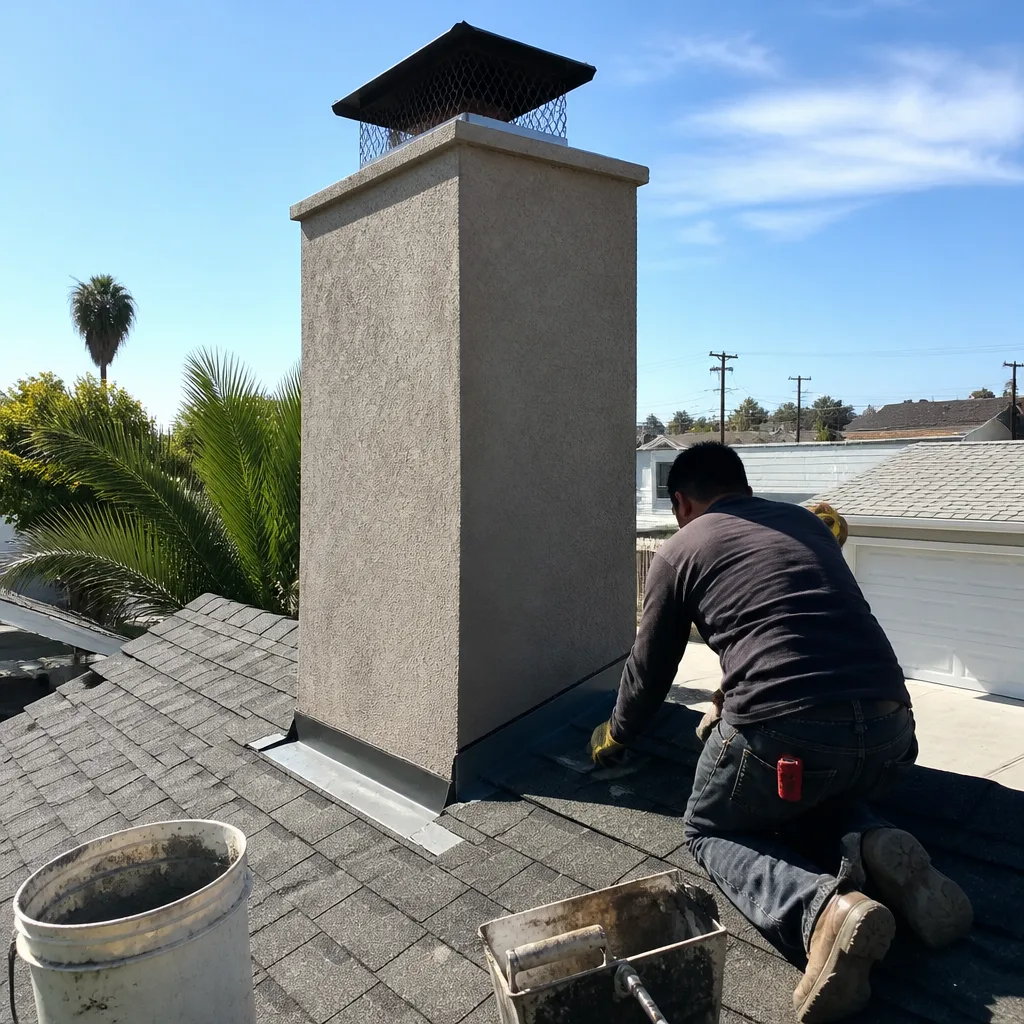 After
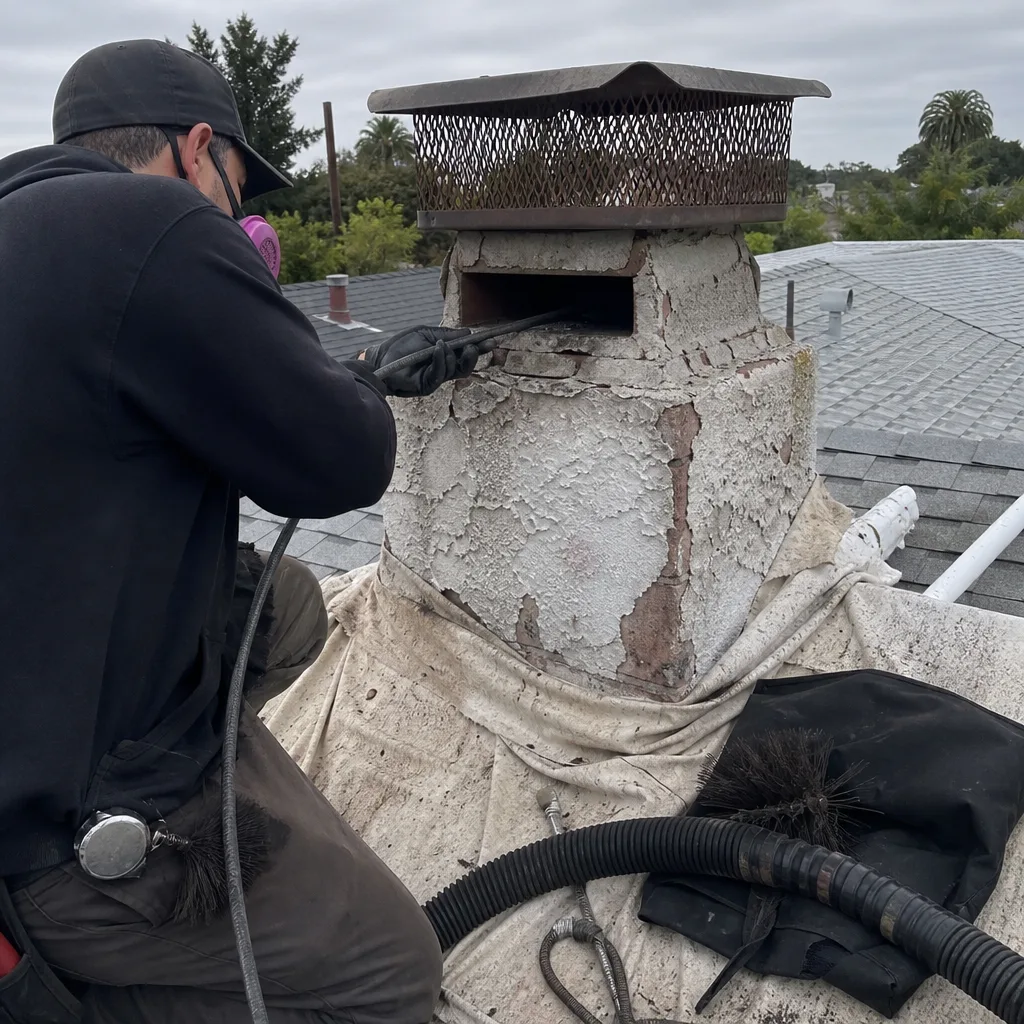 Before
 After
 Before
 After
HeatShield Products We Service & Install in Pacific Beach
Our technicians work on the full HeatShield product range that applies to residential chimneys in Pacific Beach: the Cerfractory Flue Sealant used for flue resurfacing, the Resurfacing Compound for firebox and flue restoration, the stainless steel chimney liner system, and the firebox rebuild components that go into a proper masonry repair. We keep commonly needed HeatShield repair materials on hand in our local service vehicles so most Pacific Beach jobs don’t wait on a supply-house order. For larger jobs requiring specific HeatShield system components, we order from the same trade suppliers that ship to chimney contractors nationwide. We’ll tell you the lead time before we start, not after.
We Also Service These Brands
HeatShield is one manufacturer in our toolkit, not the only one. We also work with DuraFlex flexible liner systems for full reline work and heating appliance conversions, and Gelco chimney products for waterproofing and masonry repair applications. Some Pacific Beach chimneys need a HeatShield coating. Some need a full DuraFlex liner. Some need a Gelco waterproofing pass and nothing else. We’ll recommend what the chimney actually needs, not what’s easiest for us to sell.
FAQs – HeatShield Chimney Cleaning Service in Pacific Beach
Is Chimney Sweep Pacific Beach authorized by HeatShield?
No. We are an independent HeatShield service provider, not an authorized dealer or manufacturer affiliate. We source HeatShield products through the same trade-supplier channels that professional chimney contractors use nationwide, and our technicians have years of hands-on experience installing and repairing HeatShield systems in coastal Southern California. We’ll tell you exactly which parts we’re using and where they come from.
Do you use genuine HeatShield/OEM parts for repairs?
Yes, wherever the genuine part is still manufactured and available through our trade suppliers. We match genuine HeatShield refractory and liner components to the repair whenever possible, including Cerfractory Flue Sealant and Resurfacing Compound. When a specific HeatShield line has been discontinued, we’ll tell you and use a spec-equivalent quality aftermarket part. We don’t substitute without saying so first.
Does my HeatShield Cerfractory flue coating need to be removed before a new sweep?
Only if the coating is already failing. A standard chimney sweep with appropriately sized brushes can safely clean a HeatShield-coated flue without removing the coating, as long as the coating is still properly bonded. Our camera inspection tells us whether the coating is sound or already delaminating. If it’s failing, we’ll remove the loose material during the sweep and discuss spot recoating with you before any recovery work starts. Call (866) 282-7711 if you’re not sure what condition your coating is in.
Why is my HeatShield firebox resurfacing flaking off after a couple of years?
In Pacific Beach, the cause is almost always moisture behind the refractory. Damp marine air penetrates spalled brick or deteriorated mortar joints behind the firebox, and when the fireplace heats up, that water vaporizes and pushes the coating off from underneath. The fix is to remove the failed coating, repoint any spalled masonry behind it, let the substrate fully dry, and then reapply. If you just recoat over the moisture source, the same failure comes back in the same timeframe. We’ve pulled blistered resurfacing jobs down to bare brick on coastal homes and found exactly this pattern every time.
Can you service a HeatShield stainless liner that’s rusting near the cap?
Yes. Surface rust at the termination cap and top plate is the most common coastal issue we see on HeatShield stainless liner systems, and it’s usually repairable by replacing the termination and resealing the top plate. The key is catching it early before the corrosion tracks down the liner body. During a routine sweep, we inspect the entire liner path from the appliance connection to the termination, and we’ll flag any rust or moisture staining we find at the top. If you’re noticing rust or staining near the cap, call (866) 282-7711 for an inspection.
How much does HeatShield chimney cleaning cost in Pacific Beach?
HeatShield chimney cleaning in Pacific Beach typically runs $175 to $350 for a standard sweep and camera inspection, depending on flue height, accessibility, and whether the coating requires any removal or repair work. Spot recoating or resurfacing work starts around $400 to $800 for localized repairs, and a full HeatShield flue resurfacing project usually falls in the $2,500 to $5,500 range. Every job is different, which is why we never quote over the phone without seeing the chimney. Call (866) 282-7711 for a free estimate, and we’ll put a camera in the flue before we put a number in front of you.
Book Your HeatShield Service in Pacific Beach, CA
If you have a HeatShield-coated flue or firebox in Pacific Beach and you’re not sure what condition it’s in, call (866) 282-7711. We’ll schedule a camera inspection, show you exactly what we see, and give you a straight recommendation on whether a sweep, a repair, or a full replacement is the right call. Free estimates, no pressure, and no work recommended without photo evidence you can see for yourself.
Written by Chuck Galvan, Owner at Chimney Sweep Pacific Beach, serving Pacific Beach, CA since 2013.